User-Friendly Controls and Smart Monitoring Optimize Performance and Maintenance
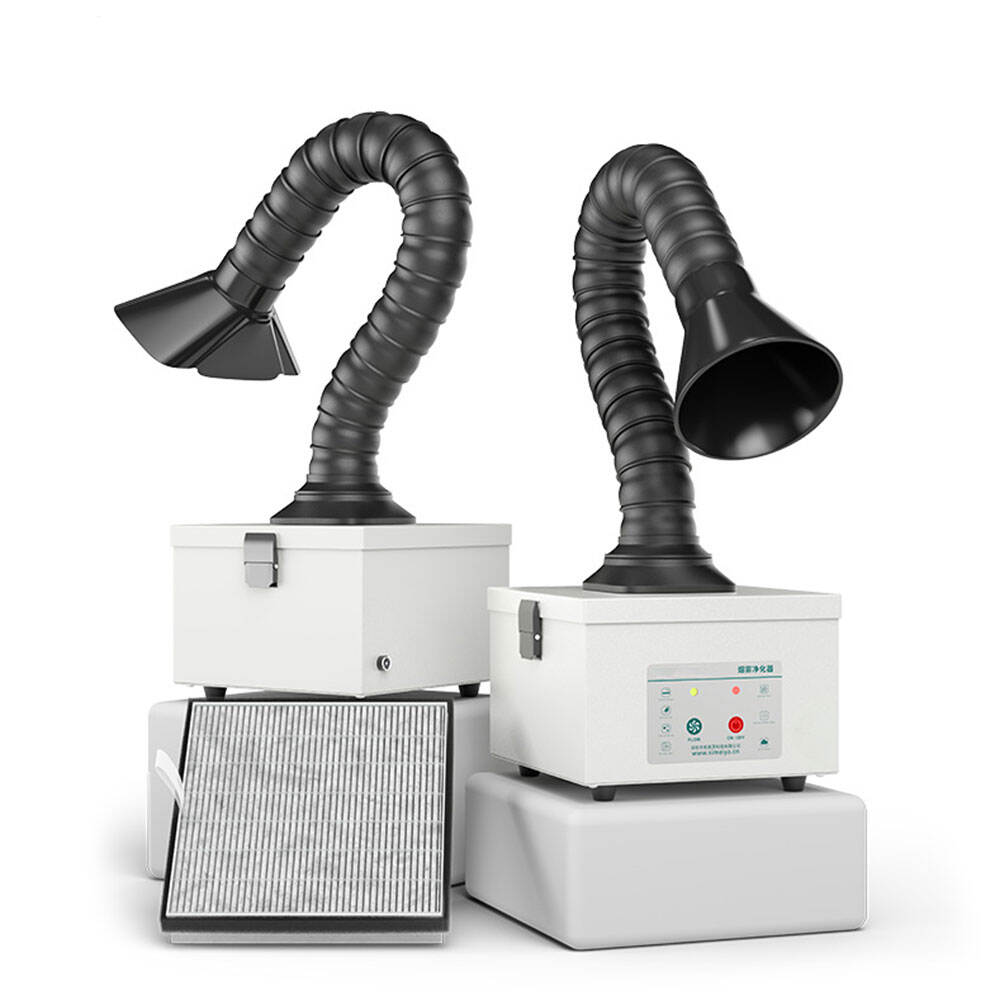
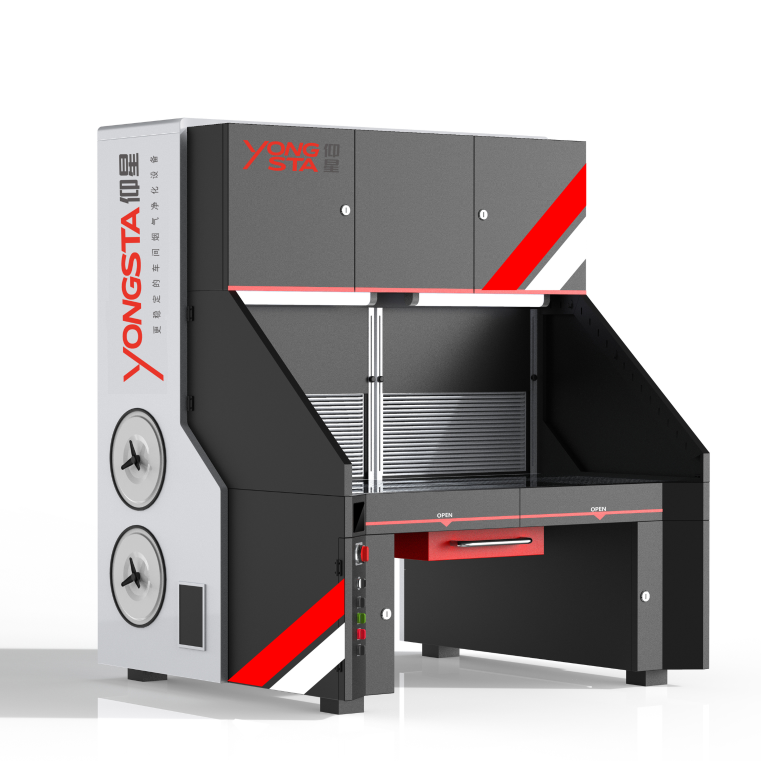
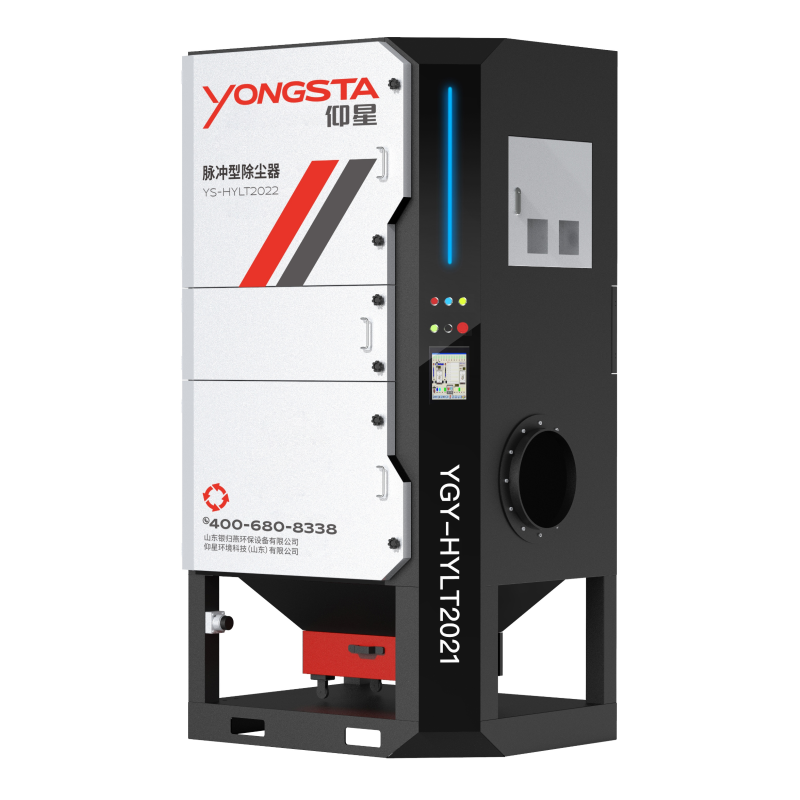
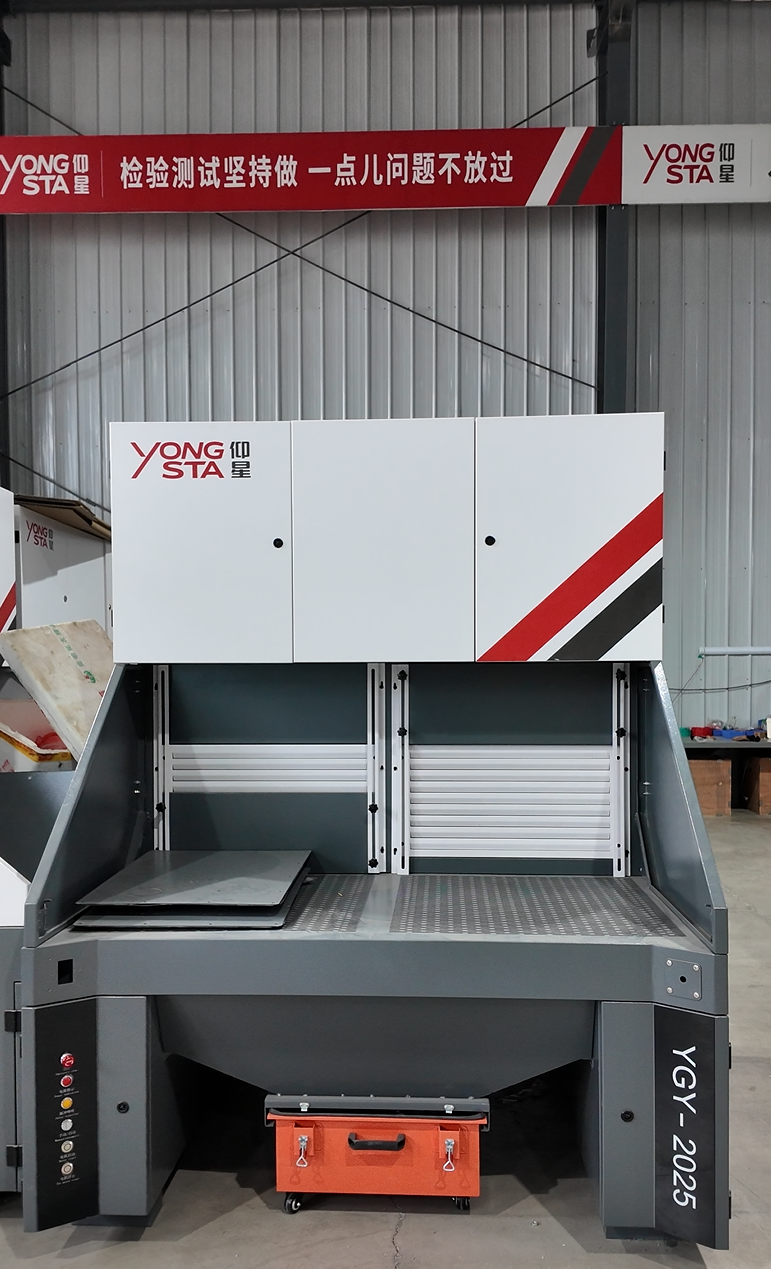
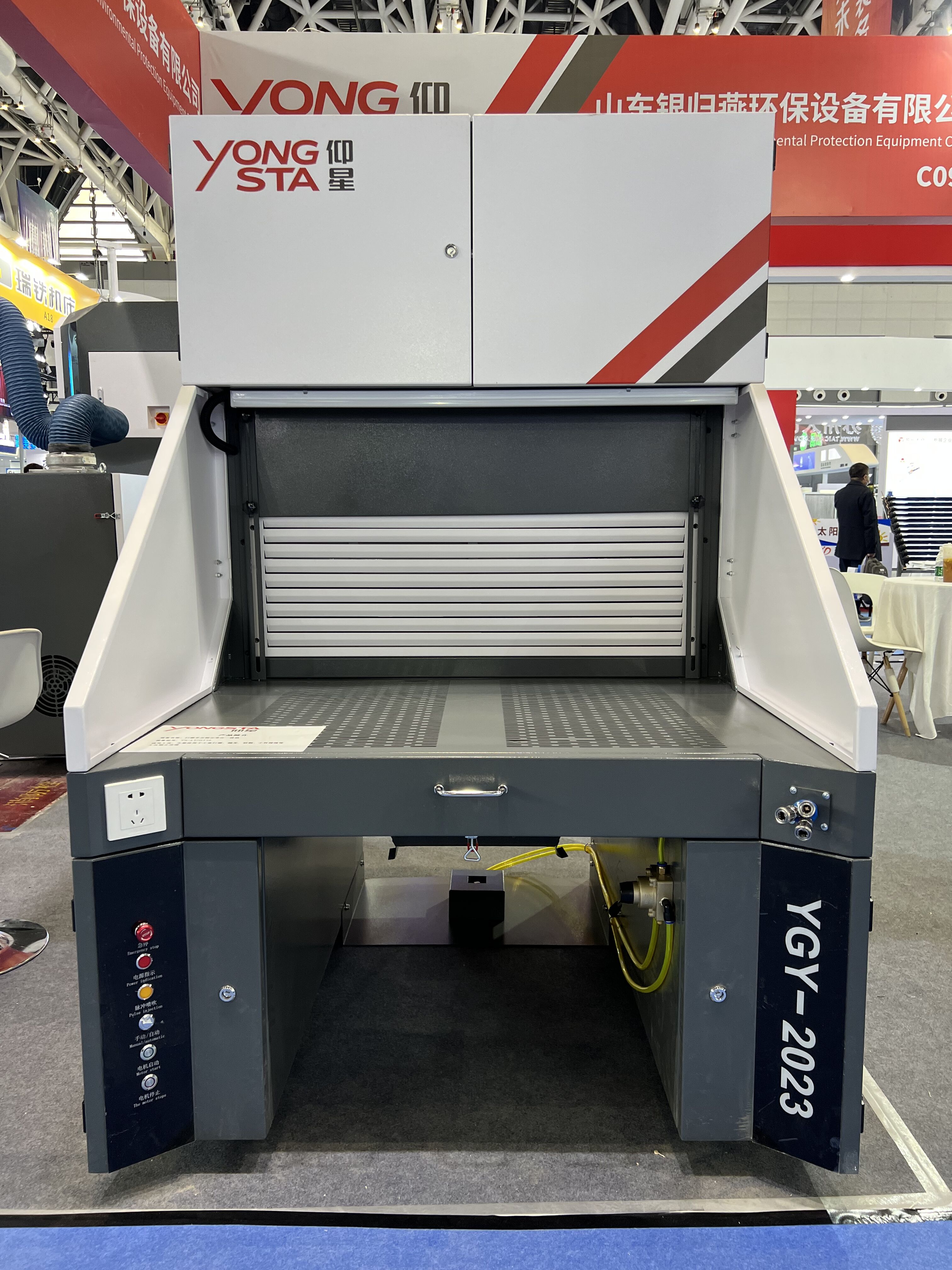
The best welding fume extractor incorporates intuitive control interfaces that empower operators to adjust performance parameters without technical expertise, typically featuring clearly labeled buttons, rotary dials, or touchscreen displays that show operating status at a glance. Variable speed controls allow airflow adjustment matching welding intensity, with lower settings for light TIG work conserving energy and reducing noise, while maximum power handles heavy MIG welding or multiple simultaneous extraction points. Automatic mode options detect welding activity through current sensors or arc detection, ramping airflow up when welding begins and reducing to standby levels during idle periods, significantly reducing energy consumption over manual constant-speed operation. The best welding fume extractor includes digital displays showing real-time airflow rates, filter pressure drop, and cumulative operating hours, providing transparency into system performance and maintenance needs. Filter life indicators calculate remaining capacity based on actual usage patterns rather than simple hour counters, preventing premature replacements while ensuring timely service before efficiency drops. Audible and visual alarms alert operators when filters require attention, preventing continued operation with clogged media that reduces protection and strains motors. Remote monitoring capabilities in advanced models transmit performance data to facility management systems, enabling centralized oversight of multiple extractors across large facilities and predictive maintenance scheduling. The best welding fume extractor features accessible service panels that open without tools, allowing quick filter inspections and replacements that minimize downtime. Clear labeling and color-coding guide maintenance procedures, reducing errors and enabling any trained worker to perform routine service. Self-diagnostic systems identify common issues like blocked ducting, motor problems, or electrical faults, displaying error codes that simplify troubleshooting and reduce repair time. Safety interlocks prevent operation with access panels open or filters improperly installed, protecting workers and equipment from damage. The best welding fume extractor incorporates thermal protection that automatically shuts down motors before overheating occurs, preventing burnout and extending equipment life. Hour meters track runtime for maintenance scheduling, while some systems log detailed operational history for compliance documentation and performance analysis. Programmable settings allow supervisors to establish optimal parameters that operators cannot override, ensuring consistent performance across shifts and preventing misuse. The best welding fume extractor includes comprehensive documentation with clear maintenance schedules, troubleshooting guides, and parts diagrams that facilitate long-term ownership. Manufacturer support through technical hotlines, online resources, and readily available replacement parts ensures minimal downtime when service is needed. Modular component design allows individual part replacement rather than entire system disposal, reducing long-term costs and environmental impact while extending useful life beyond typical equipment lifecycles.
 ×
×



 EN
EN