Industrial Dust Collection Equipment - Advanced Filtration Systems for Cleaner, Safer Workplaces

Get a Free Quote

Our representative will contact you soon.
Email
Name
Company Name
Message
0/1000

dust collection equipment

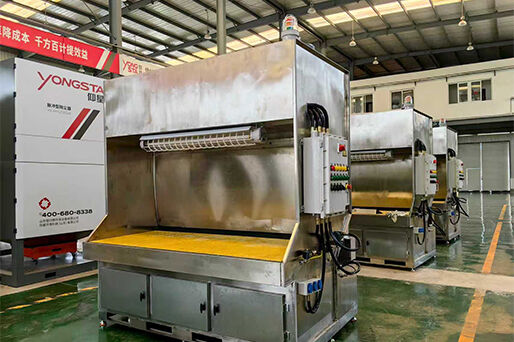
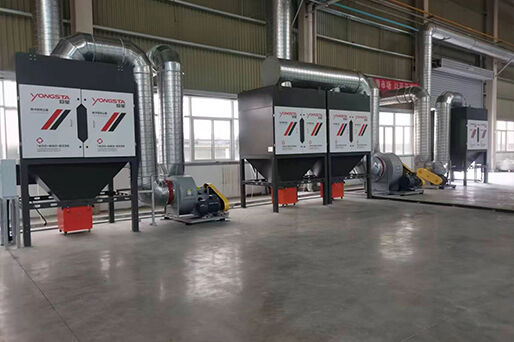
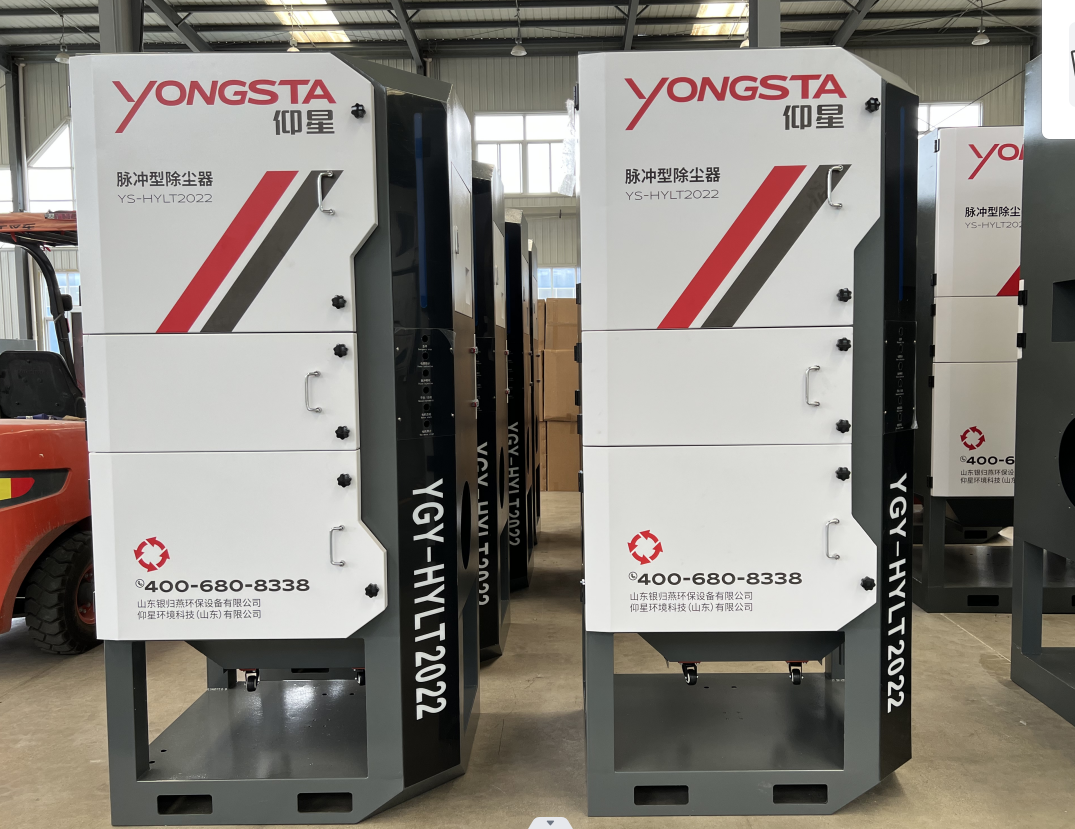
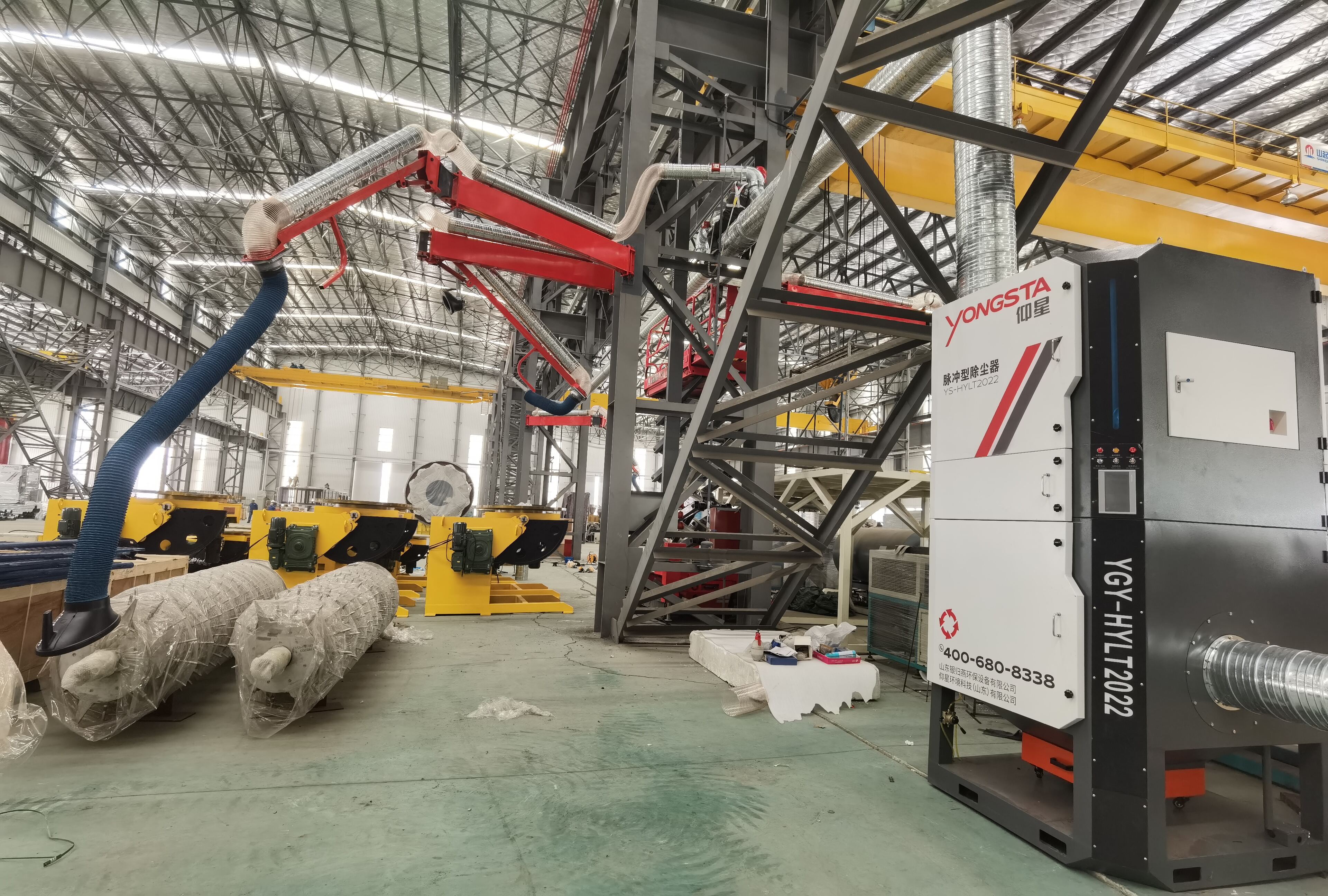
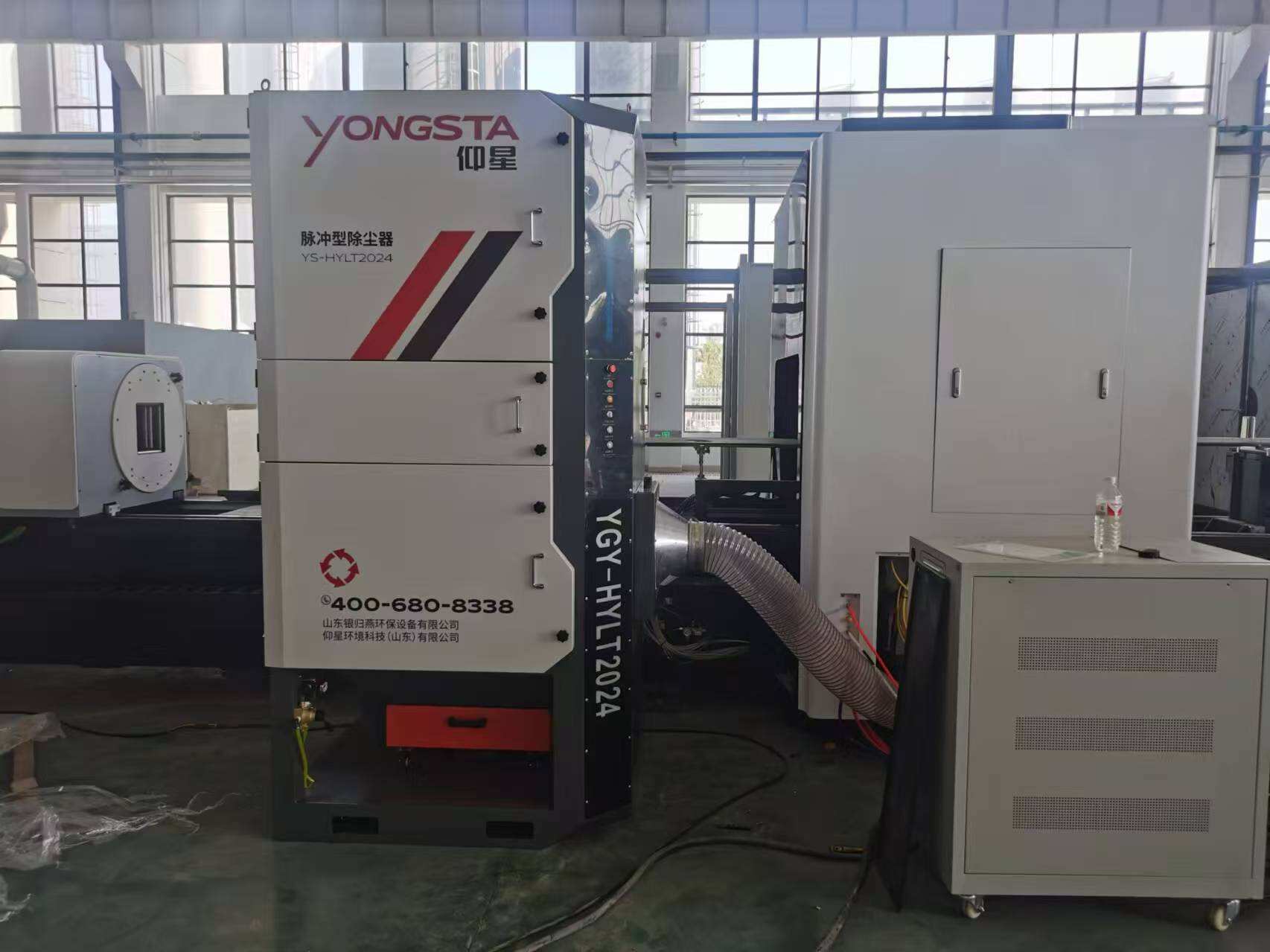
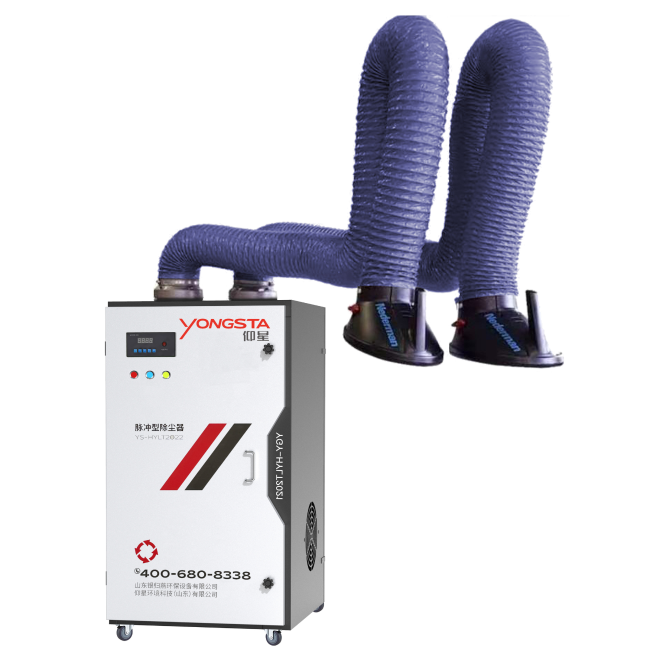
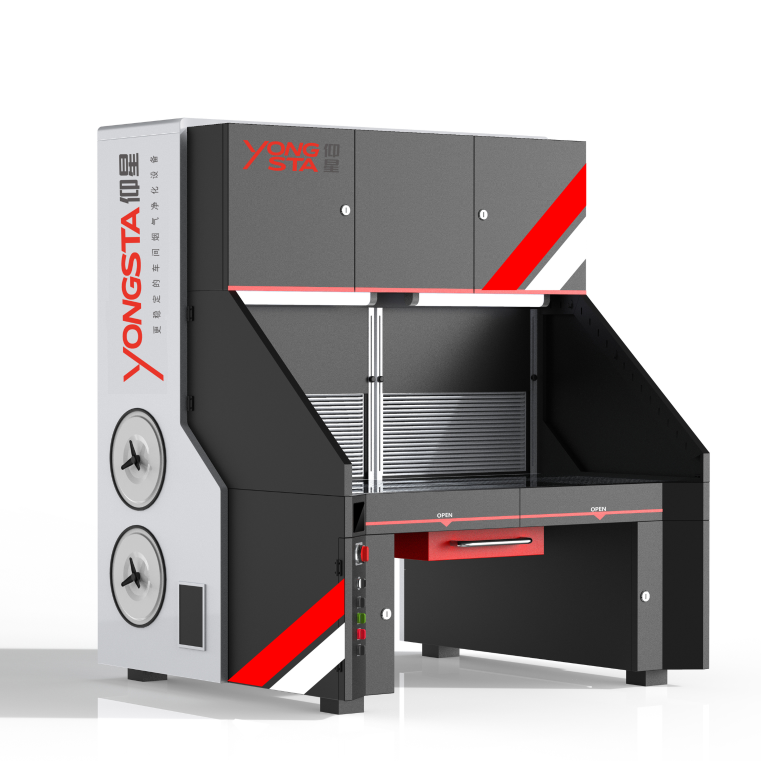
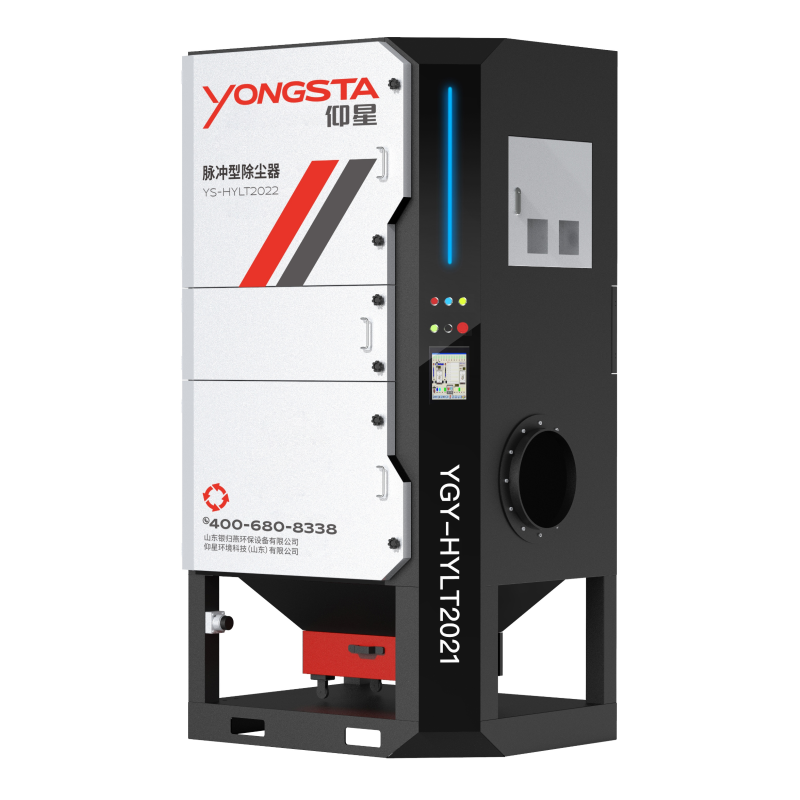
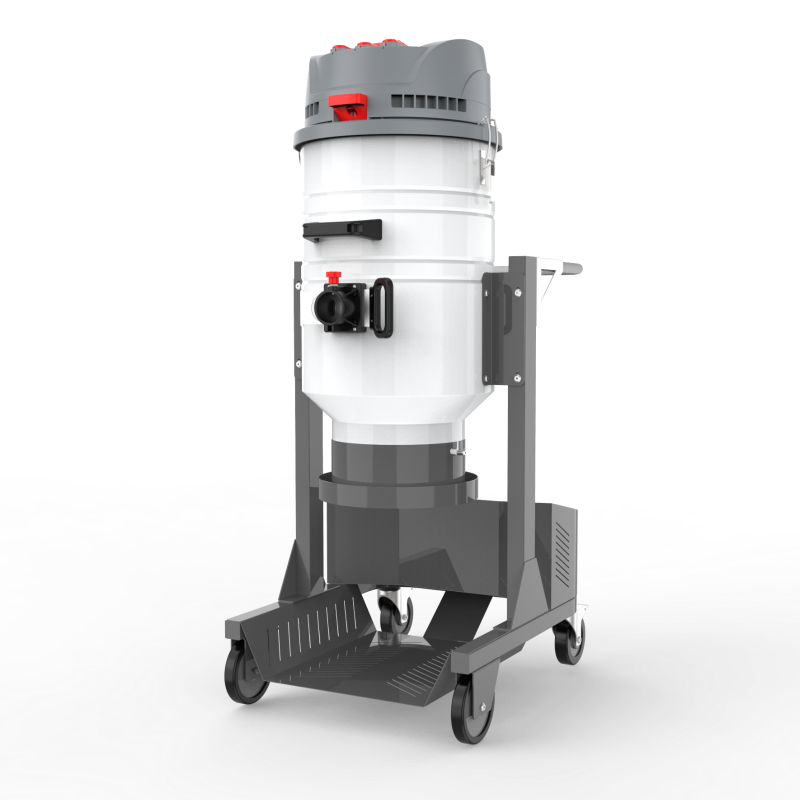
Dust collection equipment represents a critical investment for industrial facilities seeking to maintain clean, safe, and compliant work environments. These sophisticated systems capture airborne particles, contaminants, and debris generated during manufacturing, processing, and material handling operations. Modern dust collection equipment utilizes advanced filtration technology to remove particulates from the air before they can settle on surfaces, enter ventilation systems, or pose health risks to workers. The primary function of dust collection equipment centers on extracting contaminated air from production areas, filtering out harmful particles, and returning clean air to the workspace or exhausting it safely outdoors. This process protects both personnel and equipment while ensuring regulatory compliance with occupational safety standards. Technological features of contemporary dust collection equipment include high-efficiency particulate air filters, automated cleaning mechanisms, variable frequency drives for energy optimization, and intelligent monitoring systems that track performance metrics in real time. These systems can be configured as centralized units serving multiple collection points or as standalone portable units for localized applications. The equipment typically consists of hoods or capture points, ductwork for air transport, the filtration unit itself, and fans or blowers that generate the necessary airflow. Applications for dust collection equipment span numerous industries including woodworking, metalworking, pharmaceutical manufacturing, food processing, chemical production, and mining operations. Each application demands specific filtration capabilities based on particle size, material characteristics, and volume of contaminants generated. Woodworking facilities rely on dust collection equipment to capture sawdust and wood chips, while metalworking operations use these systems to control metal fumes, grinding dust, and welding smoke. Pharmaceutical and food processing plants require dust collection equipment that meets stringent hygiene standards and prevents cross-contamination. The versatility of modern dust collection equipment allows customization for virtually any industrial dust control challenge, making it an indispensable component of responsible facility management and worker protection programs.

New Products

Investing in quality dust collection equipment delivers substantial practical benefits that directly impact your bottom line and operational efficiency. First and foremost, these systems dramatically improve workplace air quality, creating a healthier environment for your employees. When workers breathe cleaner air, they experience fewer respiratory issues, reduced allergy symptoms, and lower rates of occupational illness. This translates to decreased absenteeism, higher productivity, and reduced healthcare costs for your organization. Beyond health benefits, dust collection equipment protects your valuable machinery and production equipment from the damaging effects of dust accumulation. Particulate buildup causes premature wear on moving parts, clogs ventilation systems, and can lead to costly equipment failures. By removing contaminants at the source, you extend the service life of your capital investments and reduce maintenance expenses. The financial advantages continue with improved product quality, as dust collection equipment prevents contamination of finished goods and raw materials. In industries where cleanliness is paramount, such as electronics manufacturing or food production, effective dust control directly correlates with reduced defect rates and fewer customer complaints. Regulatory compliance represents another significant advantage, as dust collection equipment helps you meet OSHA standards and environmental regulations without the stress of potential fines or facility shutdowns. Modern systems also contribute to energy efficiency through smart controls that adjust airflow based on actual demand, reducing electricity consumption compared to older constant-speed systems. The noise reduction achieved by properly designed dust collection equipment creates a more comfortable work environment, improving employee morale and communication on the production floor. Fire and explosion prevention is a critical but often overlooked advantage, particularly in facilities handling combustible dusts like wood, metal, or grain. Dust collection equipment removes these hazardous materials before they can accumulate to dangerous concentrations. Housekeeping becomes significantly easier and less time-consuming when dust collection equipment captures particles at the source rather than allowing them to settle throughout your facility. This means your cleaning staff can focus on value-added tasks rather than constant sweeping and wiping. The professional appearance of a clean facility also impresses customers, inspectors, and potential business partners who visit your operation. Finally, dust collection equipment represents a sound long-term investment that pays dividends through operational savings, risk reduction, and enhanced competitiveness in your market.

Tips And Tricks

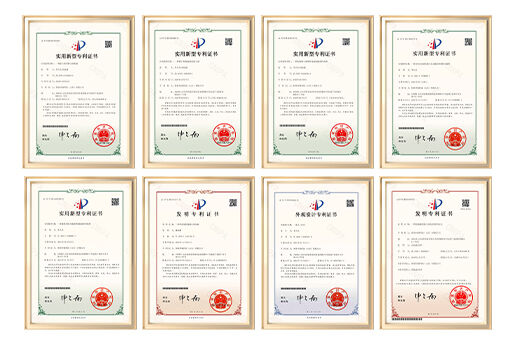
Yongsta R&D Team Wins 3 Dust Removal Technology Patents, Leading Industry Innovation

09

Apr

Yongsta R&D Team Wins 3 Dust Removal Technology Patents, Leading Industry Innovation

View More
Yongsta Cooperates with TUV for ATEX Explosion-Proof Certification, Explosion-Proof Dust Collector to Be Launched Soon

09

Apr

Yongsta Cooperates with TUV for ATEX Explosion-Proof Certification, Explosion-Proof Dust Collector to Be Launched Soon

View More
Empowering Benchmark Manufacturing! Yongsta Cartridge Dust Collector Aids Siemens Transformer China Factory's Dust Removal Renovation and Gains High Recognition

09

Apr

Empowering Benchmark Manufacturing! Yongsta Cartridge Dust Collector Aids Siemens Transformer China Factory's Dust Removal Renovation and Gains High Recognition

View More

Get a Free Quote

Our representative will contact you soon.
Email
Name
Company Name
Message
0/1000

dust collection equipment

Advanced Filtration Technology That Captures Even the Smallest Particles

Advanced Filtration Technology That Captures Even the Smallest Particles

The filtration capabilities of modern dust collection equipment have reached unprecedented levels of efficiency, capturing particles as small as 0.3 microns with effectiveness ratings exceeding 99.9 percent. This exceptional performance stems from innovative filter media designs that combine multiple layers of specialized materials, each targeting different particle size ranges. The outermost layer captures larger particles through mechanical interception, while inner layers utilize electrostatic attraction and diffusion to trap submicron contaminants that would otherwise pass through conventional filters. This multi-stage approach ensures comprehensive particle removal across the entire spectrum of industrial dusts, from coarse sawdust to fine metal fumes. The filter cartridges used in premium dust collection equipment feature pleated designs that maximize surface area within a compact footprint, providing superior dust-holding capacity without sacrificing airflow. This means longer intervals between filter changes, reduced maintenance costs, and consistent performance throughout the filter's service life. Advanced filter materials resist moisture, chemicals, and temperature extremes, maintaining their structural integrity and filtration efficiency even in challenging industrial environments. The self-cleaning mechanisms integrated into modern dust collection equipment represent a significant technological advancement, using precisely timed pulses of compressed air to dislodge accumulated dust from filter surfaces. This automated cleaning process occurs while the system continues operating, eliminating downtime and ensuring continuous protection for your workers and facility. The dislodged dust falls into collection hoppers or drums for easy disposal, streamlining waste management procedures. Intelligent monitoring systems track differential pressure across filters, alerting operators when cleaning cycles need adjustment or filters require replacement. This predictive maintenance approach prevents unexpected system failures and optimizes filter life. The filtration technology in dust collection equipment also addresses the challenge of sticky or fibrous materials that tend to blind conventional filters, incorporating specialized coatings and surface treatments that promote cake release during cleaning cycles. For applications involving hazardous or toxic dusts, HEPA-grade filtration options provide the ultimate protection, meeting the stringent requirements of pharmaceutical, healthcare, and nuclear industries. The investment in advanced filtration technology pays dividends through superior air quality, regulatory compliance, and the peace of mind that comes from knowing your dust collection equipment provides maximum protection for everyone in your facility.
Flexible Configuration Options to Match Your Specific Operational Needs

Flexible Configuration Options to Match Your Specific Operational Needs

One of the most valuable aspects of contemporary dust collection equipment is its remarkable adaptability to diverse industrial applications and facility layouts. Manufacturers recognize that no two operations face identical dust control challenges, which is why modern systems offer extensive configuration flexibility. You can select from centralized systems that serve multiple workstations through a network of ductwork, or choose portable units that provide localized collection exactly where needed. Centralized dust collection equipment excels in facilities with numerous dust-generating processes, consolidating filtration into a single high-capacity unit that reduces equipment costs and simplifies maintenance. These systems can be expanded incrementally as your operation grows, adding new collection points without replacing the entire infrastructure. Conversely, portable dust collection equipment offers unmatched versatility for job shops, maintenance operations, or facilities where production layouts change frequently. These mobile units can be repositioned quickly to address evolving needs without permanent installation requirements. Modular design principles allow you to customize dust collection equipment with the exact combination of features your application demands. Choose from various fan sizes and motor configurations to achieve the precise airflow and static pressure needed for your ductwork design and collection point requirements. Filter options range from standard efficiency cartridges for general dust control to specialized media for fine particulates, high-temperature applications, or moisture-laden environments. Explosion-proof configurations are available for facilities handling combustible dusts, incorporating spark detection, suppression systems, and construction materials that meet NFPA standards. The control systems for dust collection equipment can be as simple as manual on-off switches or as sophisticated as fully automated platforms that integrate with your facility's building management system. Variable frequency drives enable precise airflow adjustment, reducing energy consumption during periods of lower demand while maintaining optimal collection efficiency when production intensifies. Smart sensors monitor system performance continuously, detecting issues like filter loading, fan imbalance, or airflow restrictions before they impact operations. Remote monitoring capabilities allow maintenance personnel to track dust collection equipment performance from anywhere, receiving alerts on mobile devices when attention is required. The ductwork components of dust collection equipment also offer configuration flexibility, with options for round or rectangular profiles, various materials including galvanized steel, stainless steel, or plastic, and connection methods suited to your installation preferences. Blast gates and dampers provide manual or automated control over airflow distribution to different collection points, ensuring balanced performance across your entire system. This comprehensive flexibility means dust collection equipment can be precisely tailored to your unique requirements, delivering optimal performance without paying for unnecessary features or capacity.
Long-Term Cost Savings Through Energy Efficiency and Reduced Maintenance

Long-Term Cost Savings Through Energy Efficiency and Reduced Maintenance

The economic benefits of modern dust collection equipment extend far beyond the initial purchase price, delivering substantial cost savings throughout the system's operational lifetime. Energy efficiency stands as a primary driver of these savings, with contemporary designs consuming significantly less electricity than older constant-speed systems. Variable frequency drives adjust motor speed dynamically based on actual demand, reducing power consumption by up to 50 percent during periods of lower production activity. This intelligent power management translates directly to lower utility bills month after month, year after year. The energy savings become even more impressive when you consider that dust collection equipment typically operates continuously during production shifts, making efficiency improvements particularly impactful. Advanced fan designs optimize airflow patterns to minimize turbulence and pressure losses, extracting maximum performance from every watt of electricity consumed. The reduced energy consumption also decreases your facility's carbon footprint, supporting corporate sustainability initiatives and potentially qualifying for utility rebates or tax incentives. Maintenance cost reduction represents another significant economic advantage of quality dust collection equipment. The automated filter cleaning systems eliminate the labor expense and production disruptions associated with manual filter maintenance, while extending filter service life by preventing excessive dust cake buildup. Durable construction using corrosion-resistant materials ensures years of reliable operation with minimal component replacement. Sealed housings and precision-balanced fans reduce wear on bearings and mechanical components, decreasing the frequency of repairs. The diagnostic capabilities built into modern dust collection equipment enable predictive maintenance strategies that address potential issues before they cause failures, avoiding the premium costs associated with emergency repairs and unplanned downtime. Simplified access panels and tool-free filter replacement procedures minimize the time maintenance personnel spend servicing dust collection equipment, allowing them to focus on other facility needs. The improved air quality provided by effective dust collection equipment reduces cleaning requirements throughout your facility, cutting janitorial costs and the expense of cleaning supplies. Equipment protected from dust accumulation requires less frequent servicing and experiences fewer breakdowns, reducing maintenance costs across your entire operation. Product quality improvements resulting from better contamination control decrease scrap rates and rework expenses, directly improving manufacturing efficiency. The fire prevention capabilities of dust collection equipment eliminate the catastrophic costs associated with dust-related fires or explosions, protecting not only your physical assets but also your business continuity and reputation. Insurance providers often recognize the risk reduction achieved through proper dust collection equipment installation, potentially offering premium discounts for facilities with comprehensive dust control systems. The cumulative effect of these cost savings typically results in payback periods of just a few years, after which the dust collection equipment continues generating positive returns on investment. When evaluating dust collection equipment options, forward-thinking facility managers look beyond initial capital costs to consider total cost of ownership, recognizing that premium systems with superior efficiency and durability deliver the best long-term value.

Get a Free Quote

Our representative will contact you soon.
Email
Name
Company Name
Message
0/1000
email goToTop