Professional Welding Fume Removal Systems - Protect Workers & Ensure Compliance

Get a Free Quote

Our representative will contact you soon.
Email
Name
Company Name
Message
0/1000

welding fume removal

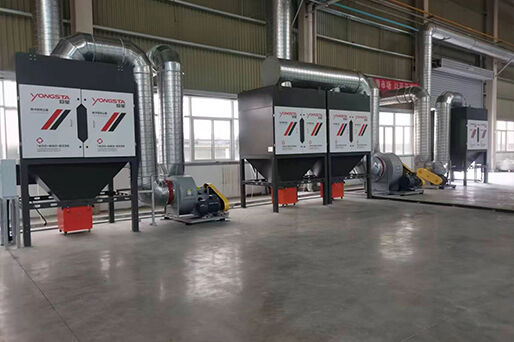
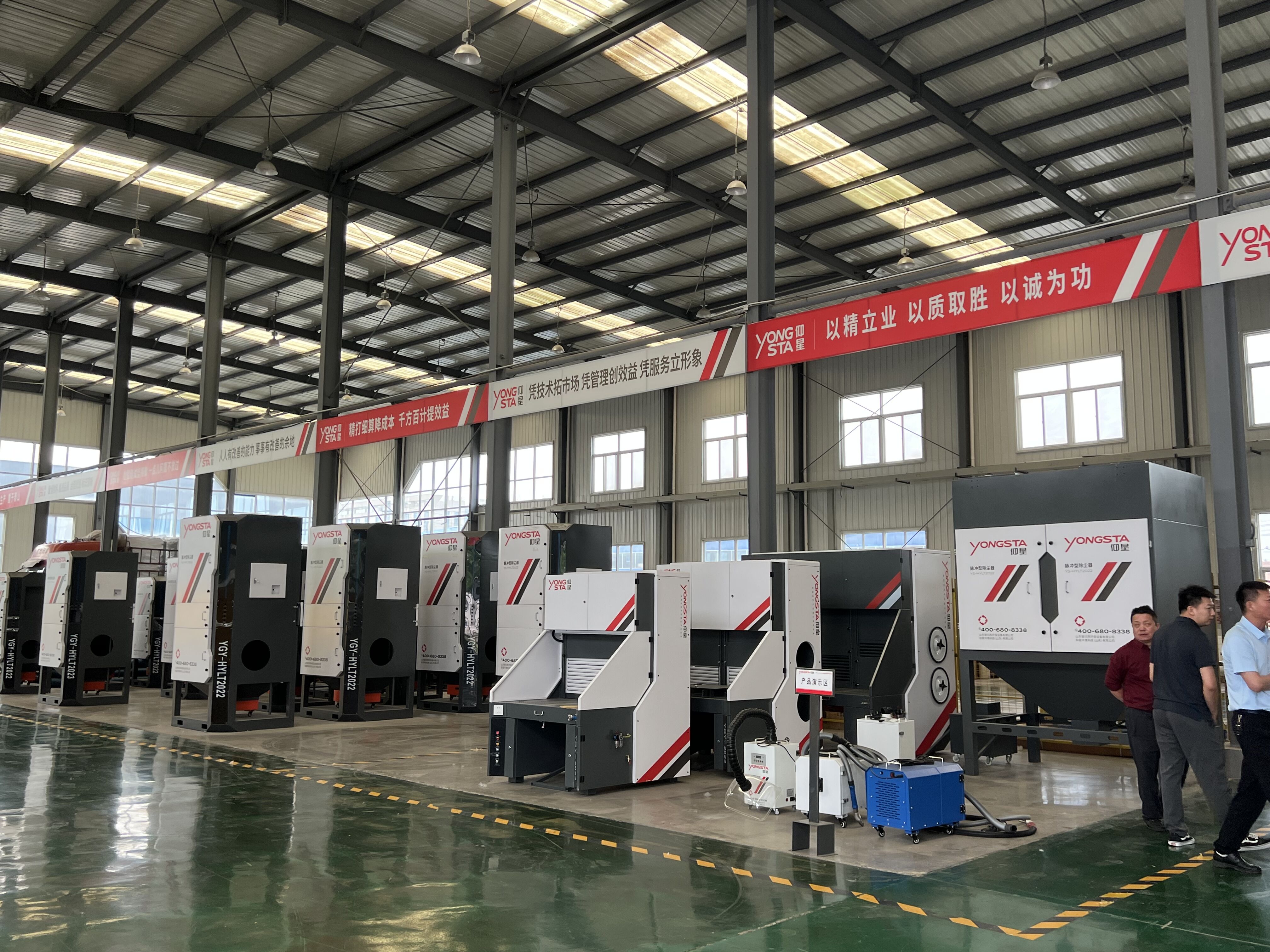
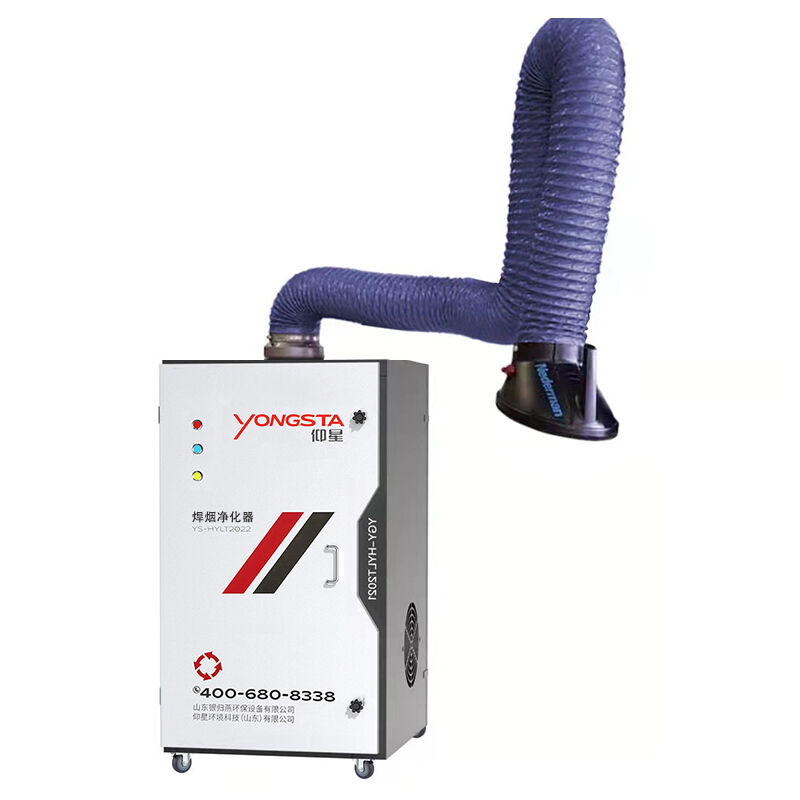
Welding fume removal systems represent essential safety equipment designed to capture and filter hazardous airborne particles generated during welding operations. These specialized systems protect workers from exposure to toxic metal fumes, gases, and particulate matter that can cause serious respiratory conditions and long-term health complications. Modern welding fume removal technology combines powerful extraction capabilities with advanced filtration methods to maintain clean air quality in industrial environments. The primary function of these systems involves drawing contaminated air away from the welding area through strategically positioned extraction arms or hoods, then passing it through multi-stage filtration processes that trap harmful particles before returning purified air to the workspace. Technological features include variable speed controls that adjust suction power based on welding intensity, flexible positioning arms that allow operators to place extraction points precisely where needed, and high-efficiency particulate air filters that capture particles as small as 0.3 microns. Many systems incorporate spark arrestors to prevent fire hazards and automatic filter cleaning mechanisms that extend operational life while reducing maintenance requirements. Applications span diverse industries including automotive manufacturing, shipbuilding, construction, metal fabrication shops, maintenance facilities, and aerospace production. These systems prove particularly valuable in confined spaces where fume concentration builds rapidly, in facilities performing high-volume welding operations, and in environments where multiple welding stations operate simultaneously. Whether handling MIG welding, TIG welding, arc welding, or specialized processes like stainless steel fabrication that produces particularly hazardous hexavalent chromium fumes, proper welding fume removal equipment ensures compliance with occupational safety regulations while creating healthier working conditions that improve productivity and reduce absenteeism caused by respiratory issues.

New Product Recommendations

Installing welding fume removal systems delivers immediate and measurable benefits that impact both worker wellbeing and business performance. Workers experience significantly improved air quality, breathing cleaner air that reduces eye irritation, throat discomfort, and the persistent metallic taste associated with fume exposure. This cleaner environment translates directly into better focus and sustained energy throughout shifts, as operators no longer battle the fatigue that comes from breathing contaminated air. Companies see reduced sick days and lower healthcare costs as respiratory complaints decline, while also avoiding potential liability issues related to occupational illness claims. Productivity gains emerge naturally when welders work in comfortable conditions without needing frequent breaks to escape fume-filled areas. The systems create safer workspaces that help attract and retain skilled workers who increasingly prioritize health and safety when choosing employers. Regulatory compliance becomes straightforward with proper welding fume removal equipment, helping businesses avoid costly fines and potential shutdowns from safety violations. Many jurisdictions now mandate fume extraction for welding operations, making these systems a necessary investment rather than an optional upgrade. The technology pays for itself through multiple channels: reduced insurance premiums as safety records improve, decreased material waste as better visibility allows more precise work, and extended equipment life as corrosive fumes no longer settle on machinery and electronics. Modern systems operate quietly enough to maintain communication between team members while providing powerful extraction that keeps work areas clear. Energy-efficient designs minimize operating costs, with some models featuring automatic activation that runs extraction only when welding occurs, preventing unnecessary power consumption. Maintenance requirements remain minimal thanks to durable construction and self-cleaning filter options that reduce downtime. The flexibility of portable units allows businesses to protect workers across different job sites and adapt quickly to changing production layouts. Fixed installation systems integrate seamlessly into existing facilities, with ductwork designed to minimize space requirements while maximizing coverage. Return on investment typically occurs within two years through combined savings on healthcare, compliance, productivity, and equipment protection, making welding fume removal systems one of the most cost-effective safety improvements available to metalworking operations.

Tips And Tricks

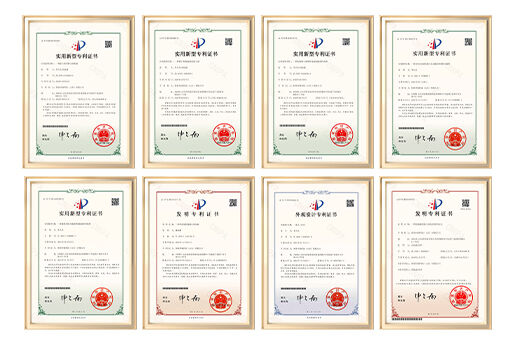
Yongsta R&D Team Wins 3 Dust Removal Technology Patents, Leading Industry Innovation

09

Apr

Yongsta R&D Team Wins 3 Dust Removal Technology Patents, Leading Industry Innovation

View More
Yongsta Cooperates with TUV for ATEX Explosion-Proof Certification, Explosion-Proof Dust Collector to Be Launched Soon

09

Apr

Yongsta Cooperates with TUV for ATEX Explosion-Proof Certification, Explosion-Proof Dust Collector to Be Launched Soon

View More
Empowering Benchmark Manufacturing! Yongsta Cartridge Dust Collector Aids Siemens Transformer China Factory's Dust Removal Renovation and Gains High Recognition

09

Apr

Empowering Benchmark Manufacturing! Yongsta Cartridge Dust Collector Aids Siemens Transformer China Factory's Dust Removal Renovation and Gains High Recognition

View More

Get a Free Quote

Our representative will contact you soon.
Email
Name
Company Name
Message
0/1000

welding fume removal

Advanced Multi-Stage Filtration Technology

Advanced Multi-Stage Filtration Technology

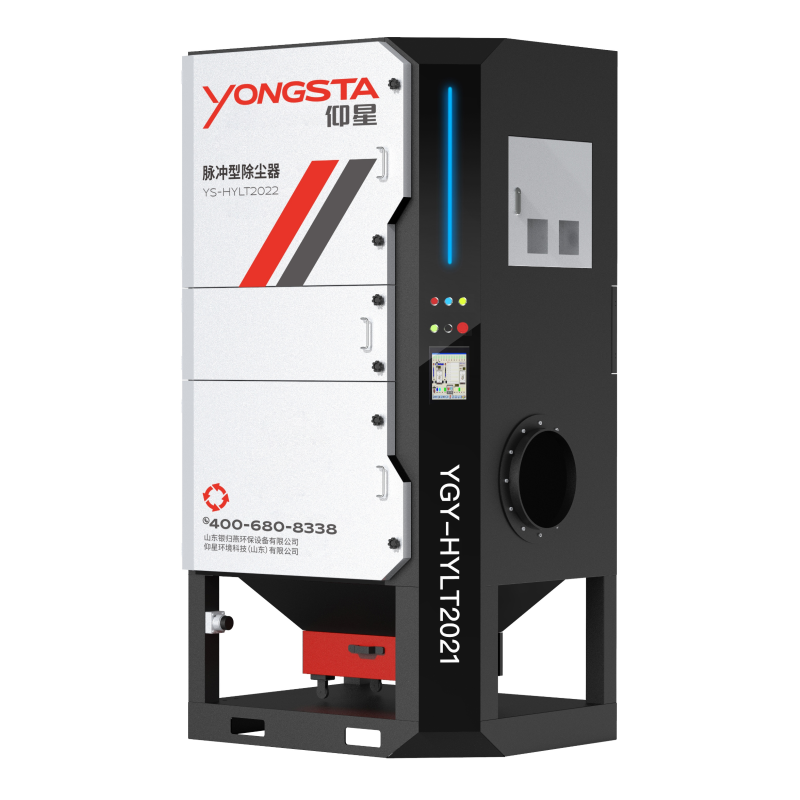
The filtration capabilities of modern welding fume removal systems represent a sophisticated approach to air purification that addresses the complex mixture of contaminants produced during welding processes. These systems employ multiple filtration stages, each targeting specific particle sizes and contaminant types to achieve comprehensive air cleaning. The first stage typically involves a pre-filter or spark arrestor that captures larger particles and prevents hot sparks from reaching sensitive filter media, protecting the system from fire hazards while extending the life of downstream filters. This initial barrier removes the bulk of coarse particles, allowing subsequent stages to focus on finer contaminants. The secondary stage often utilizes high-efficiency particulate air filters capable of capturing particles down to 0.3 microns with efficiency ratings exceeding 99.97 percent, effectively trapping the dangerous submicron particles that penetrate deep into lung tissue and cause the most severe health effects. Some advanced systems incorporate activated carbon filters as a third stage, specifically targeting gaseous contaminants and odors that particulate filters cannot capture, providing complete protection against the full spectrum of welding emissions. The filtration media itself features engineered designs that maximize surface area while maintaining optimal airflow, preventing the pressure drops that reduce system performance and increase energy consumption. Pleated configurations and specialized fiber arrangements create tortuous paths that force particles into contact with filter media while allowing clean air to pass through efficiently. Many systems now include filter monitoring technology that tracks pressure differential across filters, providing real-time feedback on filter condition and alerting operators when replacement becomes necessary, eliminating guesswork and preventing premature filter changes that waste money or delayed changes that compromise air quality. Self-cleaning mechanisms in premium models use automated pulse-jet systems that periodically blast compressed air through filters in reverse, dislodging accumulated particles into collection bins and restoring filtration efficiency without manual intervention. This automation dramatically extends filter life, reduces maintenance labor, and ensures consistent performance throughout the service interval. The modular design of modern filtration systems allows businesses to customize configurations based on specific welding processes, with options to add specialized filters for unique contaminants or upgrade filtration levels as regulations tighten or processes change.
Flexible Extraction and Positioning Systems

Flexible Extraction and Positioning Systems

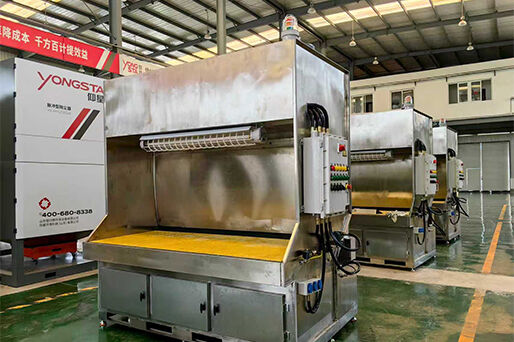
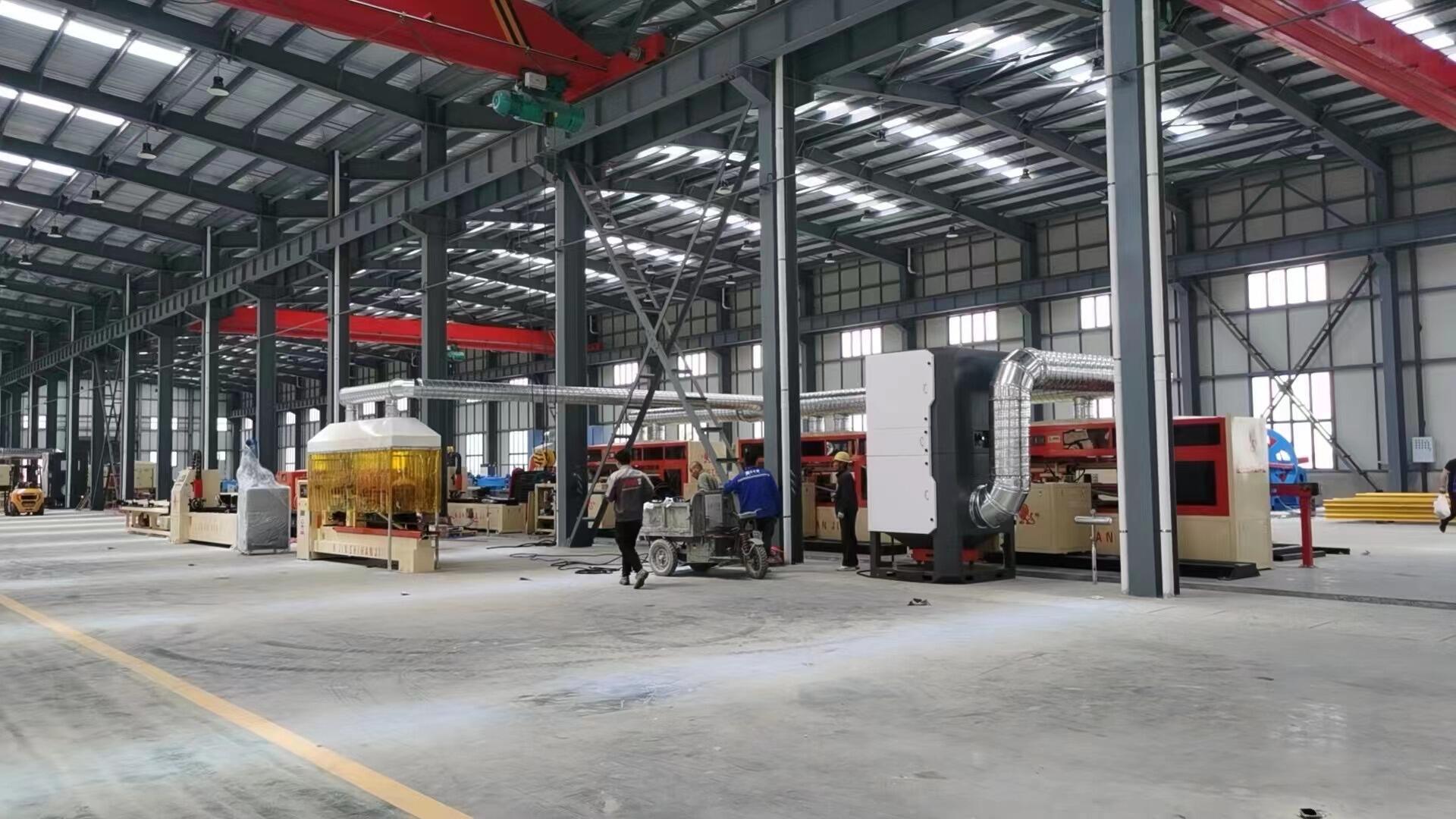
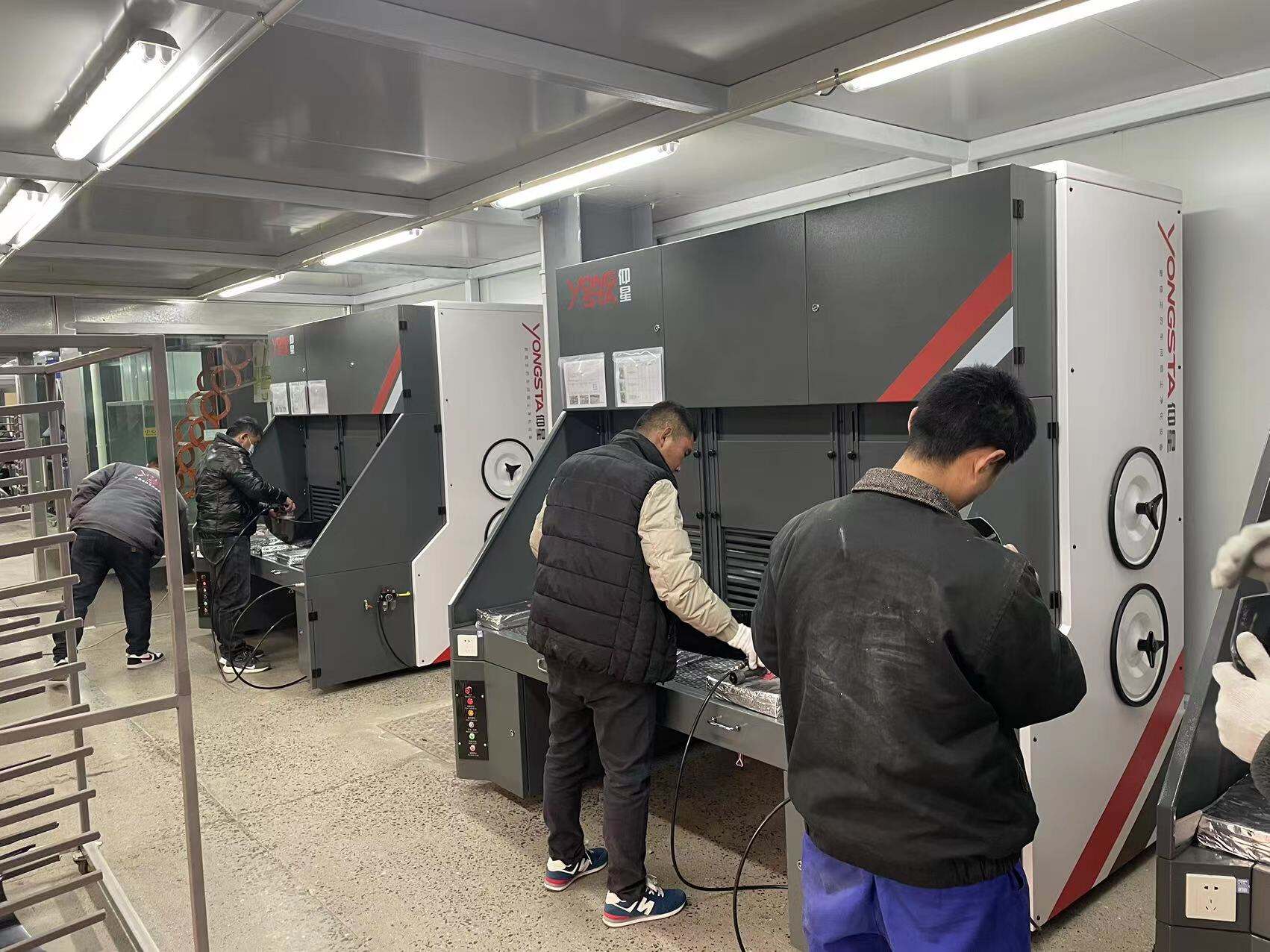
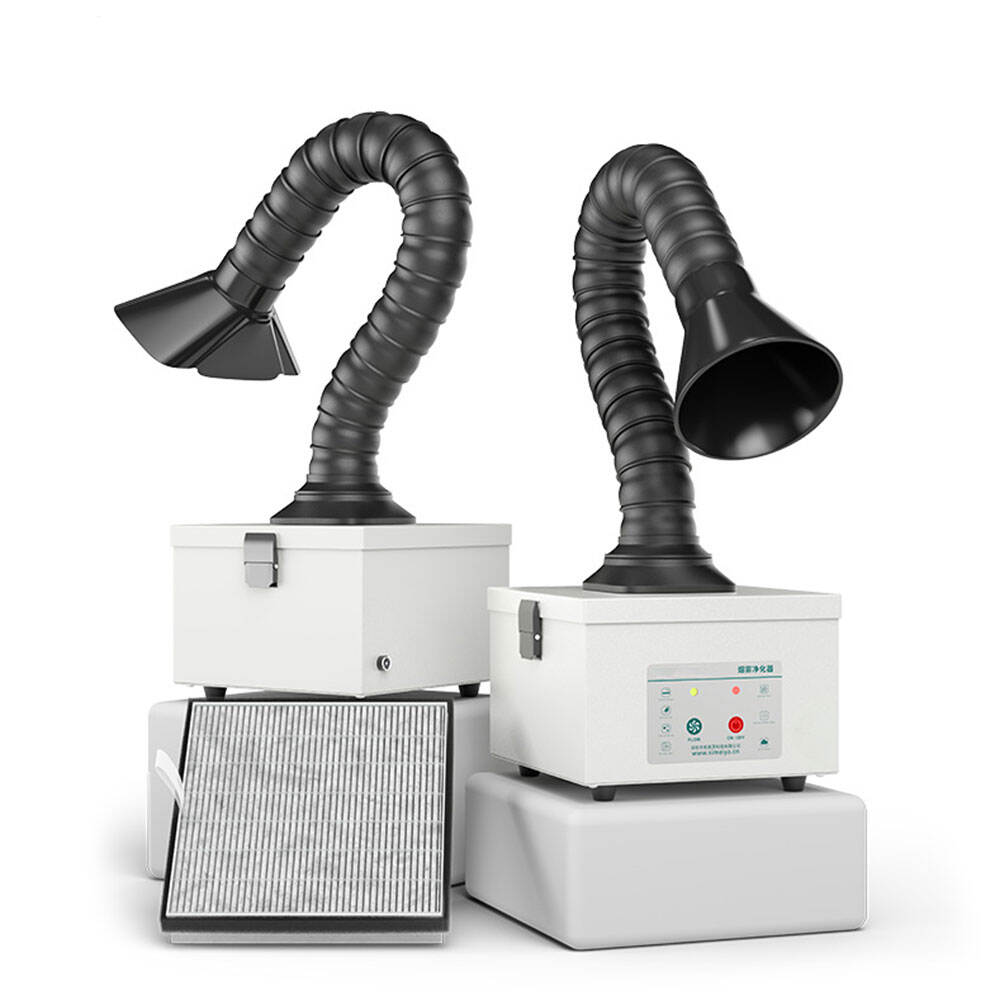
The effectiveness of welding fume removal depends critically on capturing contaminants at their source before they disperse into the broader workspace, making extraction positioning a crucial design element that separates superior systems from basic models. Modern extraction arms feature articulated joints and balanced construction that allows operators to position capture hoods within inches of the welding arc, maximizing capture efficiency while maintaining unrestricted access to workpieces. These arms remain stable in position without drifting or sagging, even when extended to their full reach, ensuring consistent fume capture throughout extended welding sessions. The internal ductwork within extraction arms uses smooth interior surfaces and optimized diameter transitions that minimize turbulence and pressure losses, maintaining strong suction at the capture point even with long arm extensions. Capture hoods themselves incorporate aerodynamic designs informed by computational fluid dynamics modeling, creating airflow patterns that draw fumes directly into the extraction system rather than allowing them to escape around the edges. Some hoods feature adjustable flanges or magnetic attachments that allow operators to customize the capture area based on workpiece size and welding position, providing versatility across diverse applications. Portable welding fume removal units offer ultimate flexibility for job sites, maintenance operations, and facilities with changing production layouts, rolling easily between locations on heavy-duty casters while providing extraction performance comparable to fixed installations. These mobile systems typically include onboard filtration, eliminating the need for ductwork connections and allowing immediate deployment wherever welding occurs. For permanent installations, centralized extraction systems can serve multiple welding stations through a network of ductwork and blast gates, providing economical fume removal for high-volume operations while centralizing filter maintenance and reducing floor space requirements at individual workstations. The extraction power of these systems adjusts automatically based on the number of active stations, maintaining optimal capture velocity at each point while minimizing energy waste. Downdraft tables represent another extraction approach particularly effective for smaller workpieces, pulling fumes downward through perforated work surfaces where they enter filtration systems below, keeping fumes away from the breathing zone without requiring arm positioning. This configuration proves especially valuable for robotic welding cells and automated production lines where extraction arms would interfere with equipment movement. Integration capabilities allow welding fume removal systems to connect with facility automation, activating extraction automatically when welding equipment powers on and deactivating during idle periods to conserve energy and extend filter life.
Comprehensive Health Protection and Regulatory Compliance

Comprehensive Health Protection and Regulatory Compliance

The health implications of welding fume exposure extend far beyond immediate discomfort, encompassing serious conditions including metal fume fever, chronic obstructive pulmonary disease, asthma, lung cancer, and neurological damage from manganese exposure, making effective fume removal not merely a comfort issue but a critical health imperative. Welding fume removal systems provide the primary defense against these hazards, reducing airborne contaminant concentrations to levels well below regulatory limits established by occupational safety agencies worldwide. The particulate matter generated during welding includes a complex mixture of metal oxides from base materials and filler metals, with composition varying based on welding process and materials but consistently including harmful substances like iron oxide, aluminum oxide, manganese compounds, chromium including hexavalent chromium from stainless steel, nickel, copper, zinc, and numerous other metals depending on alloy composition. Each of these substances presents distinct health risks, with hexavalent chromium recognized as a potent carcinogen and manganese linked to Parkinson-like neurological symptoms, underscoring the importance of comprehensive fume capture and filtration. Regulatory agencies including OSHA in the United States, HSE in the United Kingdom, and equivalent bodies worldwide have established permissible exposure limits for welding fumes and specific metal compounds, with enforcement actions and penalties for non-compliance becoming increasingly common as awareness of welding hazard grows. Implementing proper welding fume removal systems demonstrates due diligence in protecting worker health, providing documented evidence of safety commitment that proves valuable during regulatory inspections and potential litigation. Modern systems include monitoring capabilities that document air quality and system performance, creating records that verify compliance and identify trends requiring attention. Beyond meeting minimum regulatory requirements, forward-thinking companies recognize that optimal air quality delivers competitive advantages through improved worker satisfaction, enhanced recruitment and retention of skilled welders, and reputation benefits as safety-conscious employers. The investment in welding fume removal technology signals organizational values that resonate with workers and customers alike, differentiating companies in competitive markets. Insurance providers increasingly recognize the risk reduction provided by proper fume extraction, often offering premium reductions for facilities with comprehensive systems, adding another financial benefit to the health and compliance advantages. The long-term cost avoidance from preventing occupational illness far exceeds system investment, with a single serious respiratory condition potentially costing hundreds of thousands in medical expenses, lost productivity, and legal fees, while proper fume removal systems operate for decades with modest maintenance costs.

Get a Free Quote

Our representative will contact you soon.
Email
Name
Company Name
Message
0/1000
email goToTop