Industrial Fume Extractor Systems - Advanced Air Quality Solutions for Safe Manufacturing Environments

Get a Free Quote

Our representative will contact you soon.
Email
Name
Company Name
Message
0/1000

industrial fume extractor

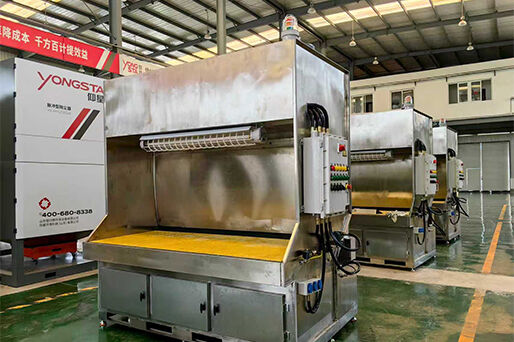
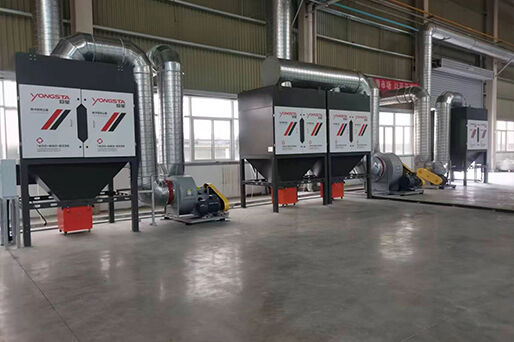
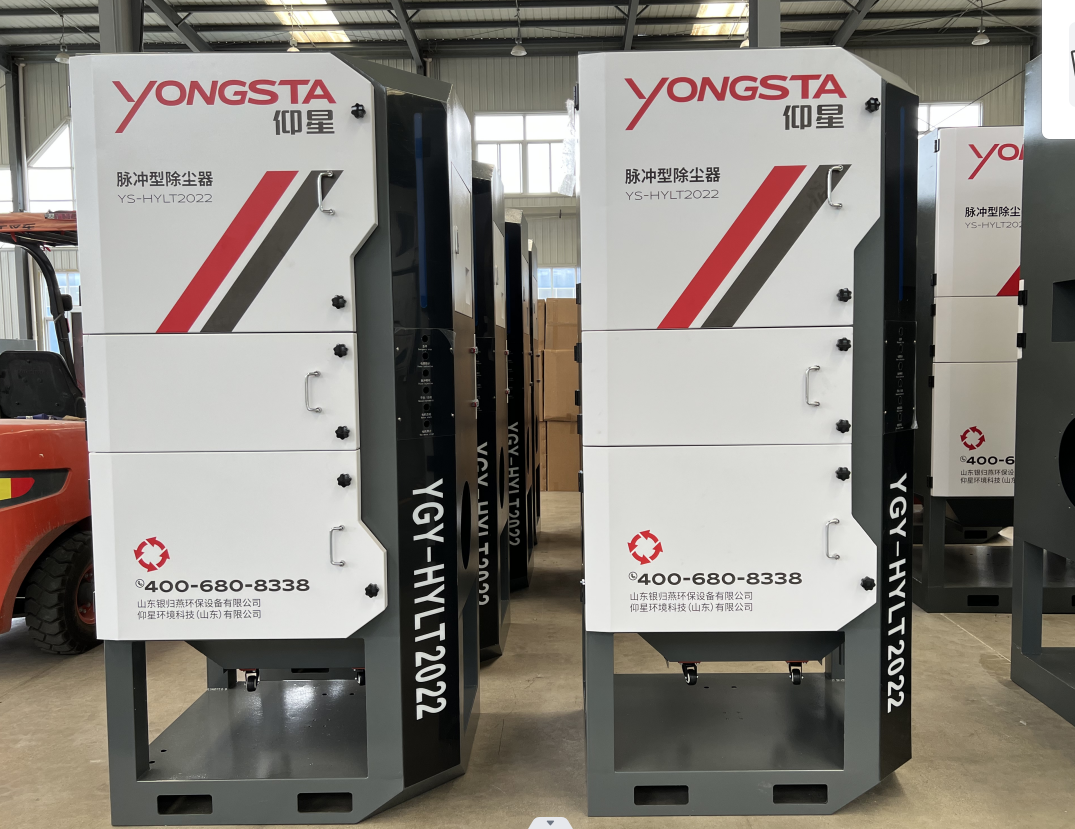
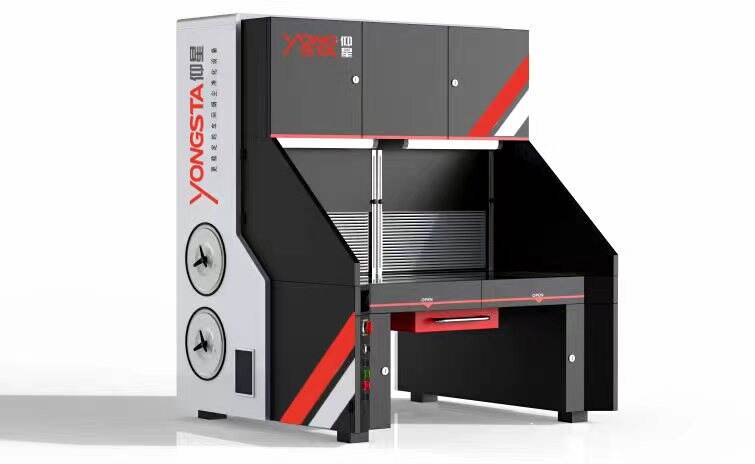
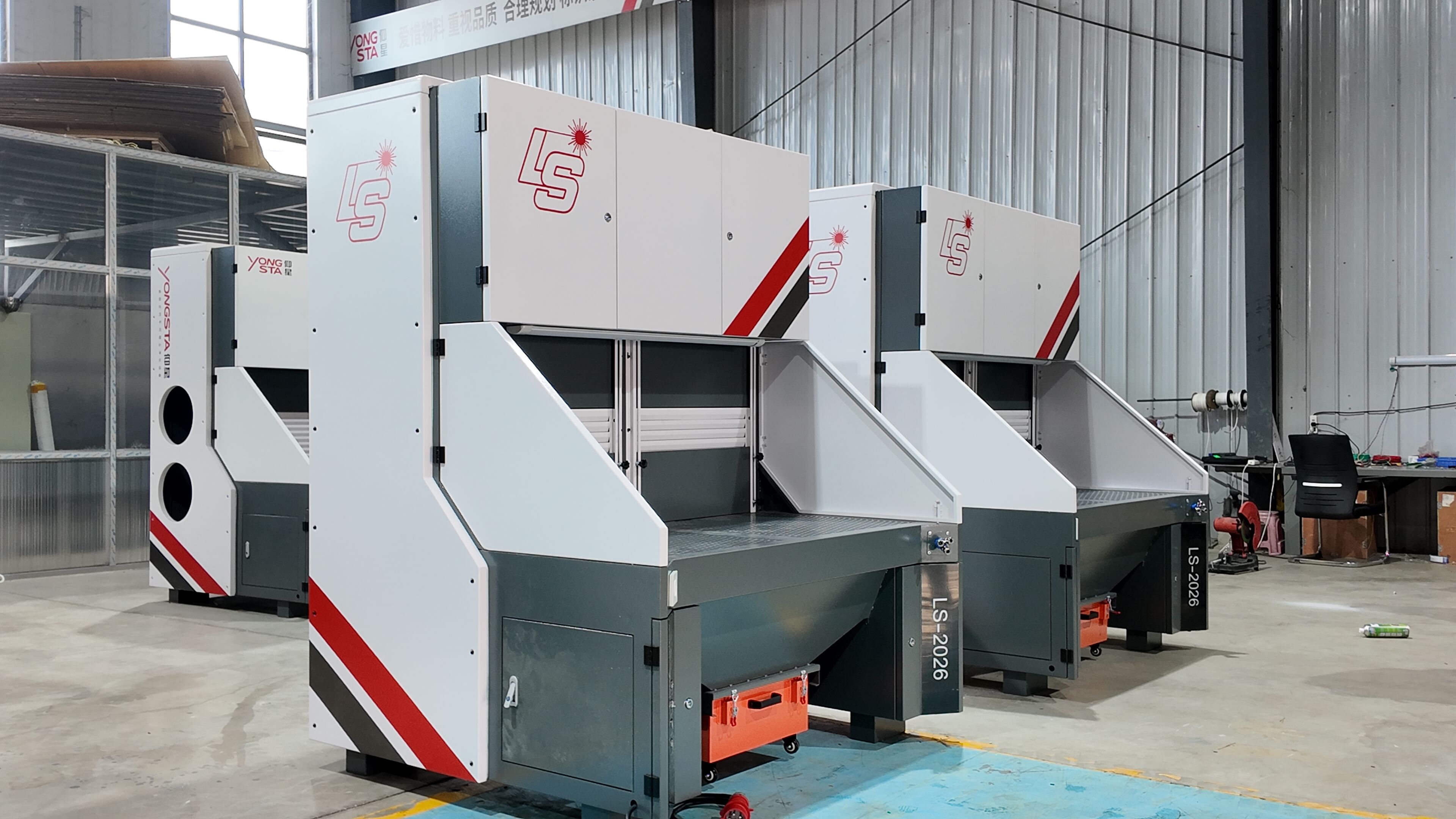
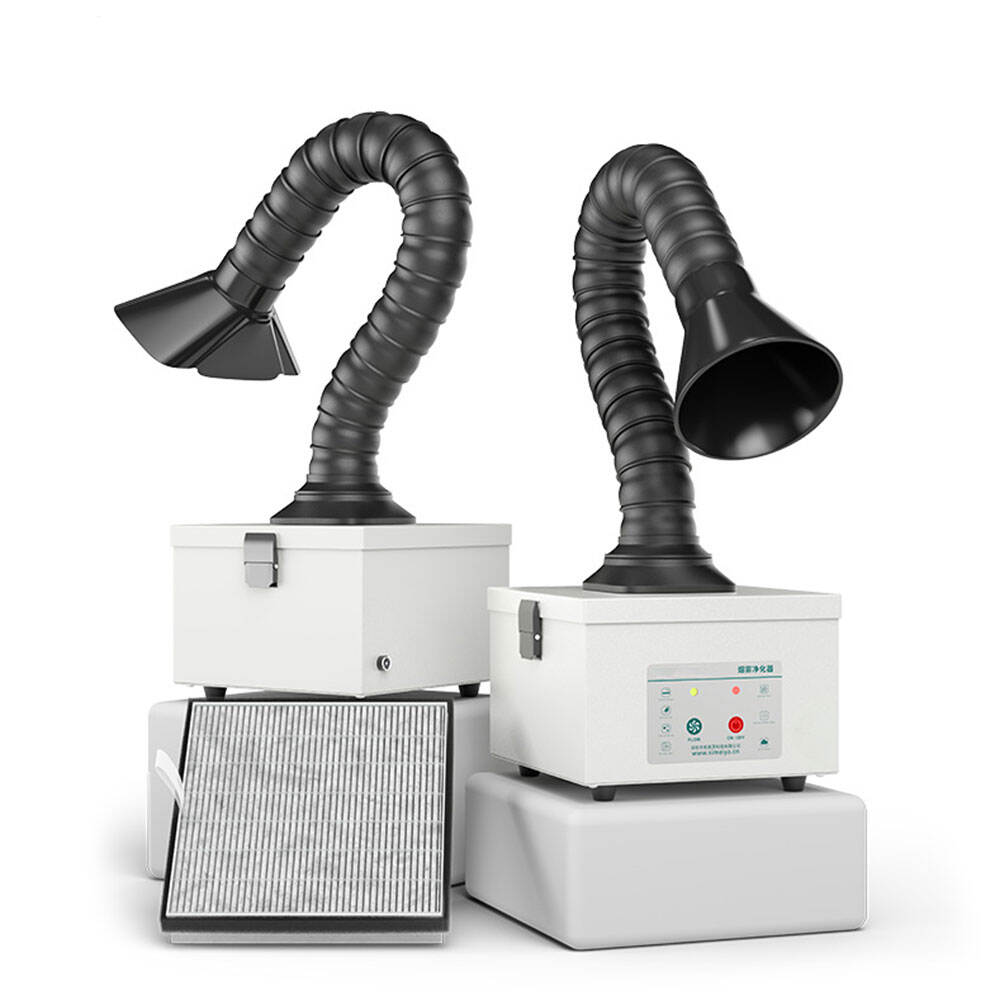
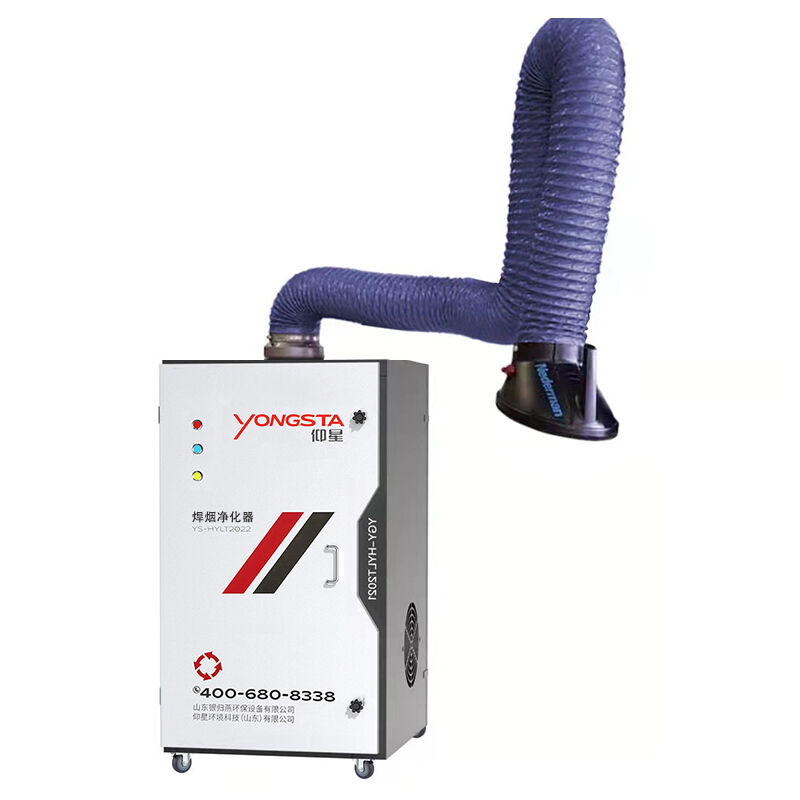
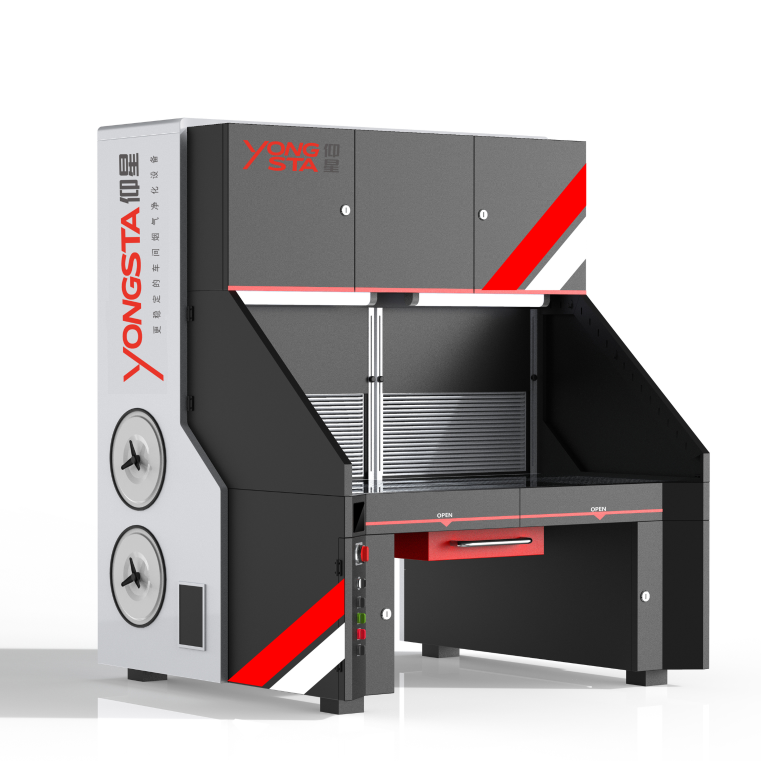
An industrial fume extractor represents a critical piece of equipment designed to capture, filter, and remove harmful airborne contaminants generated during manufacturing and production processes. These sophisticated systems protect workers from exposure to hazardous fumes, smoke, dust particles, and chemical vapors that emerge from welding, soldering, laser cutting, chemical processing, and various other industrial operations. The primary function of an industrial fume extractor centers on maintaining clean air quality within facilities by drawing contaminated air through powerful filtration systems before releasing purified air back into the workspace or exhausting it outdoors. Modern industrial fume extractors incorporate advanced filtration technologies including HEPA filters, activated carbon filters, and electrostatic precipitators that work together to capture particles as small as 0.3 microns with efficiency rates exceeding 99.97 percent. The technological features of these systems include variable speed controls that allow operators to adjust suction power based on specific application requirements, flexible extraction arms that position precisely at emission sources, and intelligent monitoring systems that track filter saturation levels and alert maintenance teams when replacement becomes necessary. Industrial fume extractors serve diverse applications across metalworking shops, electronics manufacturing facilities, pharmaceutical production lines, automotive repair centers, and chemical processing plants. These units come in various configurations including portable models for flexible deployment, centralized systems serving multiple workstations, and downdraft tables integrating extraction capabilities directly into work surfaces. The extraction process begins when contaminated air enters through capture hoods or arms positioned near the pollution source, travels through ductwork into the filtration chamber, passes through multiple filter stages that trap different contaminant types, and finally exits as clean air. This continuous cycle maintains safe breathing conditions for employees while ensuring compliance with occupational health regulations and environmental standards that govern workplace air quality and emissions control.

New Product Releases

Investing in an industrial fume extractor delivers immediate and long-term benefits that positively impact worker health, operational efficiency, and business sustainability. The most significant advantage lies in protecting employee wellbeing by removing toxic substances from breathing zones before they cause respiratory problems, skin irritation, or chronic health conditions that result from prolonged exposure to industrial pollutants. Workers operating in environments equipped with proper fume extraction experience fewer sick days, demonstrate higher productivity levels, and report greater job satisfaction compared to those laboring in poorly ventilated spaces. Beyond health protection, these systems help companies avoid costly penalties and legal complications associated with violating workplace safety regulations enforced by occupational health authorities who conduct regular inspections and impose substantial fines on non-compliant facilities. An industrial fume extractor also extends the lifespan of expensive machinery and equipment by preventing corrosive particles and chemical residues from settling on sensitive components, reducing maintenance requirements and minimizing unexpected breakdowns that disrupt production schedules. The improved visibility resulting from cleaner air allows workers to perform precision tasks with greater accuracy, leading to higher quality output and fewer defective products that waste materials and labor hours. Energy efficiency represents another practical advantage as modern extraction systems consume less power while delivering superior performance compared to older ventilation methods that simply exhaust large volumes of conditioned air and force heating or cooling systems to work harder maintaining comfortable temperatures. Companies that install industrial fume extractors often discover they can reclaim valuable floor space previously occupied by makeshift ventilation solutions or restricted work zones deemed too hazardous for regular use. The positive environmental impact cannot be overlooked as these systems prevent harmful emissions from escaping into surrounding communities, demonstrating corporate responsibility and building goodwill with neighbors and local authorities. Return on investment materializes quickly through reduced insurance premiums offered to facilities with documented safety improvements, decreased worker compensation claims stemming from occupational illnesses, and enhanced ability to attract skilled talent who prioritize working in safe, modern environments. The flexibility of industrial fume extractor systems allows businesses to scale their air quality solutions as operations expand, adding extraction points or upgrading filtration capacity without replacing entire systems, making them cost-effective choices for growing enterprises.

Practical Tips

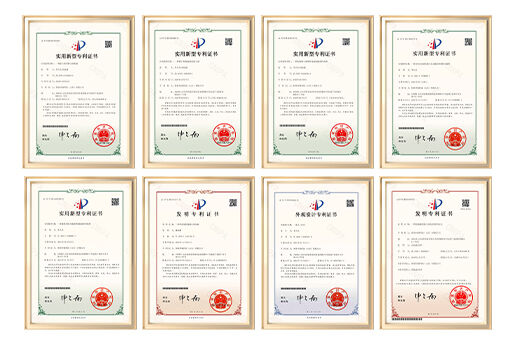
Yongsta R&D Team Wins 3 Dust Removal Technology Patents, Leading Industry Innovation

09

Apr

Yongsta R&D Team Wins 3 Dust Removal Technology Patents, Leading Industry Innovation

View More
Yongsta Cooperates with TUV for ATEX Explosion-Proof Certification, Explosion-Proof Dust Collector to Be Launched Soon

09

Apr

Yongsta Cooperates with TUV for ATEX Explosion-Proof Certification, Explosion-Proof Dust Collector to Be Launched Soon

View More
Empowering Benchmark Manufacturing! Yongsta Cartridge Dust Collector Aids Siemens Transformer China Factory's Dust Removal Renovation and Gains High Recognition

09

Apr

Empowering Benchmark Manufacturing! Yongsta Cartridge Dust Collector Aids Siemens Transformer China Factory's Dust Removal Renovation and Gains High Recognition

View More

Get a Free Quote

Our representative will contact you soon.
Email
Name
Company Name
Message
0/1000

industrial fume extractor

Advanced Multi-Stage Filtration Technology Ensures Maximum Contaminant Removal

Advanced Multi-Stage Filtration Technology Ensures Maximum Contaminant Removal

The cornerstone of any effective industrial fume extractor lies in its filtration system, and modern units employ sophisticated multi-stage approaches that address the full spectrum of airborne hazards encountered in industrial settings. The first stage typically consists of pre-filters or spark arrestors that capture larger particles, metal shavings, and hot debris before they reach more delicate filtration media, extending the operational life of downstream components and preventing fire hazards that could result from combustible materials accumulating inside the unit. Following this initial capture, the contaminated airstream passes through main filters constructed from pleated media offering extensive surface area within compact dimensions, trapping fine particulates including metal oxides, plastic fumes, and dust particles that measure just a few microns in diameter. For applications generating chemical vapors, organic compounds, or odorous gases, activated carbon filters provide the third filtration stage, using millions of microscopic pores within the carbon structure to adsorb gaseous contaminants through chemical attraction, effectively neutralizing substances that particle filters cannot capture. Some industrial fume extractor models incorporate HEPA filtration as a final polishing stage, guaranteeing that even submicron particles including bacteria, viruses, and ultrafine combustion byproducts get removed before air returns to the workspace. This layered approach ensures comprehensive protection regardless of the specific contaminants generated by particular processes, making these systems versatile solutions suitable for facilities running diverse operations under one roof. The filtration technology continues advancing with innovations like electrostatic precipitation that uses high-voltage electrical fields to charge particles and attract them to collection plates, achieving exceptional efficiency without the airflow restriction associated with dense mechanical filters. Self-cleaning filter mechanisms represent another technological leap, automatically purging accumulated debris through reverse air pulses or mechanical shaking, dramatically extending intervals between manual maintenance and reducing operational costs. Smart monitoring systems integrated into modern industrial fume extractors track differential pressure across filter stages, providing real-time data about filtration performance and predicting when replacement will become necessary, allowing maintenance teams to schedule filter changes during planned downtime rather than responding to emergency situations. The quality of filtration media directly impacts both worker safety and system longevity, which explains why premium industrial fume extractors utilize certified filters meeting rigorous industry standards and undergoing independent testing to verify their stated efficiency ratings, giving facility managers confidence that their investment delivers the promised protection.
Flexible Extraction Arms and Capture Hoods Maximize Source Capture Efficiency

Flexible Extraction Arms and Capture Hoods Maximize Source Capture Efficiency

The effectiveness of an industrial fume extractor depends not only on its filtration capabilities but equally on its ability to capture contaminants at their source before they disperse throughout the workspace, and this critical function relies on properly designed and positioned extraction arms and capture hoods. Flexible extraction arms represent one of the most practical features of modern systems, consisting of articulated segments connected by friction joints or internal support mechanisms that allow operators to position the capture hood precisely where fumes generate, then hold that position without drifting during operation. These arms typically extend between three and ten feet depending on the model, providing reach sufficient to service large work areas while maintaining the compact footprint necessary in crowded production environments. The internal diameter of extraction arms significantly influences their performance, with larger diameters reducing air velocity requirements and allowing quieter operation while still achieving adequate capture velocity at the hood opening. High-quality industrial fume extractor arms incorporate smooth internal surfaces and gradual bends that minimize turbulence and pressure losses, ensuring maximum suction power reaches the capture point rather than being wasted overcoming friction within the ductwork. The capture hood design itself plays a crucial role in extraction efficiency, with various configurations optimized for different applications including flanged hoods that create a boundary layer effect enhancing capture, slotted hoods ideal for linear processes like conveyor operations, and enclosed hoods that surround the work area providing containment for particularly hazardous operations. Some industrial fume extractor systems offer interchangeable hood options, allowing facilities to customize their setup based on specific tasks and switch configurations as production requirements change. The positioning strategy for extraction arms follows established principles of capture velocity and contaminant behavior, generally placing hoods as close as practical to the emission source, positioning them to intercept the natural rise path of hot fumes, and avoiding placement where they interfere with the operator's line of sight or manual dexterity. Magnetic mounting bases provide another flexibility advantage, allowing quick repositioning of extraction arms on steel work surfaces without permanent installation, ideal for job shops and facilities where work locations frequently change. The durability of extraction arms matters considerably in industrial environments where they endure bumps, chemical exposure, and constant repositioning, explaining why quality systems use corrosion-resistant materials, reinforced joints, and protective coatings that withstand harsh conditions while maintaining smooth operation over years of service.
Energy-Efficient Operation Reduces Costs While Maintaining Superior Performance

Energy-Efficient Operation Reduces Costs While Maintaining Superior Performance

Operating an industrial fume extractor continuously throughout production shifts represents a significant energy expense, making efficiency a critical consideration for cost-conscious facility managers who must balance worker protection with operational budgets. Modern systems achieve remarkable energy efficiency through multiple design innovations that reduce power consumption without compromising extraction performance or filtration effectiveness. Variable frequency drives represent one of the most impactful efficiency features, allowing the motor speed and fan rotation to adjust automatically based on actual demand rather than running constantly at maximum capacity, reducing electricity consumption by thirty to fifty percent in typical applications where full power is only needed intermittently. Smart sensors integrated into advanced industrial fume extractor models detect when welding guns activate, soldering irons heat up, or other processes begin generating fumes, automatically ramping up extraction power only when needed and reducing to standby mode during idle periods, eliminating the waste associated with extracting clean air when no contaminants are being produced. The fan design itself contributes significantly to efficiency, with backward-curved impellers and aerodynamic housing shapes minimizing turbulence and converting more motor power into useful airflow rather than generating heat and noise. Energy recovery features available on some industrial fume extractor systems capture heat from extracted air before it exhausts outdoors, transferring that thermal energy to incoming fresh air or facility heating systems, reducing the load on climate control equipment and providing measurable savings in cold climates where heating costs are substantial. The filtration system design also impacts energy consumption, as clogged or restrictive filters force motors to work harder maintaining adequate airflow, which explains why systems with larger filter surface areas and efficient media operate more economically over their service life despite potentially higher initial costs. Proper sizing of industrial fume extractor systems prevents energy waste, as oversized units consume unnecessary power while undersized systems run continuously at maximum capacity, wearing components prematurely and failing to provide adequate protection, making professional assessment of extraction requirements a worthwhile investment. The transition to brushless DC motors in newer models delivers additional efficiency gains along with quieter operation and longer service life compared to traditional AC motors, reducing both energy bills and maintenance expenses. Facilities can further optimize energy consumption by implementing zone extraction strategies where multiple workstations share a central industrial fume extractor through dampered ductwork, allowing the system to direct suction power only to active work areas rather than extracting from all locations simultaneously, an approach particularly effective in large facilities with staggered production schedules.

Get a Free Quote

Our representative will contact you soon.
Email
Name
Company Name
Message
0/1000
email goToTop