Manual Cleaning Fume Extractor - Cost-Effective Air Filtration for Industrial Workspaces

Get a Free Quote

Our representative will contact you soon.
Email
Name
Company Name
Message
0/1000

manual cleaning fume extractor

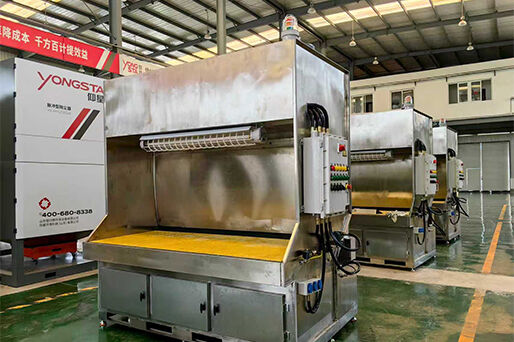
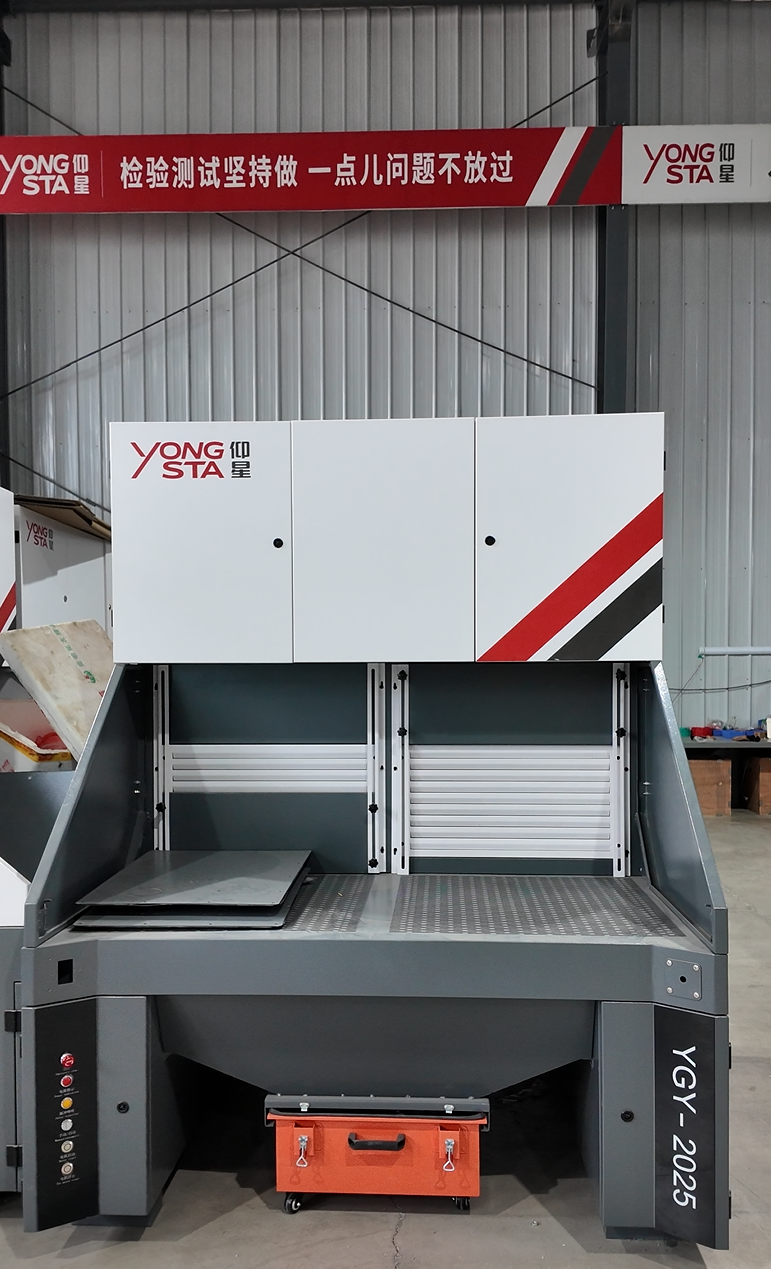
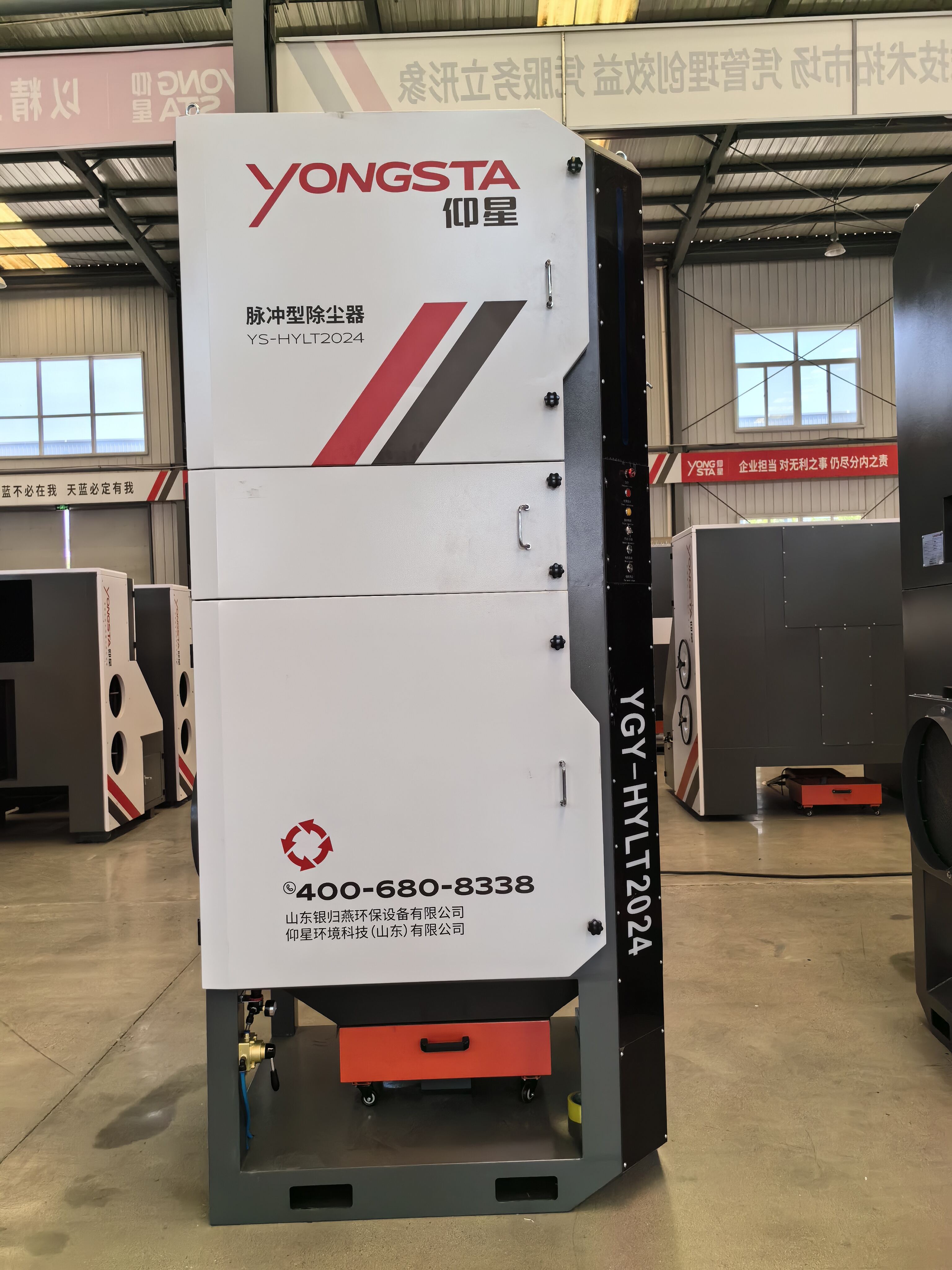
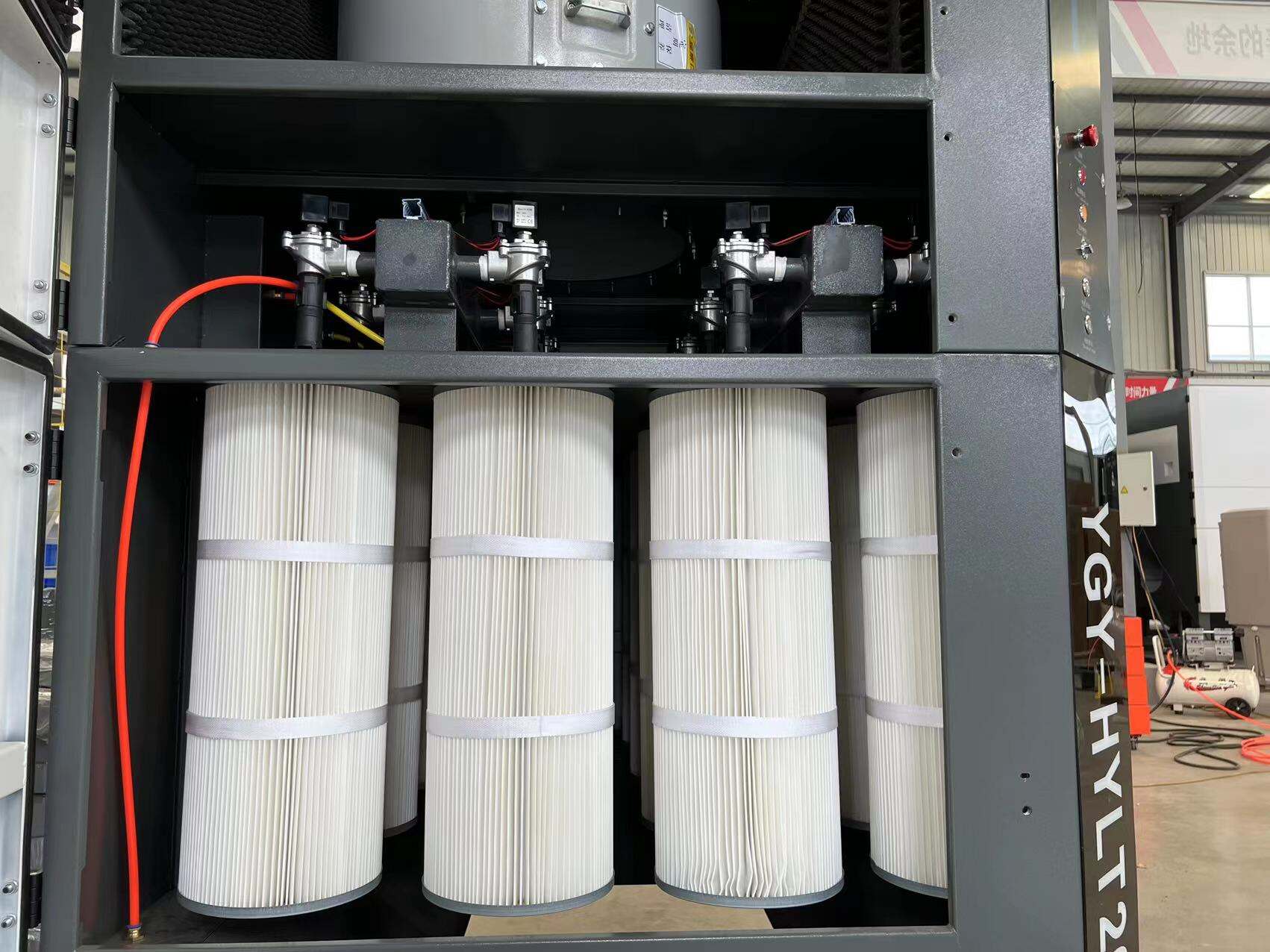
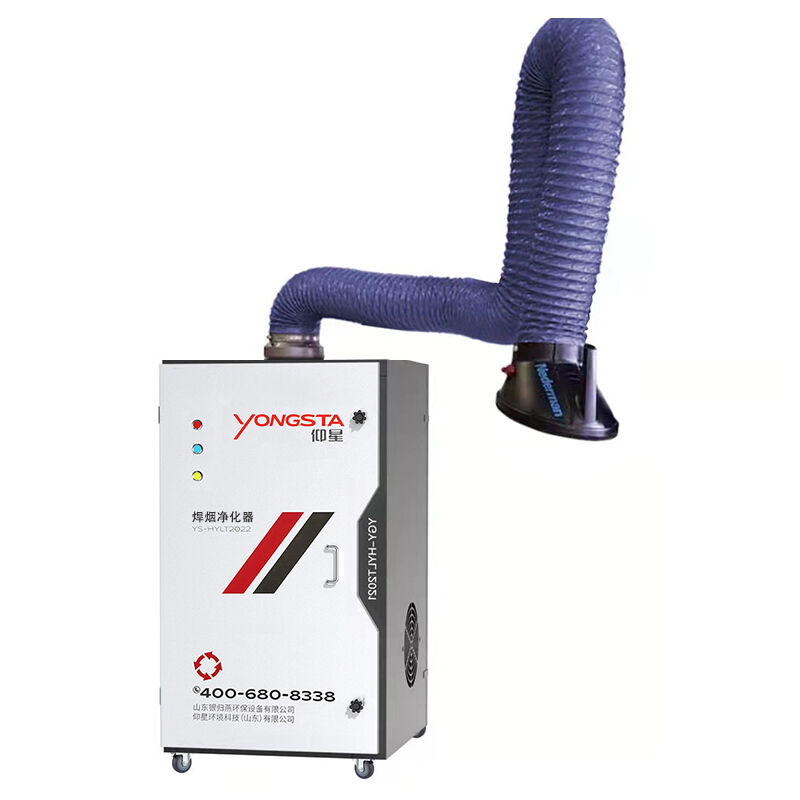
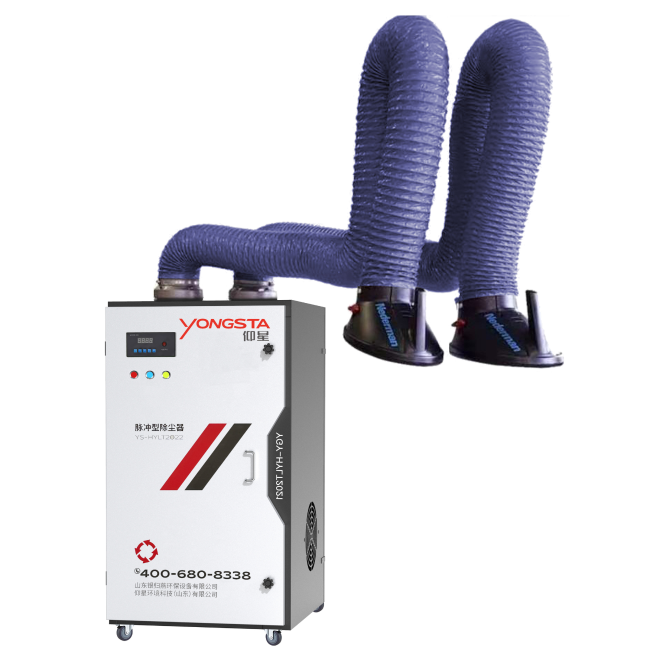
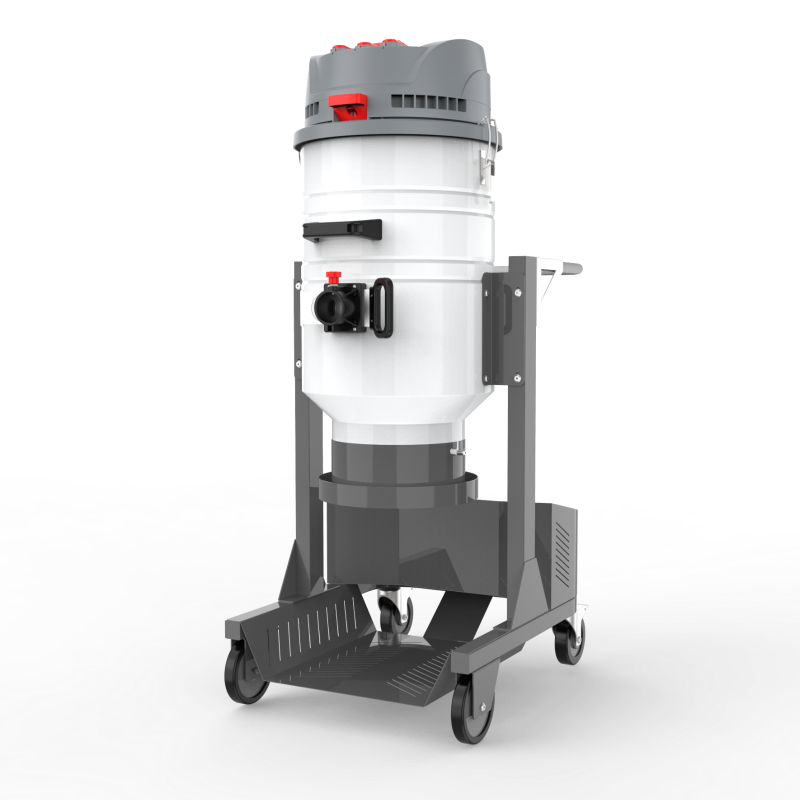
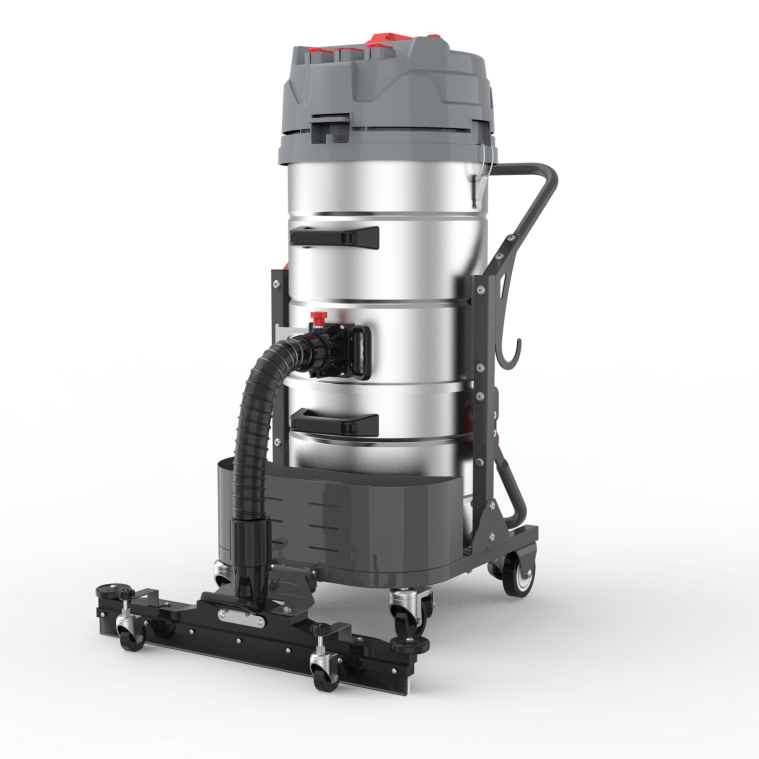
A manual cleaning fume extractor represents an essential piece of equipment designed to capture and filter harmful airborne contaminants generated during industrial processes such as soldering, welding, laser marking, and chemical handling. This specialized air filtration system operates by drawing contaminated air through a powerful suction mechanism, passing it through multiple filtration stages, and releasing clean air back into the workspace. The manual cleaning feature distinguishes this equipment from automated alternatives by providing operators with direct control over maintenance procedures, allowing them to physically access and clean filter components when needed. The core function of this device centers on protecting worker health by removing hazardous fumes, smoke particles, dust, and volatile organic compounds from breathing zones. Modern manual cleaning fume extractors incorporate advanced filtration technology, typically featuring pre-filters that capture larger particles, main HEPA filters that trap microscopic contaminants down to 0.3 microns, and activated carbon filters that absorb chemical vapors and odors. The extraction arm or hood can be positioned precisely where fumes originate, ensuring maximum capture efficiency before contaminants disperse throughout the facility. These systems find widespread application across electronics manufacturing facilities, jewelry workshops, automotive repair shops, medical device production lines, and research laboratories. The manual cleaning aspect provides significant cost advantages since operators can service filters themselves rather than relying on expensive replacement cartridges or professional maintenance services. This hands-on approach also enables users to assess filter condition directly, determining the optimal cleaning schedule based on actual usage patterns rather than arbitrary timelines. The equipment typically features adjustable airflow controls, allowing operators to match extraction power to specific tasks, conserving energy during light-duty operations while providing maximum suction for heavy fume generation. Compact designs make these extractors suitable for workbenches and small production areas where space comes at a premium, while larger industrial models can handle multiple workstations simultaneously through ducted configurations.

New Product Releases

The manual cleaning fume extractor delivers substantial practical benefits that directly impact operational efficiency and workplace safety. First and foremost, this equipment dramatically reduces long-term operating costs compared to disposable filter systems. When you can clean and reuse filters multiple times before replacement becomes necessary, your facility saves thousands of dollars annually on consumables. The cleaning process itself takes minimal time, typically requiring just 15 to 30 minutes depending on contamination levels, and workers can perform this maintenance during scheduled breaks without disrupting production schedules. This cost-effectiveness makes the technology accessible to small businesses and startups that might otherwise struggle to afford adequate fume extraction. Beyond financial savings, the manual cleaning approach gives you complete transparency into system performance. You can physically inspect filter media, identifying wear patterns and contamination buildup that might indicate process changes or equipment issues. This visibility helps you optimize cleaning intervals, avoiding premature filter replacement while ensuring extraction efficiency never drops below safe levels. The equipment protects employee health by consistently removing dangerous particles and chemical vapors that cause respiratory problems, headaches, dizziness, and long-term conditions like occupational asthma. Workers exposed to clean air demonstrate higher productivity, fewer sick days, and improved job satisfaction. Regulatory compliance becomes straightforward since these extractors help facilities meet OSHA air quality standards and environmental regulations governing workplace emissions. The flexibility of manual systems allows customization to specific applications. You can select filter media based on the exact contaminants your processes generate, whether metallic particles from grinding, flux residues from soldering, or chemical vapors from coating operations. Adjustable suction arms position precisely where needed, capturing fumes at the source before they reach breathing zones or spread throughout the workspace. Energy efficiency represents another significant advantage, as modern motors consume minimal electricity while delivering powerful extraction performance. Variable speed controls let operators reduce airflow during light tasks, cutting energy costs without sacrificing protection when needed. The compact footprint of benchtop models preserves valuable workspace, while mobile units on casters can be shared between multiple stations, maximizing equipment utilization. Installation requires no complex ductwork or building modifications, simply plug into standard electrical outlets and begin operation immediately. Quiet operation ensures these extractors do not create noise pollution that interferes with communication or concentration. The durability of manual cleaning systems means they provide reliable service for years, with robust construction that withstands demanding industrial environments. Maintenance simplicity reduces downtime since cleaning procedures require no specialized tools or technical expertise, and replacement parts remain readily available and affordable.

Latest News

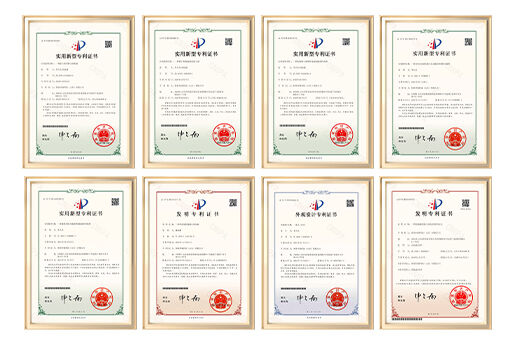
Yongsta R&D Team Wins 3 Dust Removal Technology Patents, Leading Industry Innovation

09

Apr

Yongsta R&D Team Wins 3 Dust Removal Technology Patents, Leading Industry Innovation

View More
Yongsta Cooperates with TUV for ATEX Explosion-Proof Certification, Explosion-Proof Dust Collector to Be Launched Soon

09

Apr

Yongsta Cooperates with TUV for ATEX Explosion-Proof Certification, Explosion-Proof Dust Collector to Be Launched Soon

View More
Empowering Benchmark Manufacturing! Yongsta Cartridge Dust Collector Aids Siemens Transformer China Factory's Dust Removal Renovation and Gains High Recognition

09

Apr

Empowering Benchmark Manufacturing! Yongsta Cartridge Dust Collector Aids Siemens Transformer China Factory's Dust Removal Renovation and Gains High Recognition

View More

Get a Free Quote

Our representative will contact you soon.
Email
Name
Company Name
Message
0/1000

manual cleaning fume extractor

Cost-Effective Maintenance Through Reusable Filter Technology

Cost-Effective Maintenance Through Reusable Filter Technology

The manual cleaning fume extractor stands out in the market due to its innovative approach to filter maintenance that transforms ongoing operational expenses into manageable, predictable costs. Traditional fume extraction systems rely on disposable filter cartridges that require frequent replacement, creating a continuous financial burden that accumulates significantly over the equipment's lifespan. In contrast, the manual cleaning design incorporates durable filter media specifically engineered for repeated cleaning cycles without performance degradation. This fundamental difference means facilities can operate the same filter set for months or even years, depending on usage intensity, before replacement becomes necessary. The cleaning process itself proves remarkably straightforward, requiring only basic tools and common cleaning supplies that most facilities already stock. Operators remove the filter assembly, which typically involves releasing simple latches or removing a few fasteners, then use compressed air, vacuum equipment, or mild cleaning solutions to remove accumulated contaminants from the filter surface. The entire procedure takes less time than a coffee break, yet extends filter life by weeks or months compared to leaving contamination in place. This hands-on maintenance approach also builds operator familiarity with the equipment, creating a workforce that understands how the system functions and can identify potential issues before they escalate into costly failures. The financial impact becomes especially pronounced in high-volume production environments where fume generation occurs continuously throughout shifts. A facility running three shifts daily might otherwise consume dozens of disposable filters monthly, with each cartridge costing anywhere from fifty to several hundred dollars depending on specifications. Over a year, these consumable costs can exceed the original equipment purchase price multiple times over. The manual cleaning alternative reduces this expense to occasional filter replacements only when media becomes physically damaged or loses structural integrity, typically after hundreds of cleaning cycles. Beyond direct cost savings, the manual cleaning capability provides operational independence. Facilities no longer depend on supplier delivery schedules or face production interruptions when replacement filters arrive late or in incorrect specifications. This self-sufficiency proves particularly valuable for operations in remote locations or those working with specialized processes requiring custom filtration solutions. The ability to maintain equipment internally also supports sustainability initiatives by dramatically reducing waste generation, as cleaned filters avoid landfills while disposable alternatives contribute to industrial waste streams.
Superior Air Quality Control With Multi-Stage Filtration Systems

Superior Air Quality Control With Multi-Stage Filtration Systems

The manual cleaning fume extractor achieves exceptional air purification through sophisticated multi-stage filtration architecture that addresses the complete spectrum of airborne contaminants encountered in industrial settings. This comprehensive approach begins with a pre-filter stage designed to capture larger particles, including visible smoke, metal shavings, and dust aggregates that would otherwise quickly clog finer filtration media. By removing these bulk contaminants first, the pre-filter extends the service life of downstream filters while maintaining consistent airflow throughout the system. The second stage typically employs high-efficiency particulate air filters, commonly known as HEPA technology, which trap microscopic particles down to 0.3 microns with efficiency ratings exceeding 99.97 percent. This level of filtration captures the dangerous fine particles that penetrate deep into lung tissue, including welding fumes, solder smoke particulates, and grinding dust that pose serious long-term health risks. The HEPA stage ensures that even submicron contaminants cannot escape back into the workspace, providing protection that meets or exceeds the most stringent industrial hygiene standards. The final filtration stage incorporates activated carbon media specifically formulated to adsorb chemical vapors, volatile organic compounds, and odorous gases that pass through particle filters unchanged. This chemical filtration proves essential for processes involving flux, cleaning solvents, adhesives, or other materials that release gaseous contaminants. The activated carbon works through a process called adsorption, where gas molecules bond to the vast internal surface area of the carbon granules, effectively removing them from the airstream. The manual cleaning feature integrates seamlessly with this multi-stage design, as each filter type can be serviced according to its specific maintenance requirements. Pre-filters typically need cleaning most frequently due to their role capturing bulk contamination, while HEPA filters require less frequent attention, and carbon filters may need replacement rather than cleaning once their adsorption capacity becomes exhausted. This tiered maintenance approach optimizes both performance and cost-effectiveness. The system's ability to maintain consistent air quality throughout the cleaning cycle ensures workers receive continuous protection rather than experiencing declining performance between filter changes. Airflow sensors and pressure differential monitors can alert operators when cleaning becomes necessary, preventing the performance degradation that occurs when filters become overloaded. This proactive maintenance approach keeps extraction efficiency at peak levels, ensuring fumes get captured at the source rather than escaping into the broader workspace where they endanger multiple workers.
Flexible Application Versatility Across Diverse Industrial Processes

Flexible Application Versatility Across Diverse Industrial Processes

The manual cleaning fume extractor demonstrates remarkable adaptability to varied industrial applications, making it an invaluable asset for facilities handling multiple processes or those anticipating future production changes. This versatility stems from thoughtful engineering that prioritizes configurability over single-purpose optimization, allowing the same base equipment to serve electronics assembly operations one day and metalworking tasks the next. The extraction arm or hood represents a key element of this flexibility, with articulating joints that position precisely where fumes generate, whether hovering over a soldering iron, positioned beside a welding torch, or placed near a laser engraving system. These positioning systems typically incorporate friction joints or locking mechanisms that hold the selected position firmly during operation while allowing quick repositioning when tasks change. The range of motion ensures coverage across entire workbenches or production cells without requiring equipment relocation. Interchangeable nozzles and hood designs further enhance application versatility, with narrow nozzles concentrating suction for pinpoint extraction during precision work, while broader hoods capture dispersed fumes from larger work areas. Some systems offer magnetic mounting accessories that attach extraction points directly to metal workpieces, ensuring optimal capture geometry regardless of part orientation. The adjustable airflow control allows operators to match extraction power to specific requirements, running at lower speeds for light soldering work to avoid disturbing small components, then increasing to maximum capacity for heavy welding operations generating substantial fume volumes. This variable control also supports energy conservation, as the system consumes only the power necessary for current tasks rather than running continuously at full capacity. The manual cleaning design proves especially valuable in research and development environments where processes evolve frequently and contamination characteristics change as new materials and methods enter production. Rather than investing in specialized extraction equipment for each new process, facilities can adapt their manual cleaning fume extractor by selecting appropriate filter media for emerging contaminants. The equipment serves equally well in educational settings where students learn various techniques, prototype shops exploring different manufacturing methods, and established production facilities diversifying their product lines. Mobile configurations mounted on casters enable sharing a single unit between multiple workstations, maximizing equipment utilization in facilities where fume generation occurs intermittently rather than continuously. This mobility also supports temporary installations for short-term projects or seasonal production increases without permanent infrastructure modifications.

Get a Free Quote

Our representative will contact you soon.
Email
Name
Company Name
Message
0/1000
email goToTop