
 EN
EN



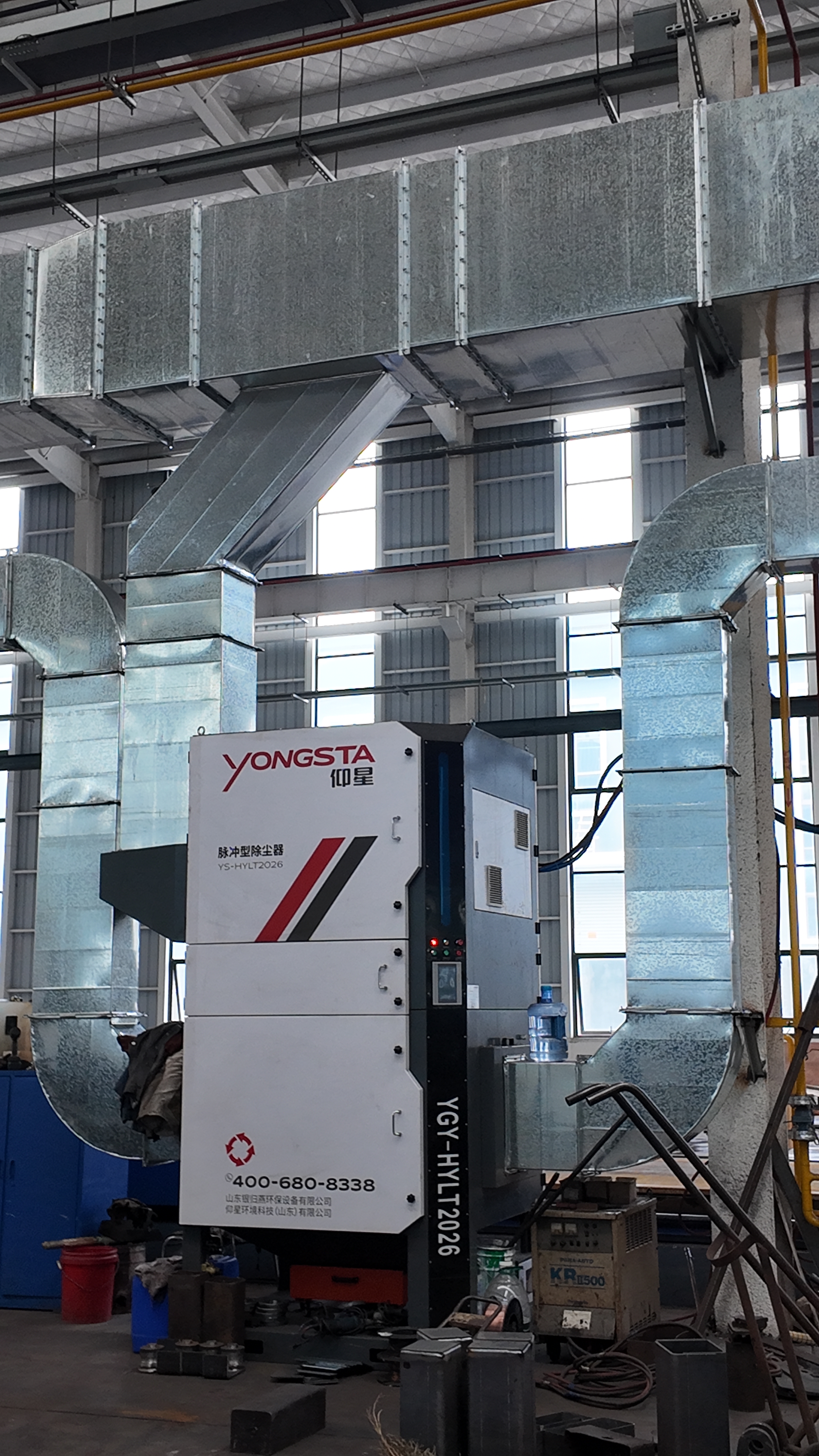
Workshop environments filled with machining, metalworking, and precision manufacturing generate persistent oily smoke and greasy airborne particles that compromise both air quality and worker health. An Oil Fume Purifier addresses this challenge by capturing oil mist, smoke, and particulate matter through engineered filtration stages that prevent grease buildup while maintaining consistent workshop air clarity. Understanding how an Oil Fume Purifier operates reveals the sophisticated mechanical and chemical processes that transform contaminated workshop air into clean, breathable environments where precision work can proceed safely.
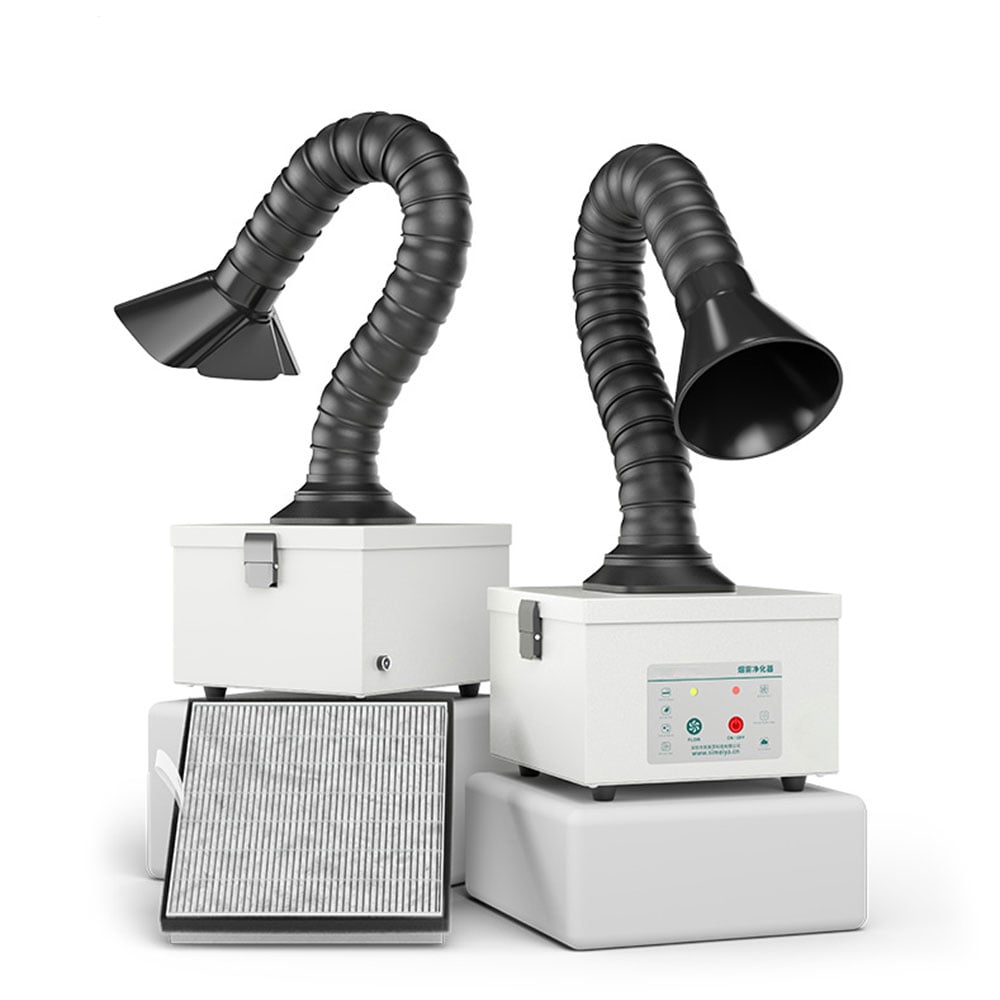
The mechanics of an Oil Fume Purifier involve several integrated stages that work sequentially to remove grease particles, smoke residue, and odor from workshop air. Each stage of the Oil Fume Purifier targets specific particle sizes and chemical compounds, ensuring comprehensive air treatment rather than surface-level filtration that leaves residual contamination. Workshop operators who implement an Oil Fume Purifier system gain consistent air quality, reduced maintenance intervals, and measurable improvements in both worker comfort and equipment longevity.
How Oil Fume Purifier Multi-Stage Filtration Works
Pre-Filtration and Coarse Particle Capture
An Oil Fume Purifier begins its cleaning process with a pre-filtration stage designed to catch large particulate matter and visible smoke before air reaches sensitive filtration media. This initial stage typically employs a mesh or electrostatic pre-filter that captures particles larger than 10 microns, including metal chips, dust aggregates, and coarse oil droplets. The Oil Fume Purifier's pre-filter prevents rapid clogging of downstream filters, extending the operational life of the entire system and reducing overall maintenance frequency.
The pre-filtration stage of an Oil Fume Purifier is often cleanable or replaceable without system shutdown, allowing operators to perform routine maintenance during natural production breaks. By removing the largest particle fraction first, the Oil Fume Purifier protects its core filtration media from accelerated degradation, which would otherwise necessitate frequent replacement cycles and increased operational costs.
HEPA and Oil-Specific Micro-Filtration
Following pre-filtration, the Oil Fume Purifier employs high-efficiency particulate air (HEPA) or oil-specific micro-filter cartridges rated to capture particles as small as 0.3 microns with 99.97% efficiency. These filter elements within the Oil Fume Purifier are engineered with materials that repel oil while trapping particulates, preventing the greasy residue from saturating the filter matrix and causing premature blockage. An Oil Fume Purifier using this dual-action micro-filtration stage achieves workshop air quality that meets industrial hygiene standards without requiring constant filter replacement.
The oil-repellent properties of an Oil Fume Purifier's micro-filter extend cartridge life significantly compared to standard mechanical filters alone. Workshop operators using an Oil Fume Purifier notice that even during extended shifts with heavy machining activity, the system maintains consistent airflow and suction performance, indicating that the Oil Fume Purifier's filtration media remains uncompromised by oil accumulation.
Activated Carbon and Odor Elimination in Oil Fume Purifier Systems
Chemical Absorption of Volatile Organic Compounds
Many Oil Fume Purifier designs include an activated carbon stage that targets volatile organic compounds (VOCs) and residual odors produced by heated oils and metalworking fluids. The porous structure of activated carbon within an Oil Fume Purifier provides millions of microscopic chambers where VOC molecules adsorb onto the carbon surface, effectively removing chemical odors that mechanical filtration alone cannot eliminate. An Oil Fume Purifier equipped with adequate activated carbon staging ensures that workshop air remains fresh and odor-free, improving workplace comfort and reducing headaches and respiratory irritation among staff.
The thickness and activation level of carbon media in an Oil Fume Purifier determine how long the system can operate before requiring carbon replacement. Industrial workshops with heavy oil mist concentrations benefit from Oil Fume Purifier models featuring replaceable carbon cartridges, allowing scheduled maintenance that keeps odor control effective without system replacement or extended downtime.
Washable Filter Technologies in Advanced Oil Fume Purifier Models
Some advanced Oil Fume Purifier systems incorporate washable filter stages coated with hydrophobic polymers that allow water rinsing without degrading filtration performance. These Oil Fume Purifier washable filters can be restored to near-original efficiency through periodic cleaning, dramatically reducing the long-term cost of consumable filter replacement. Workshops using Oil Fume Purifier models with washable technology report 40–60% reductions in annual filter replacement expenses compared to traditional disposable-only systems.
The washable components of an Oil Fume Purifier allow operators to maintain consistent performance during budget cycles when filter purchasing might otherwise be delayed. By choosing an Oil Fume Purifier with washable elements, workshop managers achieve predictable operating costs and reduce inventory complexity associated with tracking multiple filter part numbers.
Environmental and Health Benefits of Using an Oil Fume Purifier
Worker Health and Safety Improvements
Exposure to oil mist and machining fumes poses documented respiratory health risks including occupational asthma, bronchitis, and chronic obstructive pulmonary disease (COPD) in manufacturing environments. An Oil Fume Purifier removes airborne oil particles and VOCs that cause these conditions, creating a healthier workshop environment where employees experience fewer respiratory complaints, reduced absenteeism, and improved long-term health outcomes. Workers in shops equipped with an Oil Fume Purifier report subjective improvements in breathing comfort and reduced end-of-shift fatigue related to air quality.
The health case for an Oil Fume Purifier extends beyond immediate comfort to long-term occupational health compliance and liability risk reduction. Regulatory agencies increasingly monitor workplace air quality standards, and facilities implementing an Oil Fume Purifier demonstrate proactive safety commitment that reduces regulatory scrutiny and potential fines for inadequate air management.
Equipment Maintenance and Facility Cleanliness
Oil mist that remains in workshop air settles on machinery, electronics, and facility surfaces, accelerating corrosion, increasing maintenance intervals, and reducing equipment lifespan. An Oil Fume Purifier prevents this contamination buildup, keeping machine tools, electrical cabinets, and work surfaces cleaner and extending the operational life of capital equipment. Shops using an Oil Fume Purifier report that CNC machines, control systems, and auxiliary equipment require fewer cleaning interventions and maintain consistent performance longer than facilities without active air purification.
The facility cleanliness impact of an Oil Fume Purifier reduces janitorial labor costs and minimizes production downtime associated with cleaning-related maintenance schedules. Workshop managers appreciate that an Oil Fume Purifier provides measurable return on investment through extended machine life and reduced unplanned maintenance events.
FAQ
Can an Oil Fume Purifier handle continuous 24-hour operation in high-volume machining shops?
Yes, industrial-grade Oil Fume Purifier systems are engineered for continuous operation and feature robust motors, thermal management, and filter staging designed to handle consistent high-volume air processing. The Oil Fume Purifier's multi-stage design ensures that even under continuous duty, filtration performance remains consistent and filter replacement intervals remain economically viable. High-capacity Oil Fume Purifier models with remote monitoring can alert operators to maintenance needs before performance degradation occurs.
How often should I replace filters in an Oil Fume Purifier?
Filter replacement frequency in an Oil Fume Purifier depends on workshop oil mist density, filtration stage type, and operational hours. Standard Oil Fume Purifier disposable filters typically require replacement every 3–6 months in moderate-use shops, while washable Oil Fume Purifier filters may need rinsing monthly with replacement only annually. Most Oil Fume Purifier systems include differential pressure indicators that signal when filters require maintenance, simplifying scheduling and preventing unexpected performance loss.
Does an Oil Fume Purifier require special installation or can it integrate with existing workshop ventilation?
Most Oil Fume Purifier units operate as standalone systems with flexible ductwork connections, allowing installation in existing workshops without major infrastructure modification. An Oil Fume Purifier can be positioned near primary machining areas or integrated into existing exhaust ducting depending on shop layout and air volume requirements. Mobile Oil Fume Purifier models offer particular flexibility, allowing repositioning as workshop needs evolve or production equipment is rearranged.

