Portable Welding Ventilation System - Mobile Fume Extraction Solutions for Safer Welding Environments

Get a Free Quote

Our representative will contact you soon.
Email
Name
Company Name
Message
0/1000

portable welding ventilation system

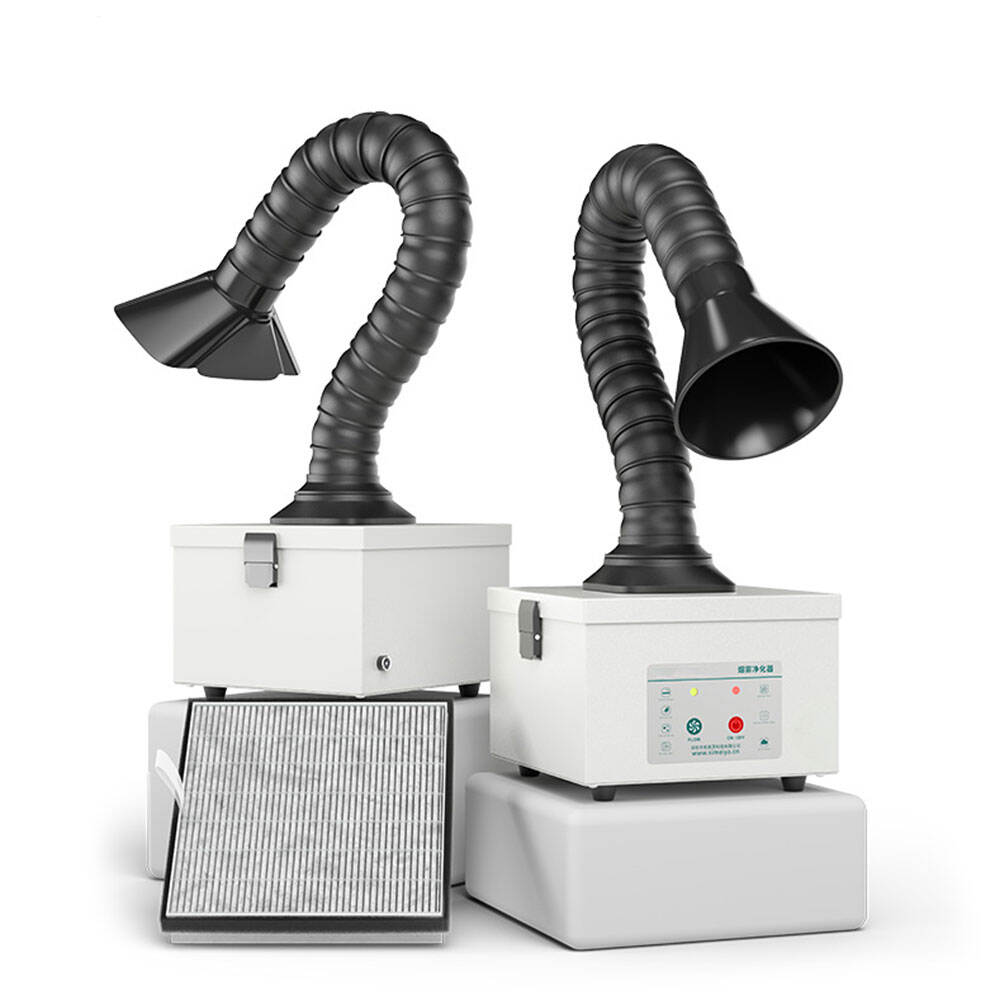
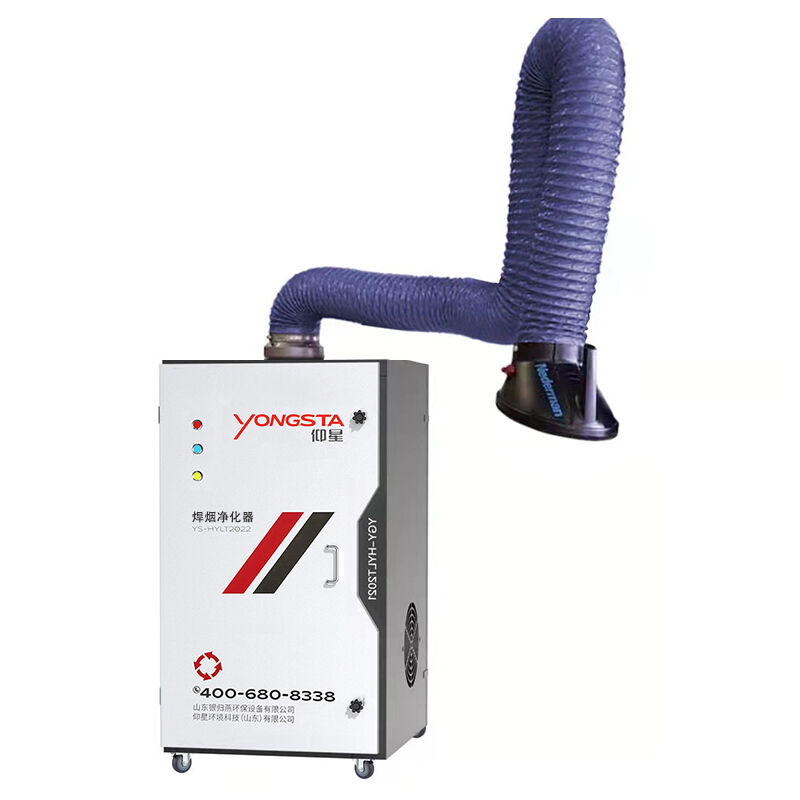
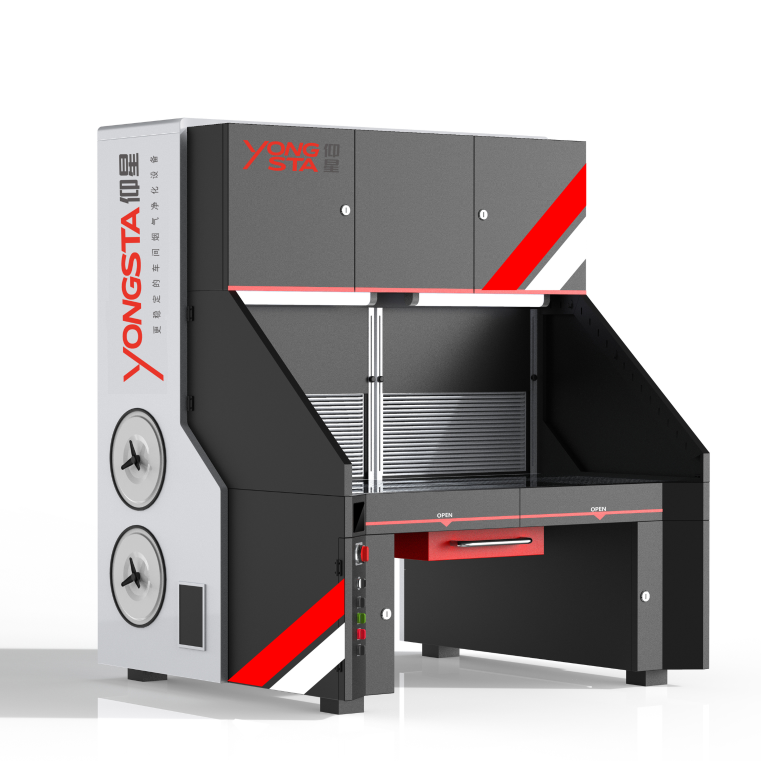
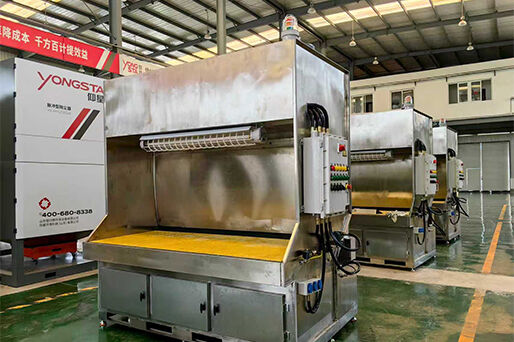
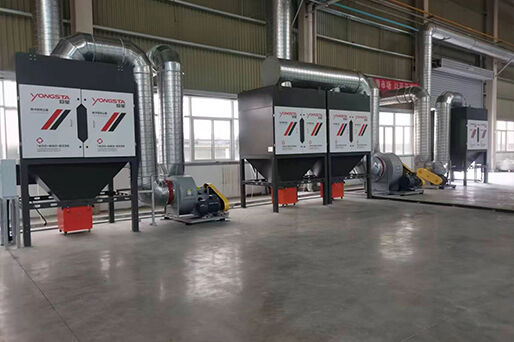
A portable welding ventilation system represents an essential safety solution designed to protect workers from hazardous fumes, gases, and particulate matter generated during welding operations. This mobile air filtration equipment captures contaminants at their source, preventing them from dispersing throughout the workspace and entering workers' breathing zones. The system typically consists of a powerful extraction unit mounted on wheels or casters, flexible suction arms or hoods that can be positioned near the welding point, and multi-stage filtration components that remove harmful particles and gases from the air. Modern portable welding ventilation systems incorporate advanced filter technology, including pre-filters for large particles, HEPA filters for fine particulates, and activated carbon filters for gas and odor removal. The mobility aspect allows operators to move the unit between different workstations, job sites, or production areas without requiring permanent installation or complex ductwork. These systems serve various welding processes, including MIG, TIG, stick welding, and plasma cutting, each producing different types and volumes of contaminants. The extraction capacity ranges from compact units suitable for light-duty applications to industrial-grade systems capable of handling multiple welding stations simultaneously. Many models feature variable speed controls, allowing operators to adjust suction power based on the specific welding process and material being worked. The portability factor makes these systems particularly valuable for fabrication shops, maintenance facilities, construction sites, and any environment where welding locations change frequently. By maintaining clean air quality, these systems help companies comply with occupational health and safety regulations while protecting their workforce from both immediate respiratory irritation and long-term health consequences associated with welding fume exposure. The investment in a portable welding ventilation system demonstrates a commitment to worker safety and can reduce absenteeism, improve productivity, and minimize potential liability issues related to workplace air quality.

New Products

Investing in a portable welding ventilation system delivers immediate and measurable benefits that impact both worker health and operational efficiency. The primary advantage centers on protecting employees from dangerous welding fumes that contain metal oxides, fluorides, and other toxic compounds. When workers breathe cleaner air, they experience fewer respiratory problems, reduced eye irritation, and less fatigue during their shifts. This protection translates directly into better attendance records and lower healthcare costs for employers. The mobility of these systems provides flexibility that fixed ventilation cannot match. Workers can quickly reposition the extraction arm or hood to capture fumes exactly where they form, ensuring maximum effectiveness regardless of the welding angle or position. This adaptability proves especially valuable in dynamic work environments where projects change daily and welding occurs in different locations throughout the facility. Companies avoid the substantial expense and disruption of installing permanent ductwork while maintaining the same level of air quality control. Another significant advantage involves regulatory compliance. Occupational safety agencies worldwide enforce strict limits on airborne contaminant exposure, and violations can result in hefty fines, work stoppages, and legal complications. A properly functioning portable welding ventilation system helps businesses meet these requirements consistently, providing documentation of their commitment to maintaining safe working conditions. The systems also improve overall workplace cleanliness by preventing fume and dust accumulation on equipment, walls, and floors, which reduces cleaning time and maintenance costs. From a productivity standpoint, welders working in clean air environments maintain better concentration and precision throughout their shifts. They can see their work more clearly without smoke obscuring their vision, leading to higher quality welds and fewer defects that require rework. The quiet operation of modern units minimizes noise distractions, further supporting focus and accuracy. Energy efficiency represents another practical benefit, as these systems consume less power than building-wide ventilation solutions while delivering targeted extraction exactly where needed. The initial investment typically pays for itself through reduced insurance premiums, lower worker compensation claims, decreased absenteeism, and improved production quality. Many units feature easy-maintenance designs with accessible filters and clear replacement indicators, minimizing downtime and keeping operational costs predictable. For businesses that perform welding at customer sites or in the field, portable systems provide a professional appearance while demonstrating a serious approach to safety that can differentiate them from competitors who neglect proper fume extraction.

Tips And Tricks

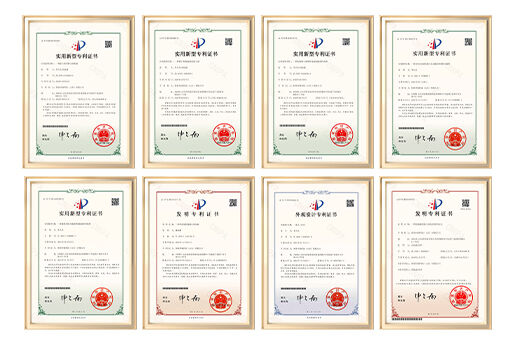
Yongsta R&D Team Wins 3 Dust Removal Technology Patents, Leading Industry Innovation

09

Apr

Yongsta R&D Team Wins 3 Dust Removal Technology Patents, Leading Industry Innovation

View More
Yongsta Cooperates with TUV for ATEX Explosion-Proof Certification, Explosion-Proof Dust Collector to Be Launched Soon

09

Apr

Yongsta Cooperates with TUV for ATEX Explosion-Proof Certification, Explosion-Proof Dust Collector to Be Launched Soon

View More
Empowering Benchmark Manufacturing! Yongsta Cartridge Dust Collector Aids Siemens Transformer China Factory's Dust Removal Renovation and Gains High Recognition

09

Apr

Empowering Benchmark Manufacturing! Yongsta Cartridge Dust Collector Aids Siemens Transformer China Factory's Dust Removal Renovation and Gains High Recognition

View More

Get a Free Quote

Our representative will contact you soon.
Email
Name
Company Name
Message
0/1000

portable welding ventilation system

Advanced Multi-Stage Filtration Technology Ensures Maximum Contaminant Removal

Advanced Multi-Stage Filtration Technology Ensures Maximum Contaminant Removal

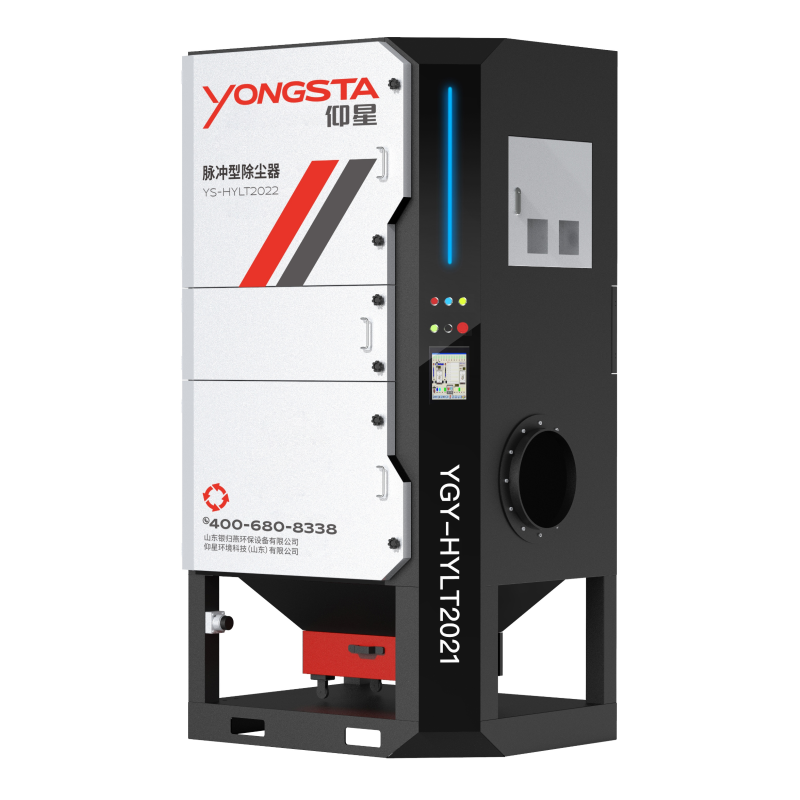
The filtration system within a portable welding ventilation system represents the critical component that determines its effectiveness in protecting worker health. Modern units employ a sophisticated multi-stage approach that addresses different types and sizes of contaminants produced during welding operations. The first stage typically uses a pre-filter or spark arrestor that captures large particles and prevents hot sparks from reaching the main filtration media, extending filter life and preventing fire hazards. This initial barrier removes the bulk of visible smoke and larger particulates, allowing subsequent stages to focus on finer contaminants. The second stage usually incorporates a high-efficiency particulate air filter, commonly known as a HEPA filter, which captures microscopic particles as small as 0.3 microns with an efficiency rating of 99.97 percent or higher. This level of filtration proves essential because welding fumes contain ultrafine particles that can penetrate deep into lung tissue and cause serious health problems over time. These particles include metal oxides from the base material and filler metals, which vary depending on whether workers are welding steel, stainless steel, aluminum, or other alloys. The third stage often features activated carbon filtration designed to adsorb gases, vapors, and odors that pass through the particulate filters. Welding processes generate various gaseous contaminants, including ozone from arc welding, carbon monoxide, nitrogen oxides, and volatile organic compounds from coatings or surface contaminants on the metal. The activated carbon media chemically bonds with these molecules, preventing them from recirculating into the workspace. Some advanced portable welding ventilation systems include additional specialized filters for specific applications, such as acid gas filters for stainless steel welding or combination filters that address multiple contaminant types simultaneously. The filter housing design ensures proper airflow distribution across the entire filter surface, maximizing capacity and preventing channeling that would reduce effectiveness. Many systems incorporate filter monitoring technology that tracks pressure differential or operating hours, alerting operators when filters require replacement to maintain optimal performance. This monitoring prevents the common problem of operating with saturated filters that no longer provide adequate protection. The quality of filtration directly impacts both immediate worker comfort and long-term health outcomes, making this feature a cornerstone of any effective portable welding ventilation system.
Flexible Positioning and Mobility Enable Optimal Fume Capture Across Diverse Applications

Flexible Positioning and Mobility Enable Optimal Fume Capture Across Diverse Applications

The defining characteristic of a portable welding ventilation system lies in its ability to move freely throughout a facility and position extraction points precisely where fumes generate. This mobility transforms how businesses approach welding safety, eliminating the constraints of fixed ventilation infrastructure. The system typically mounts on heavy-duty casters or wheels that allow smooth movement across shop floors, even when fully loaded with filters and equipment. Locking mechanisms secure the unit in place during operation, preventing unwanted movement while maintaining stability. The extraction arms or hoods attached to these systems feature articulating joints and flexible ducting that enable positioning in virtually any orientation. Operators can extend the arm several feet from the main unit, rotate it horizontally through a full circle, and adjust the vertical angle to match their welding position. This three-dimensional adjustability ensures the capture hood can be placed within the optimal distance from the welding arc, typically between 6 to 12 inches, where it achieves maximum fume capture efficiency. The extraction hood design itself contributes significantly to performance, with various configurations available for different applications. Some hoods feature wide openings for general welding tasks, while others use narrow, focused designs for precision work or confined spaces. Magnetic bases allow quick attachment to steel workpieces, keeping the hood stable and properly positioned without requiring an operator to hold it. The flexible ducting connecting the hood to the main unit resists kinking and maintains consistent airflow even when bent around obstacles or extended to maximum length. This flexibility proves invaluable in fabrication environments where workpiece size, shape, and position vary constantly. A welder working on a large structural component can position the portable welding ventilation system on one side, extend the arm over the top, and capture fumes from the opposite side without moving the main unit. When the job changes, repositioning takes seconds rather than the hours required to modify fixed ductwork. The compact footprint of most portable units allows them to fit into crowded work areas where space is limited, and their mobility means they can be stored out of the way when not in use. For businesses that operate multiple shifts or have welding stations that are not continuously active, a single portable welding ventilation system can serve several locations throughout the day, maximizing return on investment. This versatility extends to field applications where welding occurs at customer sites, in remote locations, or on construction projects where permanent ventilation is impossible to install.
User-Friendly Operation and Low Maintenance Requirements Maximize Uptime and Efficiency

User-Friendly Operation and Low Maintenance Requirements Maximize Uptime and Efficiency

A portable welding ventilation system delivers value only when it operates reliably and requires minimal intervention from workers who need to focus on their welding tasks. Modern systems prioritize ease of use through intuitive controls and automated features that eliminate complexity. Most units feature simple on-off switches or variable speed dials that allow operators to adjust suction power based on the welding process intensity. Higher amperage welding or processes that generate more fumes require stronger extraction, while lighter work can use reduced power to save energy and extend filter life. Some advanced models include automatic start-stop functionality that activates the system when welding begins and shuts it down during idle periods, ensuring consistent protection without requiring the operator to remember to turn the unit on. Digital displays provide real-time information about system status, including airflow rate, filter condition, and operating hours, giving operators confidence that the equipment is functioning properly. The maintenance requirements of a portable welding ventilation system directly impact its total cost of ownership and operational reliability. Manufacturers design these systems with accessibility in mind, placing filters in locations that allow quick removal and replacement without tools or technical expertise. Filter change indicators use pressure sensors or timer-based algorithms to alert operators before filtration efficiency degrades, preventing situations where workers breathe contaminated air because filters have become saturated. The filter replacement process typically involves opening a hinged door or removing a few fasteners, sliding out the old filter, and inserting a new one, taking just minutes to complete. This simplicity encourages regular maintenance and prevents the neglect that often occurs with complex systems. The durability of components also contributes to low maintenance requirements, with motors, fans, and housings built to withstand the harsh conditions of welding environments, including heat, sparks, and metal dust. Many portable welding ventilation systems use brushless motors that require no periodic service and deliver years of reliable operation. The electrical components are typically sealed against dust ingress, preventing failures caused by particulate contamination. Wheels and casters receive similar attention to durability, with heavy-duty construction and sealed bearings that roll smoothly even after extended use. The noise level of operation affects user acceptance and compliance, as excessively loud systems may be turned off by workers who find them distracting. Quality portable welding ventilation systems incorporate sound-dampening materials and aerodynamic fan designs that minimize operational noise while maintaining strong suction power. This quiet operation allows normal conversation and does not interfere with the concentration required for precision welding. The combination of user-friendly operation and minimal maintenance requirements ensures that a portable welding ventilation system becomes a seamlessly integrated part of the welding workflow rather than a burden that workers try to avoid.

Get a Free Quote

Our representative will contact you soon.
Email
Name
Company Name
Message
0/1000
email goToTop