Professional Dust Extraction Workbench for Grinding - Clean, Safe, Efficient Metalworking Solutions

Get a Free Quote

Our representative will contact you soon.
Email
Name
Company Name
Message
0/1000

dust extraction workbench for grinding

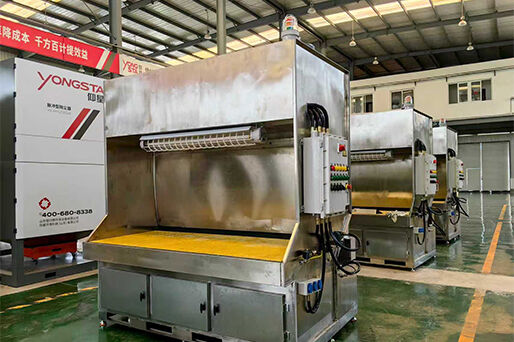
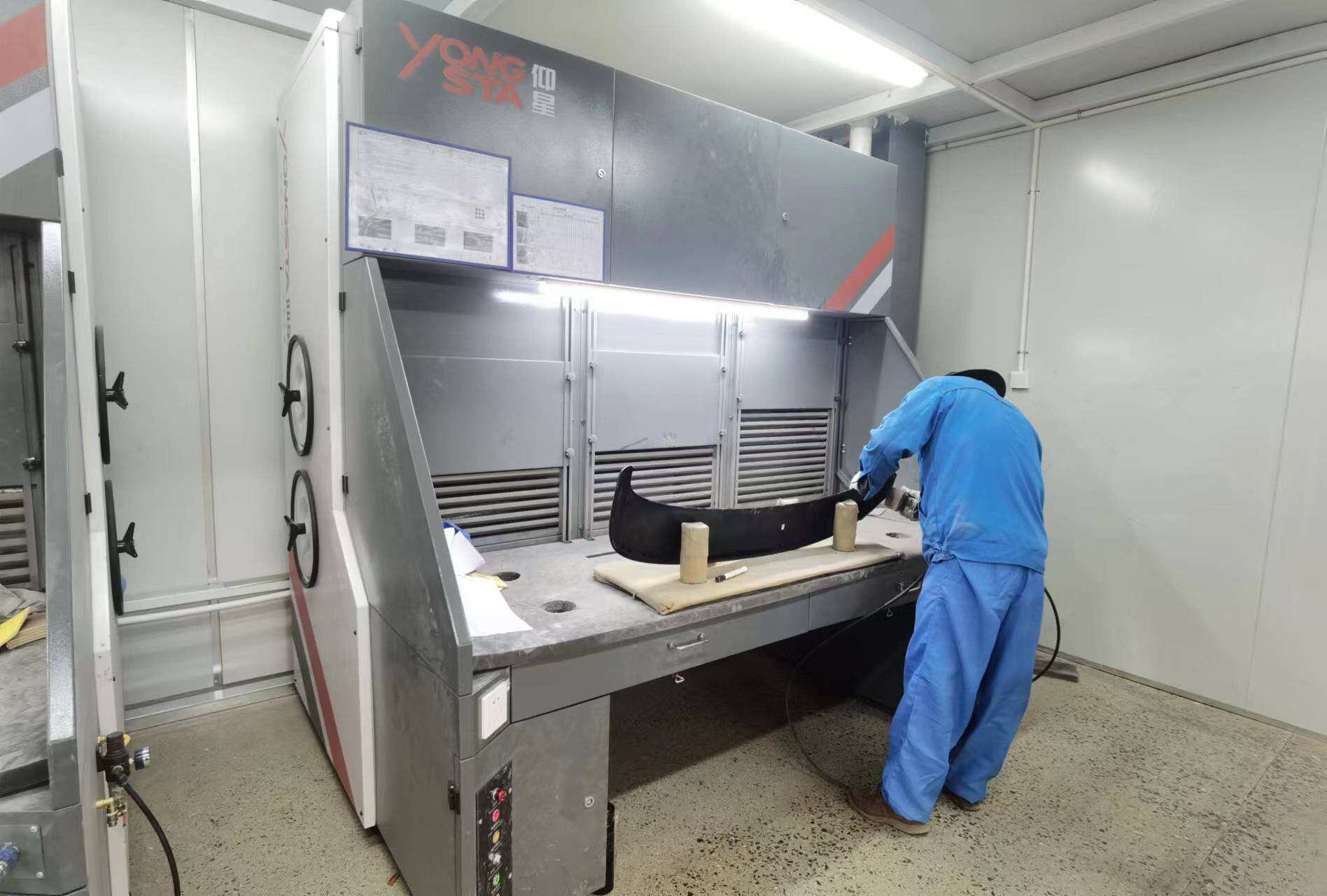
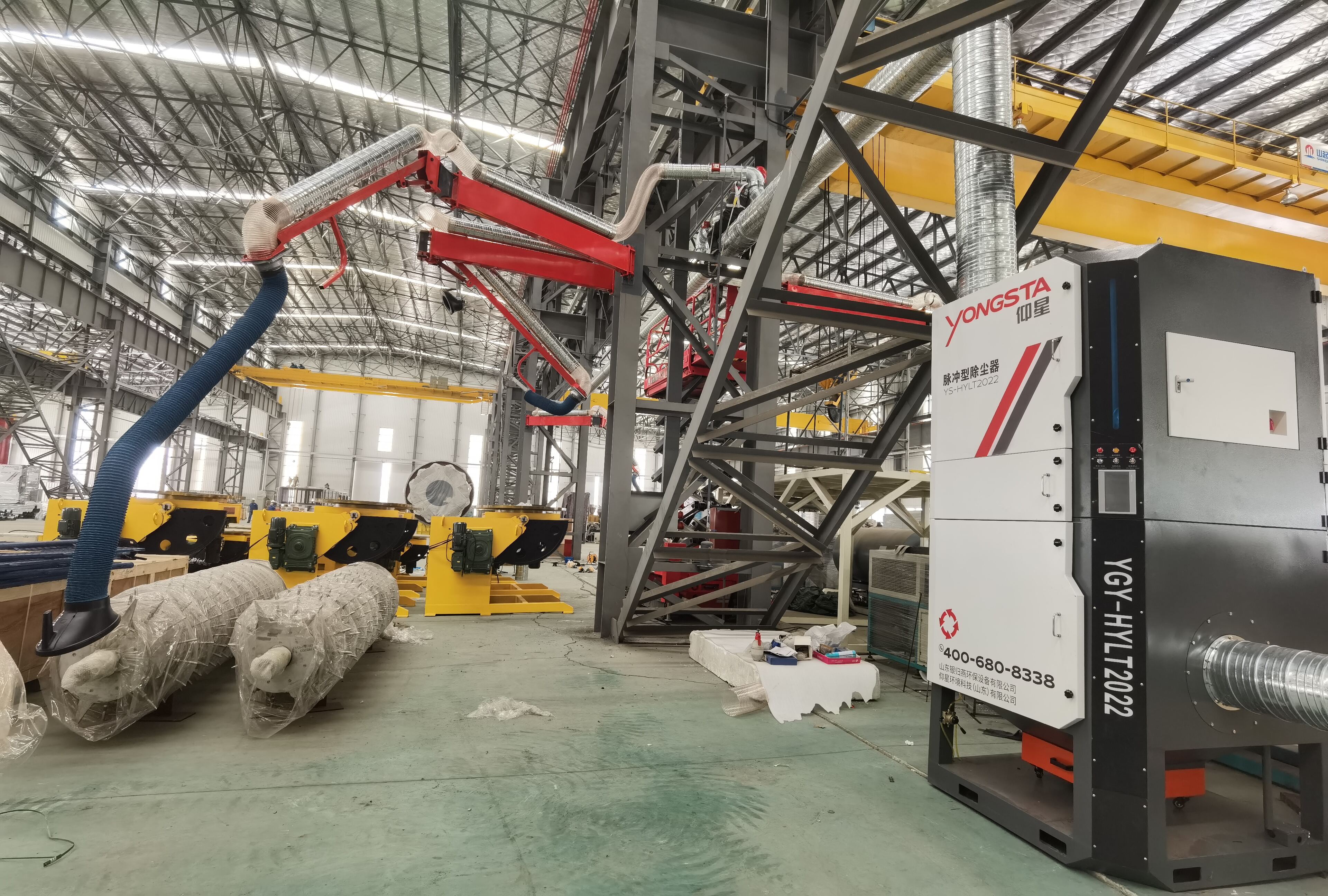
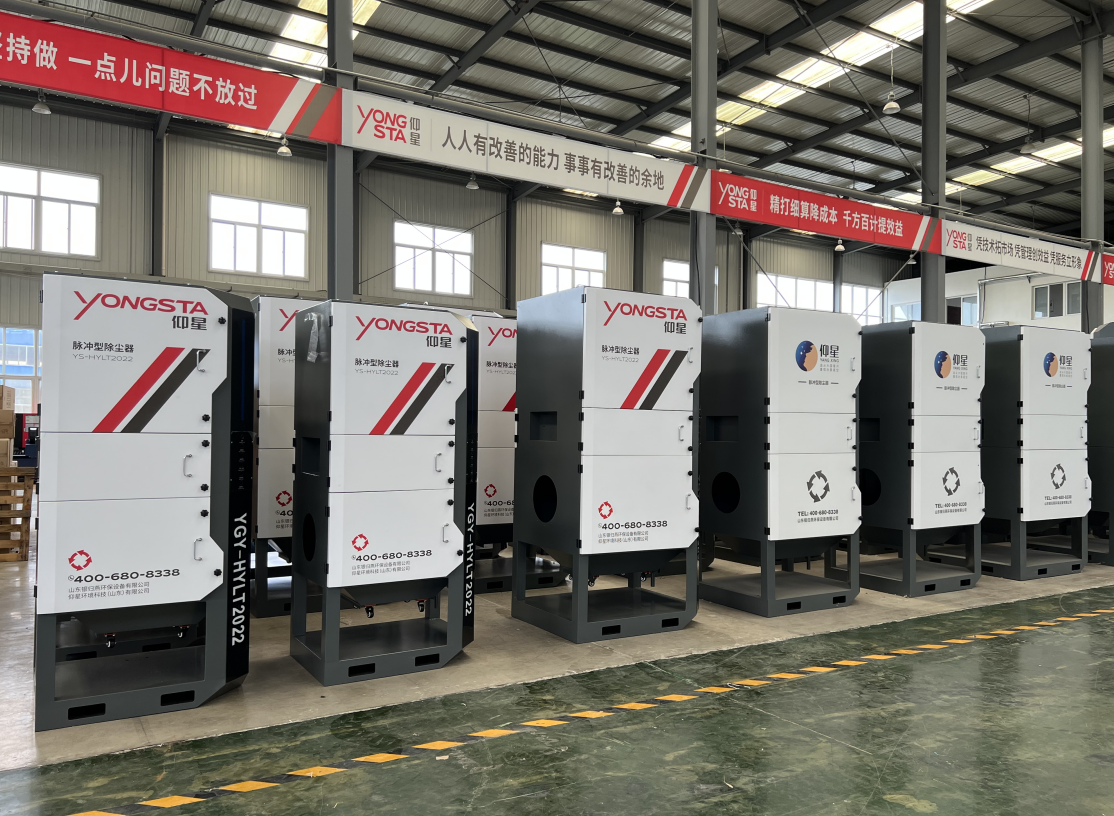
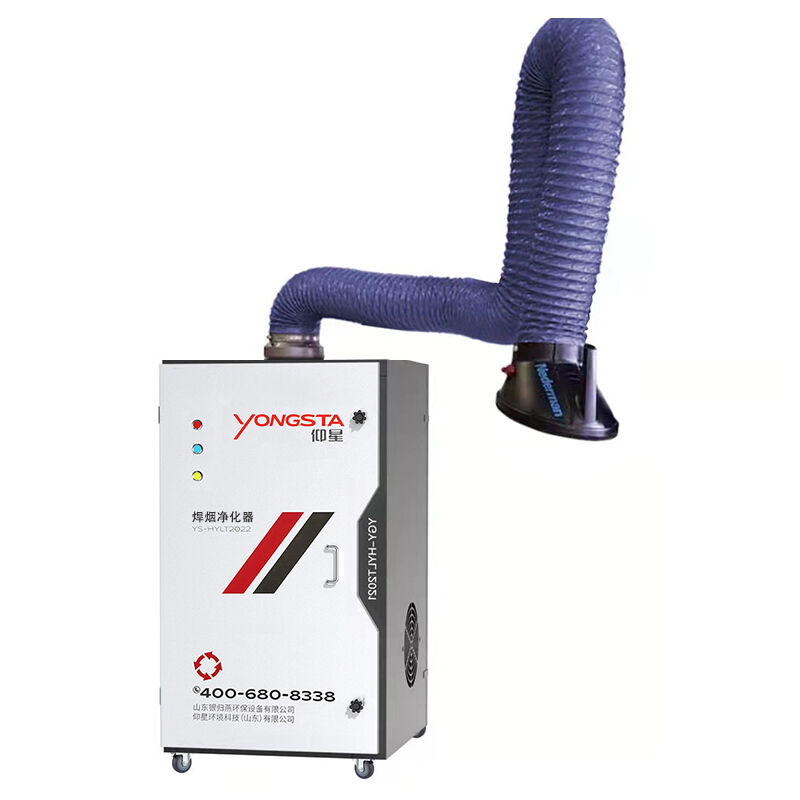
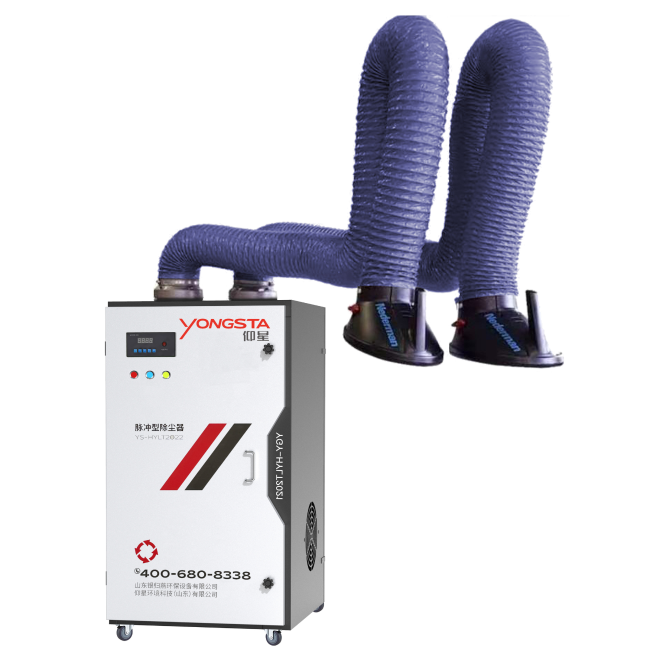
A dust extraction workbench for grinding represents an essential piece of equipment designed to maintain clean and safe working environments during metal fabrication, woodworking, and various industrial grinding operations. This specialized workstation integrates a robust work surface with an advanced filtration system that captures airborne particles, metal shavings, and hazardous dust generated during grinding processes. The dust extraction workbench for grinding combines ergonomic design principles with powerful suction capabilities to remove contaminants at their source, preventing them from dispersing throughout the workspace. Modern dust extraction workbenches for grinding feature adjustable airflow controls, allowing operators to customize suction power based on the specific grinding task at hand. These workstations typically incorporate perforated work surfaces or downdraft tables that pull contaminated air downward through filtration media, trapping particles before releasing clean air back into the environment. The technological framework of a dust extraction workbench for grinding includes high-efficiency particulate air filters, pre-filters for larger debris, and sometimes activated carbon filters for odor control. Many models offer modular configurations that accommodate different workpiece sizes and grinding equipment types. The applications for dust extraction workbenches for grinding span multiple industries, including automotive repair shops, metal fabrication facilities, aerospace manufacturing plants, tool and die shops, and custom furniture workshops. These workstations prove particularly valuable when grinding materials that produce toxic dust, such as stainless steel, aluminum, composite materials, or treated woods. The dust extraction workbench for grinding serves as a critical component in occupational health programs, helping facilities comply with air quality regulations and workplace safety standards while simultaneously improving visibility and precision during grinding operations.

New Products

Investing in a dust extraction workbench for grinding delivers immediate improvements to workplace safety by removing harmful particles before workers can inhale them. This proactive approach to air quality management reduces the risk of respiratory illnesses, allergic reactions, and long-term health complications associated with prolonged exposure to grinding dust. Workers experience better visibility during precision grinding tasks because the dust extraction workbench for grinding eliminates the clouds of particles that typically obscure the work area. This enhanced visibility translates directly into higher quality finished products and fewer errors that require rework. The dust extraction workbench for grinding also protects expensive machinery and equipment from abrasive dust accumulation that can cause premature wear and mechanical failures. By capturing contaminants at the source, these workstations reduce the frequency and cost of facility-wide cleaning operations, allowing maintenance staff to focus on more productive activities. Companies that implement dust extraction workbenches for grinding often notice improved employee morale and retention, as workers appreciate the commitment to their health and comfort. The enclosed or semi-enclosed design of many dust extraction workbenches for grinding helps contain sparks and hot particles, reducing fire hazards in facilities that work with flammable materials. These workstations contribute to regulatory compliance by helping businesses meet occupational exposure limits established by safety agencies, thereby avoiding costly fines and potential litigation. The dust extraction workbench for grinding operates quietly compared to traditional grinding booths, creating a more pleasant acoustic environment that reduces worker fatigue and stress. Energy efficiency represents another significant advantage, as modern dust extraction workbenches for grinding use variable speed motors that adjust power consumption based on actual demand. The compact footprint of most dust extraction workbenches for grinding makes them suitable for facilities with limited floor space, maximizing the utility of every square foot. Businesses can customize their dust extraction workbench for grinding with accessories like adjustable work heights, integrated tool storage, and specialized clamping systems that enhance productivity. The return on investment for a dust extraction workbench for grinding typically materializes within months through reduced absenteeism, lower insurance premiums, decreased cleaning costs, and improved production efficiency.

Tips And Tricks

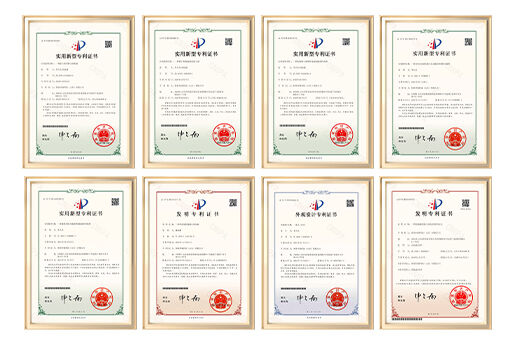
Yongsta R&D Team Wins 3 Dust Removal Technology Patents, Leading Industry Innovation

09

Apr

Yongsta R&D Team Wins 3 Dust Removal Technology Patents, Leading Industry Innovation

View More
Yongsta Cooperates with TUV for ATEX Explosion-Proof Certification, Explosion-Proof Dust Collector to Be Launched Soon

09

Apr

Yongsta Cooperates with TUV for ATEX Explosion-Proof Certification, Explosion-Proof Dust Collector to Be Launched Soon

View More
Empowering Benchmark Manufacturing! Yongsta Cartridge Dust Collector Aids Siemens Transformer China Factory's Dust Removal Renovation and Gains High Recognition

09

Apr

Empowering Benchmark Manufacturing! Yongsta Cartridge Dust Collector Aids Siemens Transformer China Factory's Dust Removal Renovation and Gains High Recognition

View More

Get a Free Quote

Our representative will contact you soon.
Email
Name
Company Name
Message
0/1000

dust extraction workbench for grinding

Advanced Filtration Technology That Protects Worker Health

Advanced Filtration Technology That Protects Worker Health

The filtration system integrated into a dust extraction workbench for grinding represents the cornerstone of its protective capabilities, employing multiple stages of particle capture to ensure comprehensive air purification. The primary filtration stage typically consists of a pre-filter or cyclonic separator that removes larger particles and metal shavings, preventing them from clogging the more delicate downstream filters. This initial separation extends the lifespan of expensive HEPA filters while maintaining consistent airflow throughout the grinding process. The secondary filtration stage in a dust extraction workbench for grinding usually features high-efficiency particulate air filters capable of capturing particles as small as 0.3 microns with efficiency ratings exceeding 99.97 percent. This level of filtration proves essential when grinding materials that produce ultrafine particles, which pose the greatest health risks because they can penetrate deep into lung tissue. Some advanced dust extraction workbenches for grinding incorporate additional activated carbon filters that adsorb volatile organic compounds and odors generated during grinding operations involving coated or treated materials. The filter monitoring systems built into modern dust extraction workbenches for grinding provide real-time feedback on filter condition, alerting operators when replacement becomes necessary to maintain optimal performance. This proactive maintenance approach prevents the gradual degradation of air quality that occurs when filters become saturated. The dust extraction workbench for grinding achieves its remarkable particle capture rates through carefully engineered airflow patterns that create negative pressure zones directly at the grinding point. This localized extraction prevents contaminants from escaping into the broader workspace, even when operators work with particularly dusty materials or aggressive grinding techniques. The sealed construction of quality dust extraction workbenches for grinding ensures that captured particles remain contained within the filtration system, eliminating the risk of re-entrainment that plagues poorly designed extraction systems. Regular filter replacement on a dust extraction workbench for grinding represents a small investment compared to the medical costs and productivity losses associated with occupational respiratory diseases, making this technology an essential component of responsible workplace management.
Ergonomic Design That Enhances Productivity and Comfort

Ergonomic Design That Enhances Productivity and Comfort

The ergonomic considerations incorporated into a dust extraction workbench for grinding directly impact operator comfort, work quality, and long-term musculoskeletal health. Height-adjustable work surfaces allow operators to position their dust extraction workbench for grinding at the optimal level for their stature and the specific task requirements, reducing strain on the back, shoulders, and neck during extended grinding sessions. This adjustability proves particularly valuable in facilities where multiple operators with different physical dimensions share the same dust extraction workbench for grinding throughout various shifts. The work surface dimensions of a dust extraction workbench for grinding provide ample space for positioning workpieces securely while maintaining easy access to grinding tools and accessories. Perforated or slotted work surfaces on dust extraction workbenches for grinding allow air to flow evenly across the entire work area, ensuring consistent particle capture regardless of where the grinding occurs. Some dust extraction workbenches for grinding feature removable work surface panels that facilitate cleaning and maintenance while allowing operators to configure the workspace for specific projects. The strategic placement of controls on a dust extraction workbench for grinding ensures that operators can adjust suction power, activate the system, and monitor performance without interrupting their workflow or adopting awkward postures. Integrated lighting systems on advanced dust extraction workbenches for grinding illuminate the work area without creating glare or shadows that could compromise precision during detailed grinding operations. The sturdy construction of a quality dust extraction workbench for grinding minimizes vibration transmission from grinding tools, reducing operator fatigue and improving control during delicate operations. Anti-fatigue mats designed specifically for use with dust extraction workbenches for grinding provide additional comfort during prolonged standing work sessions. The accessibility of filter compartments and maintenance points on a dust extraction workbench for grinding allows technicians to perform routine servicing quickly and safely, minimizing downtime and ensuring consistent performance. Thoughtful cable management systems integrated into dust extraction workbenches for grinding prevent power cords and hoses from creating tripping hazards or interfering with work processes, contributing to overall workplace safety and efficiency.
Versatile Applications Across Multiple Industries and Materials

Versatile Applications Across Multiple Industries and Materials

The adaptability of a dust extraction workbench for grinding makes it an invaluable asset across diverse industrial sectors, each with unique material processing requirements and safety considerations. In automotive repair and restoration facilities, the dust extraction workbench for grinding excels at capturing metal particles generated during brake rotor resurfacing, rust removal, and body panel preparation. The ability to safely grind aluminum components without dispersing fine aluminum dust throughout the shop represents a critical safety feature, as aluminum dust poses both respiratory hazards and explosion risks in certain concentrations. Aerospace manufacturing operations rely on dust extraction workbenches for grinding when working with exotic alloys, titanium components, and composite materials that produce particularly hazardous dust. The precision required in aerospace applications demands the clear visibility that a dust extraction workbench for grinding provides by eliminating airborne particles that would otherwise obscure fine details and measurement marks. Woodworking shops utilize dust extraction workbenches for grinding when sharpening tools, sanding small components, and grinding hardwood pieces that produce allergenic dust from species like walnut, cedar, and exotic tropical woods. The dust extraction workbench for grinding proves equally effective with both ferrous and non-ferrous metals, adapting to the specific particle characteristics of each material through adjustable airflow settings. Tool and die makers depend on dust extraction workbenches for grinding during the precision grinding operations required to achieve tight tolerances on cutting tools, molds, and fixtures. The controlled environment provided by a dust extraction workbench for grinding enables these craftspeople to work with confidence, knowing that dust will not contaminate precision surfaces or measuring instruments. Educational institutions teaching metalworking and fabrication skills incorporate dust extraction workbenches for grinding into their training facilities, demonstrating proper safety practices to students while protecting them from occupational hazards. Custom knife makers and artisan metalworkers appreciate how a dust extraction workbench for grinding allows them to work with Damascus steel, high-carbon alloys, and other specialty materials without compromising their health or the cleanliness of their studios. The dust extraction workbench for grinding adapts seamlessly to both production environments requiring consistent repetitive grinding and custom fabrication shops handling diverse one-off projects with varying material types and grinding requirements.

Get a Free Quote

Our representative will contact you soon.
Email
Name
Company Name
Message
0/1000
email goToTop