
 EN



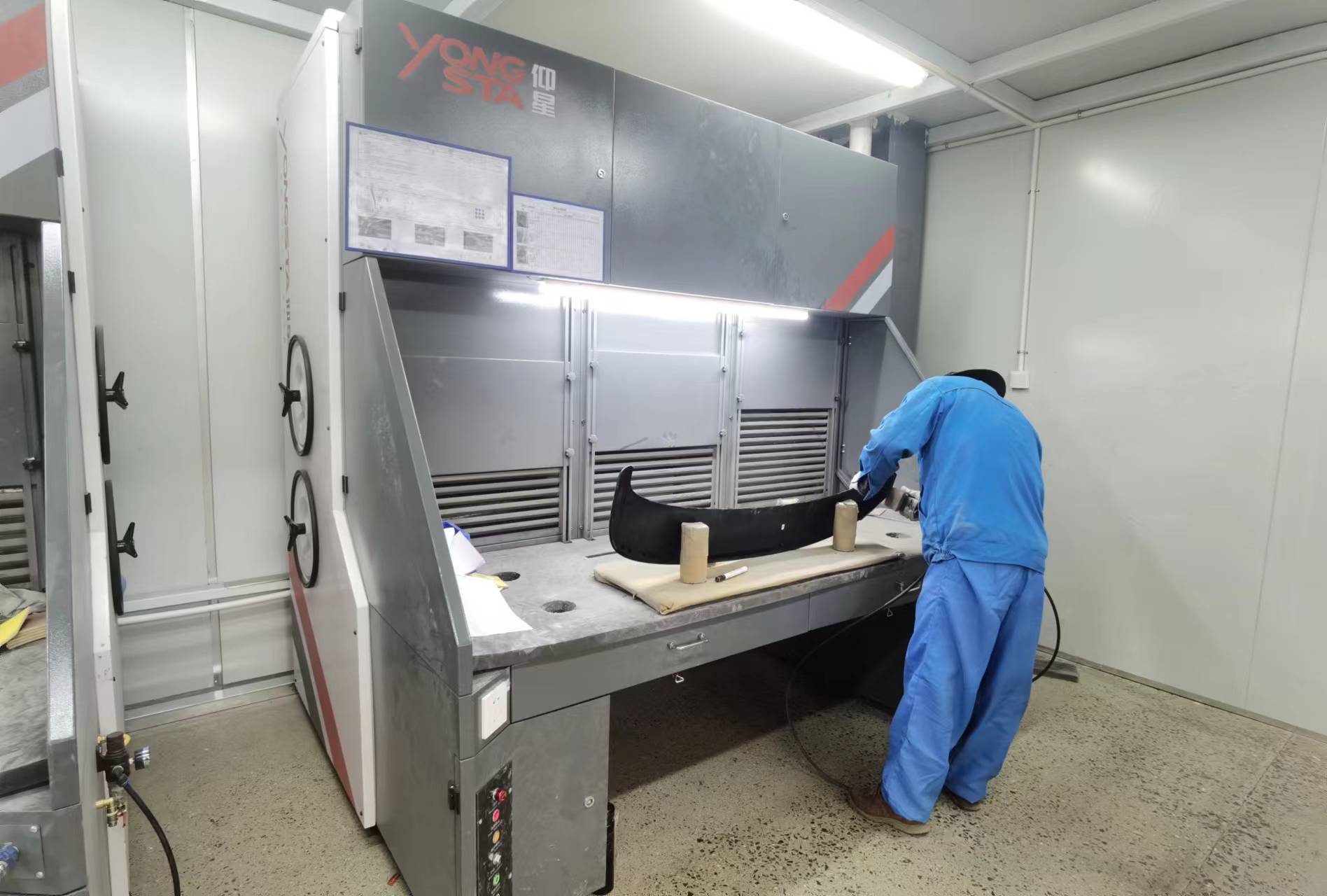
Selecting the right filter bench for your industrial workshop involves more than just considering initial cost or basic functionality. A filter bench that prioritizes ease of maintenance can dramatically reduce downtime, lower operational costs, and extend equipment lifespan. The difference between a demanding filter bench and one designed for simplicity often determines whether your team spends hours troubleshooting filters or managing routine tasks efficiently. This guide explores the critical factors that distinguish an easy-to-maintain filter bench from more complex alternatives, helping you make an informed decision that aligns with your workshop's workflow and staffing capabilities.

Every industrial workspace generates dust, fumes, and particulates that compromise air quality and worker safety. A filter bench removes these contaminants, but only when its maintenance needs stay manageable. The easiest-to-maintain filter bench balances powerful filtration with intuitive design, accessible components, and predictable service intervals. Understanding what makes one filter bench superior for maintenance purposes empowers you to invest in equipment that truly serves your long-term operational goals rather than becoming a burden on your maintenance team.
Key Design Features of Low-Maintenance Filter Bench Systems
Accessible Filter Cartridges and Quick-Change Technology
A filter bench becomes substantially easier to maintain when its filter cartridges are positioned for quick and safe removal. The best filter bench models feature cartridges that slide out horizontally or drop down vertically without requiring tools, disassembly, or awkward positioning. Look for filter bench designs that incorporate quick-disconnect fittings, which allow operators to replace filter elements in under five minutes. A superior filter bench also includes clear visual indicators—such as differential pressure gauges or color-coded lights—that signal exactly when replacement is needed, preventing both premature changes and extended use of clogged filters. When evaluating filter bench options, confirm that replacement cartridges are standardized, readily available, and cost-effective, as this directly impacts your total cost of ownership and maintenance frequency.
Integrated Cleaning and Pulse Systems
Modern filter bench technology often includes reverse-pulse or back-flush cleaning systems that extend filter life by automatically removing trapped dust without manual intervention. A filter bench equipped with a pulse cleaning mechanism can operate longer between cartridge replacements, reducing both maintenance labor and spare parts expenditure. The easiest-to-maintain filter bench features automatic pulse cycles that activate on a preset schedule or based on pressure readings, requiring minimal human oversight. Some advanced filter bench models include self-cleaning functionality that triggers when dust accumulation reaches a threshold, ensuring consistent airflow and performance without daily operator attention. When comparing filter bench systems, inquire whether the cleaning cycle is fully automatic or requires manual triggering, as fully automatic systems significantly reduce maintenance burden and prevent accidental neglect.
Operational Simplicity and Component Accessibility
Straightforward Control Systems and Monitoring
A filter bench that prioritizes ease of maintenance typically features intuitive control interfaces and comprehensive monitoring displays. The most user-friendly filter bench models use digital touchscreens or simple mechanical gauges that clearly communicate filter status, airflow rate, and maintenance alerts. Avoid overly complex filter bench systems that require specialized training or frequent troubleshooting—instead, prioritize a filter bench with standardized controls that any trained operator can manage. Effective monitoring on a quality filter bench includes real-time pressure differential readings, filter life predictions, and service reminders that prevent emergency breakdowns. When evaluating a filter bench, confirm that the manufacturer provides clear documentation, training materials, and responsive technical support, as these factors substantially influence how easily your team can operate and maintain the equipment.
Modular Construction and Replaceable Components
The most maintainable filter bench uses modular construction, where individual components—such as the motor, fan, housing sections, and ductwork connections—can be replaced independently without removing the entire unit. A filter bench with modular design simplifies troubleshooting and repairs, as technicians can isolate problems to specific components and address them directly. The best filter bench designs also feature corrosion-resistant materials and sealed construction that prevents dust contamination of internal mechanisms, reducing the frequency of deep cleaning or component replacement. When selecting a filter bench, verify that common wear parts such as gaskets, seals, and fan blades are standardized across the industry, allowing you to source replacements from multiple suppliers rather than being locked into expensive proprietary parts. A well-designed filter bench also includes drainage provisions and removable collection bins that make emptying accumulated dust a simple, hygienic procedure.
Total Cost of Ownership and Long-Term Maintenance Planning
Filter Element Availability and Cost Structure
The true maintenance burden of a filter bench extends far beyond initial purchase price—filter element costs, availability, and replacement frequency significantly impact your operating budget. The easiest-to-maintain filter bench uses industry-standard filter cartridges that remain available from multiple manufacturers, ensuring you never face supply shortages or inflated pricing from sole suppliers. Compare the filter bench models you're considering by calculating total cost of ownership over five years, including filter replacement cycles, expected electricity consumption, and anticipated repairs. A premium filter bench may cost more upfront but deliver substantial savings through extended filter life, lower energy consumption, and reduced downtime. Request detailed maintenance schedules and parts lists from manufacturers so you can accurately project long-term expenses and verify that the filter bench fits your budget constraints.
Manufacturer Support and Warranty Coverage
A filter bench is only as maintainable as the support you receive from its manufacturer. Select a filter bench from a supplier that offers comprehensive warranty coverage, readily available spare parts, and responsive technical assistance. The most reliable filter bench manufacturers provide detailed maintenance guides, training programs for your staff, and proactive notifications about service bulletins or component recalls. Verify that the filter bench manufacturer maintains a local parts depot or has established distribution channels that minimize delivery delays when urgent replacements are needed. Superior filter bench suppliers often offer preventive maintenance programs that include periodic inspections, performance optimization, and scheduled component replacement before failure occurs, ultimately reducing emergency repairs and unexpected downtime.
Real-World Maintenance Scenarios and Workflow Integration
Dust Collection and Disposal Efficiency
The ease of maintaining a filter bench also depends on how efficiently it collects and handles waste dust. The best filter bench designs include large-capacity collection bins or automated dust disposal systems that minimize the frequency of emptying procedures. Look for a filter bench with integrated vacuum ports or suction connections that allow you to remove collected dust without creating secondary contamination or requiring manual sweeping. A well-engineered filter bench also features sealed collection chambers that prevent leakage during transport and provide hygienic disposal without exposing workers to settled dust. Consider whether your filter bench will require frequent manual maintenance or can operate with minimal intervention, as this choice directly affects labor allocation and long-term cost efficiency.
Environmental Conditions and Filter Performance
Different industrial environments place varying demands on filter bench systems, influencing maintenance intensity and frequency. A filter bench designed for welding workshops faces heavier particulate loads than one serving light assembly operations, necessitating more robust cleaning cycles and potentially more frequent filter replacement. The most adaptable filter bench models include adjustable pulse settings or variable-speed motors that optimize performance based on actual dust generation rates. When selecting a filter bench for your specific industry, confirm that the system can handle your typical dust volume and composition without requiring modifications or adding supplementary components that complicate maintenance. A properly sized filter bench that matches your workshop's actual dust generation will operate more efficiently, require less frequent servicing, and deliver longer component lifespan.
FAQ
What makes one filter bench easier to maintain than another?
A filter bench becomes easier to maintain when it features quick-change cartridges, automatic cleaning systems, accessible components, intuitive controls, and standardized replacement parts. The best filter bench designs eliminate time-consuming disassembly procedures, use industry-standard materials, and provide clear maintenance indicators. A superior filter bench also comes from a manufacturer offering strong technical support, readily available parts, and comprehensive documentation that helps your team manage routine servicing independently without frequent external assistance.
How often should filter bench maintenance typically occur?
Filter bench maintenance frequency depends on dust generation rates, filter efficiency, and system design. Most filter bench systems require cartridge inspection monthly and replacement every three to six months under typical industrial use, though heavy-duty filter bench applications may need quarterly or even monthly replacement. An advanced filter bench with pulse cleaning technology can extend intervals significantly by automatically removing trapped dust. Always follow your specific filter bench manufacturer's recommendations, as maintenance schedules vary based on system capacity, filter area, and operational conditions in your workshop.
Can I upgrade an existing filter bench for easier maintenance?
Many filter bench systems can be retrofitted with modern components to improve maintainability, such as upgraded pulse controllers, quick-disconnect fittings, or digital monitoring systems. However, not every filter bench model supports meaningful upgrades, and costs may approach those of purchasing new equipment. Before investing in filter bench upgrades, consult the manufacturer to confirm compatibility and expected performance improvements. In many cases, replacing an aging filter bench with a modern, maintenance-focused model delivers better long-term value through improved efficiency, reduced downtime, and lower overall operating expenses.

