
 EN



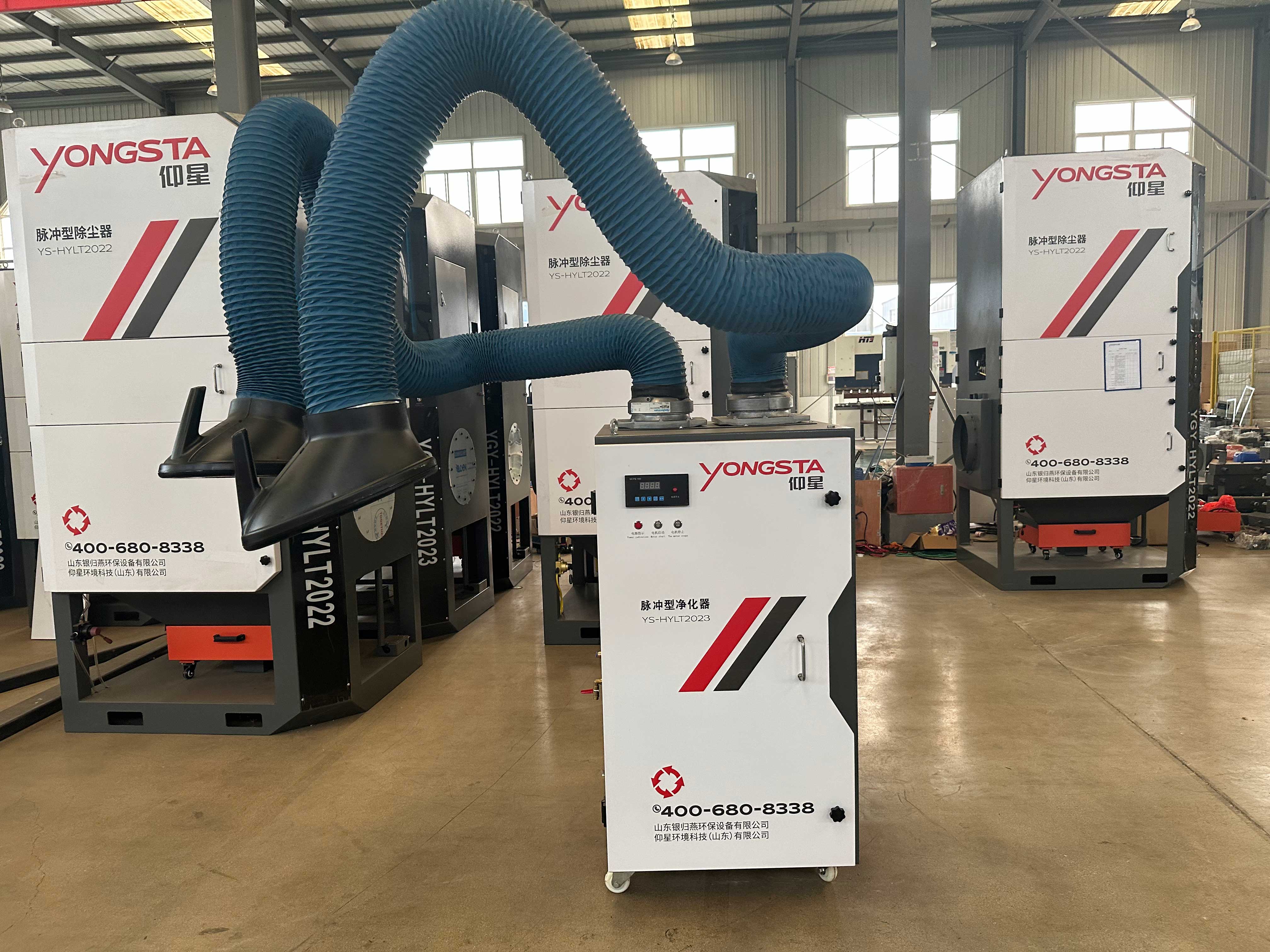
Sensitive equipment in industrial, manufacturing, and laboratory environments faces constant threats from airborne particles, dust, and contaminants that can compromise performance, reduce lifespan, and increase operational costs. A Dust Filtration System serves as a critical protective barrier, ensuring that precision machinery, electronic components, and critical infrastructure remain free from contamination. Understanding how a dust filtration system protects sensitive equipment is essential for facility managers, procurement specialists, and operators who depend on reliable machinery performance.
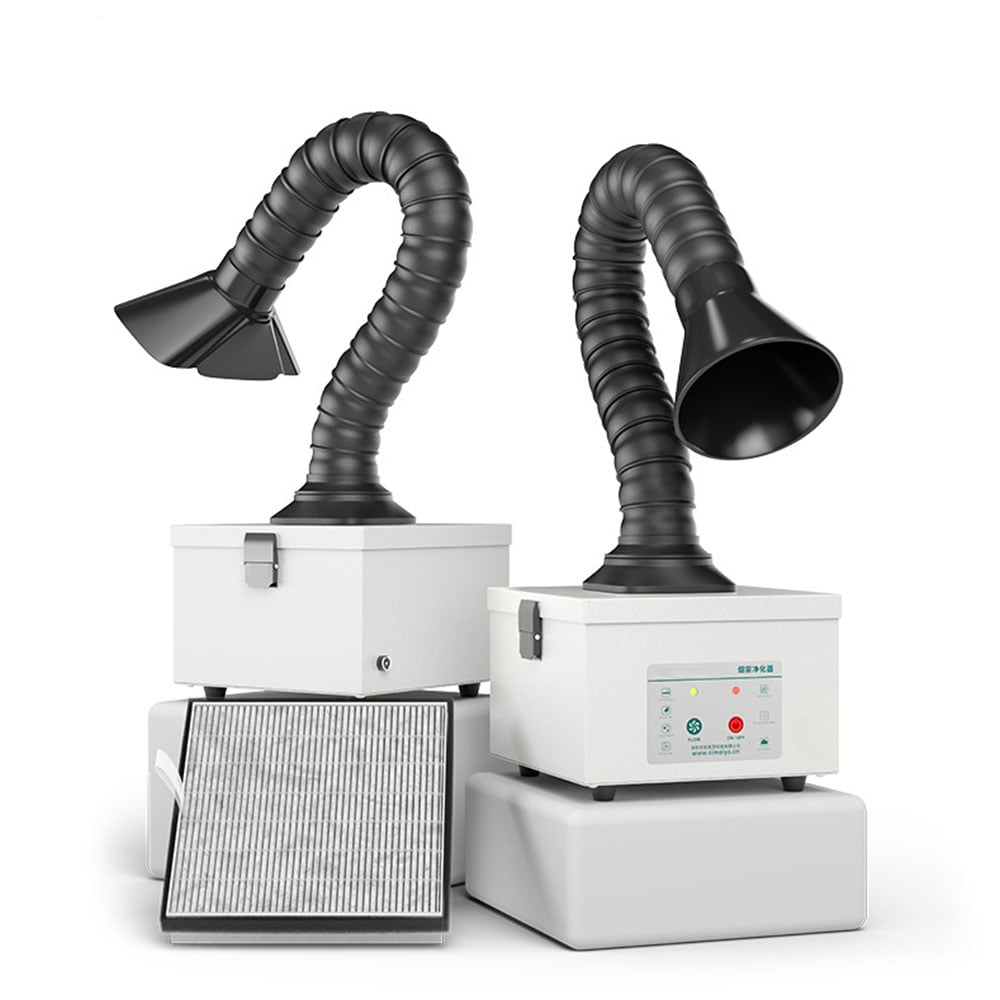
A dust filtration system operates through multiple stages of mechanical and chemical separation to remove particles before they reach sensitive equipment. Modern facilities recognize that investing in an effective dust filtration system is far more economical than managing equipment failures, replacement costs, and production downtime caused by contamination. This article explains the mechanisms, protection strategies, and practical benefits of dust filtration system implementation across industries.
How a Dust Filtration System Works
Multi-Stage Filtration Process
A dust filtration system uses sequential stages to progressively remove particles of different sizes and characteristics. The pre-filter stage captures large debris, lint, and visible contaminants before they reach more sensitive filtering media. A dust filtration system then directs airflow through intermediate filters designed to trap fine particles, dust aggregates, and micro-sized contaminants. The final stage often includes HEPA or activated carbon filtration, depending on whether the dust filtration system addresses general dust, odor, or specialized chemical particulates. This layered approach ensures that a dust filtration system achieves high efficiency without restricting airflow to equipment.
Particle Capture and Containment
When a dust filtration system is properly installed, it intercepts airborne particles through mechanical adhesion, electrostatic attraction, and media density. A dust filtration system with electrostatic pre-filters creates charged particles that stick to collecting plates, while mechanical filtration in a dust filtration system forces particles to change direction through media fibers. Once particles are trapped within a dust filtration system, they remain isolated from sensitive equipment, preventing accumulation on circuit boards, optics, bearings, and electronic controls. The effectiveness of a dust filtration system depends on proper sizing, maintenance schedules, and air velocity management to ensure complete particle capture without pressure drop that compromises airflow.
Protection Benefits for Sensitive Equipment
Extended Equipment Lifespan
Dust contamination is a leading cause of premature failure in precision machinery, and a dust filtration system directly counters this risk by maintaining clean operating environments. Equipment protected by a dust filtration system experiences reduced thermal stress, improved heat dissipation, and longer maintenance intervals because components do not accumulate abrasive particles. A dust filtration system prevents dust from settling on cooling fins, electrical connectors, and moving parts, which commonly leads to overheating and mechanical failure. Facilities deploying a dust filtration system report 30 to 50 percent improvements in mean time between failures for air-sensitive devices, translating to significant long-term savings.
Enhanced Reliability and Accuracy
Sensitive equipment such as CNC machines, analytical instruments, and semiconductor production tools require extremely clean air to maintain tolerance and repeatability. A dust filtration system eliminates the contamination that causes measurement drift, finish defects, and operational inconsistencies in precision manufacturing. When a dust filtration system maintains air quality standards, optical systems remain clear, electrical contacts stay conductive, and mechanical calibration stays stable throughout operating cycles. This protection from dust ensures that a dust filtration system enables operators to maintain the strict quality standards required by aerospace, medical, and electronics industries.
Cost Reduction and ROI
The financial impact of a dust filtration system goes beyond equipment preservation to include reduced replacement parts spending, lower maintenance labor, and minimized production interruptions. A dust filtration system prevents expensive failures that halt production lines and require emergency repairs with premium service costs. When a dust filtration system keeps equipment clean, routine maintenance becomes predictable and scheduled rather than reactive and disruptive. Organizations implementing a dust filtration system typically recover their investment within 12 to 18 months through avoided downtime and parts replacement, making dust filtration system adoption a sound capital expense decision.
Dust Filtration System Implementation and Maintenance
Sizing and Installation Considerations
Selecting the correct dust filtration system requires analysis of air volume, particle size distribution, equipment sensitivity, and facility layout. A dust filtration system must move sufficient air to maintain positive or negative pressure in the equipment space without creating pressure drops that strain HVAC systems. A dust filtration system should be positioned upstream of sensitive equipment, with ducting designed to prevent particle re-entrainment or leakage. Proper installation of a dust filtration system includes sealed connections, filter isolation frames, and bypass prevention to ensure that unfiltered air cannot reach protected equipment. Professional assessment ensures that a dust filtration system meets industry standards such as ISO 14644 cleanroom classifications or equipment manufacturer specifications.
Filter Media and Replacement Strategy
The performance of a dust filtration system depends directly on the quality and condition of filter media, which captures particles through mechanical, electrostatic, and diffusion mechanisms. A dust filtration system with higher-grade MERV or HEPA ratings removes smaller particles but requires more frequent replacement and higher pressure drop. Monitoring a dust filtration system involves tracking differential pressure across filter stages, scheduling replacements before saturation, and maintaining documentation of filter changes. A dust filtration system that receives proper maintenance delivers consistent protection, while neglected filter maintenance causes a dust filtration system to lose efficiency and potentially allow contaminants to bypass. Many facilities establish automated alerts linked to a dust filtration system pressure sensors to prevent maintenance oversights.
FAQ
What types of sensitive equipment benefit most from a dust filtration system?
A dust filtration system is essential for CNC machinery, semiconductor equipment, precision optics, medical diagnostic devices, analytical instruments, and electronic assembly stations. Any equipment with tight tolerances, high-speed bearings, cooling channels, or optical components benefits from the contamination protection that a dust filtration system provides. Data centers, clean rooms, and manufacturing facilities with dust-sensitive products all rely on a dust filtration system to maintain operational reliability and product quality.
How often should a dust filtration system be maintained?
A dust filtration system requires maintenance frequency based on environmental particle load, filter media type, and equipment manufacturer guidance. Most facilities maintain a dust filtration system on a monthly visual inspection schedule with filter replacements every 3 to 6 months in standard industrial environments, though high-contamination areas may need a dust filtration system serviced more frequently. A dust filtration system with differential pressure monitoring can trigger maintenance alerts automatically, ensuring that a dust filtration system never operates at reduced efficiency.
Can a dust filtration system work with existing HVAC infrastructure?
A dust filtration system can often integrate with existing HVAC systems through careful ductwork design and pressure balancing, though standalone mobile or point-source dust filtration system units are also available. A dust filtration system must be sized to match or supplement HVAC capacity without creating excessive pressure drop that strains the building system. Professional installation of a dust filtration system ensures compatibility, preventing conflict between the dust filtration system and existing climate control equipment.

